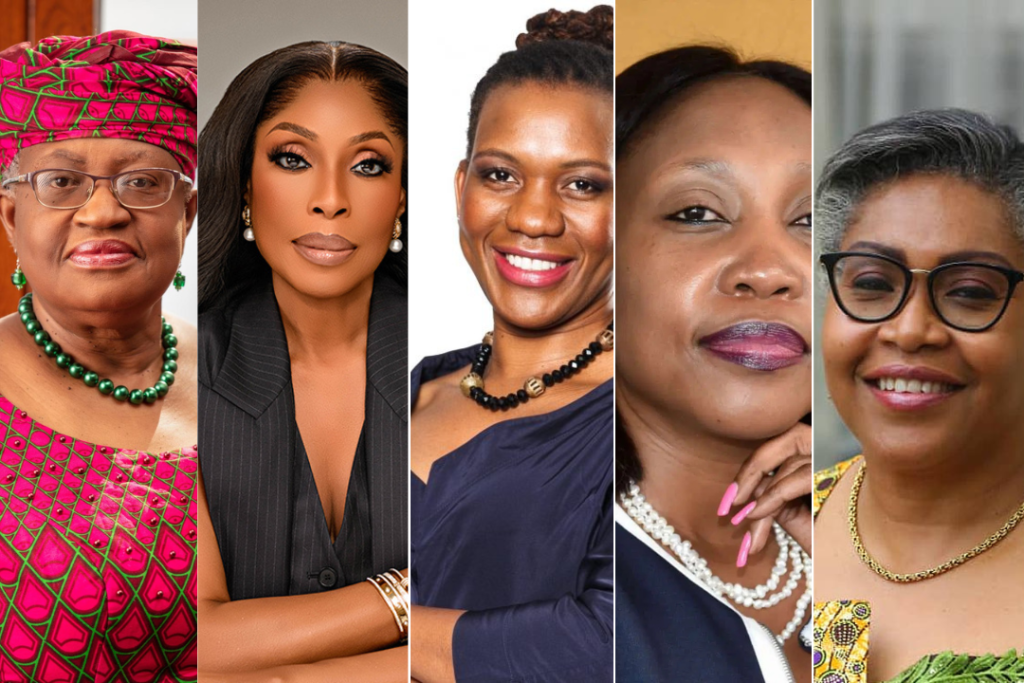
In a world where business battles rage from boardrooms to global trade floors, the most influential African women stand tall, breaking barriers and rewriting the rules. These powerhouses, Ngozi Okonjo-Iweala, Mo Abudu, Mary Vilakazi, Mpumi Madisa, and Judith Suminwa Tuluka, are not just leaders; they are the architects of Africa’s economic future, driving growth, innovation, and resilience amid tough global headwinds.
As 2026 unfolds with trade wars looming under U.S. President Donald Trump’s renewed grip and Africa’s Continental Free Trade Area (AfCFTA) gaining steam, these women are the ones steering the continent toward prosperity. Their stories inspire, from negotiating billion-dollar deals to building media empires that spotlight African talent worldwide. These most influential African women prove that vision, grit, and smarts can turn challenges into triumphs, making 2026 a pivotal year for business on the continent.
Africa’s business landscape buzzes with energy. Young startups pop up in Lagos tech hubs, South African giants expand across borders, and Congolese mines fuel global supply chains. Yet, it’s these five trailblazers who capture headlines and shape policies that ripple worldwide. They’ve climbed from humble beginnings to C-suite thrones, mentoring the next wave while juggling family, crises like pandemics, and geopolitical storms.
Why focus on them now? Because 2026 marks a turning point, AfCFTA implementation ramps up, digital economies explode, and women like these ensure Africa doesn’t just join the game but dominates it. Their influence spans trade pacts, media moguls, banking behemoths, industrial conglomerates, and economic overhauls, proving the most influential African women are key to unlocking trillions in value.
1. Ngozi Okonjo-Iweala (WTO)
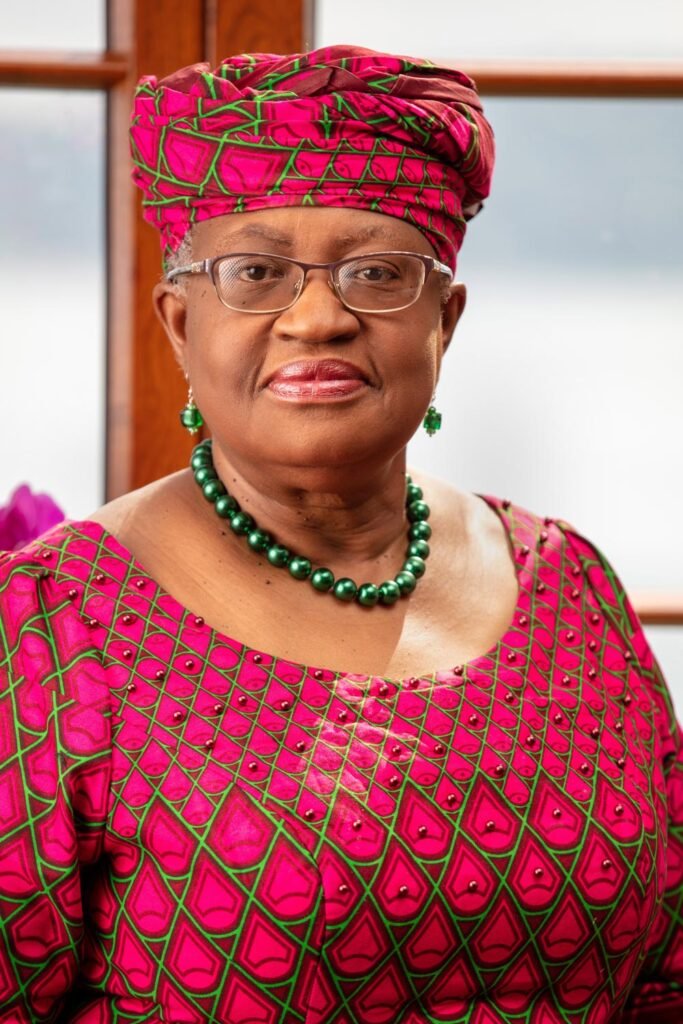
Ngozi Okonjo-Iweala, Nigeria’s global trade warrior, leads the World Trade Organization (WTO) as its Director-General, the first woman and African in that role since 2021. Re-elected unanimously in late 2024 for a second term starting September 2025, she steps into 2026 ready to tackle U.S.-China tensions under President Trump and revive stalled WTO reforms. Her first term navigated COVID chaos and Ukraine war fallout, pushing fairer rules that boosted African exports amid global snarls.africa.
Before the WTO, Okonjo-Iweala transformed Nigeria’s economy twice as Finance Minister, slashing debt and fighting corruption that drained billions. She raised $49.3 billion for the world’s poorest at the World Bank and chaired Gavi, delivering vaccines continent-wide. In 2026, expect her to champion AfCFTA’s rollout, finalizing fisheries deals and fixing the paralyzed Appellate Body to settle disputes faster. Africa’s trade could surge 50% by decade’s end, thanks to her push for inclusive growth.
Her style? Calm under fire, data-driven, always Africa-first. Colleagues praise her as a “forward-looking agenda-setter” who strengthens institutions amid crises. As WTO Chair Petter Ølberg noted, she fortified the body for members worldwide. For business leaders eyeing exports, her influence means smoother paths to markets, proving one woman’s voice can shift global commerce.
Read More: Top 5 Most Valuable African Currencies in 2026
2. Mo Abudu (Media)
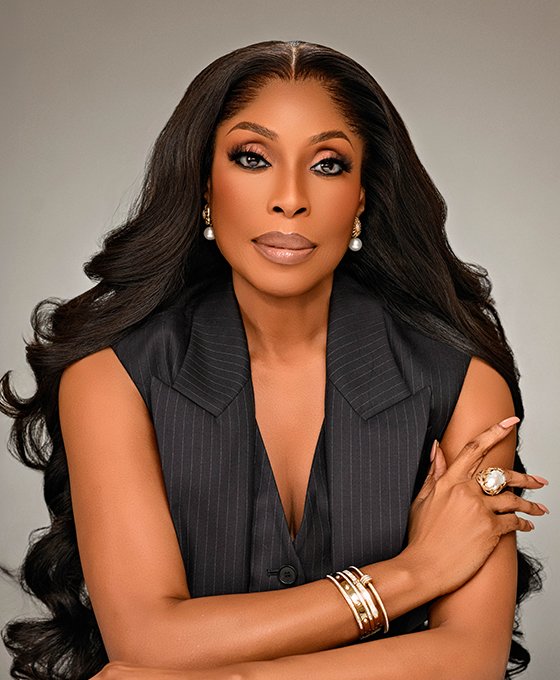
Mo Abudu, Nigeria’s media queen, rules EbonyLife Group, turning African stories into global goldmines. Named in TIME’s 2025 “100 Most Influential People,” she launches 2026 with EbonyLife Place London, a South London hub for Nigerian food, films, and culture, plus a $50 million Afro Film Fund and EbonyLife ON+ Club streaming platform. Her empire spans TV hits like “Moments with Mo,” films, and lifestyle ventures, amplifying voices from Lagos to the diaspora.
Abudu’s genius lies in monetizing creativity. “We’re training, distributing, monetizing,” she says, completing Africa’s film value chain. From her first syndicated talk show to Hollywood partnerships, she’s built a profitable ecosystem where African cinema rivals Bollywood or Nollywood dreams big. In 2026, her fund backs stories that draw investors, boosting GDP through creative jobs, Africa’s sector could hit $100 billion soon.
What captivates? Her unapologetic hustle. Over two decades, Abudu elevated “African storytelling innovation globally,” per headlines. She’s mentored stars, hosted global talks, and turned a London theater into a cultural beacon. For businesses, her model shows media as economic rocket fuel, streaming alone could employ millions. Forbes calls her a “cultural powerhouse” reshaping narratives.
3. Mary Vilakazi (Finance)
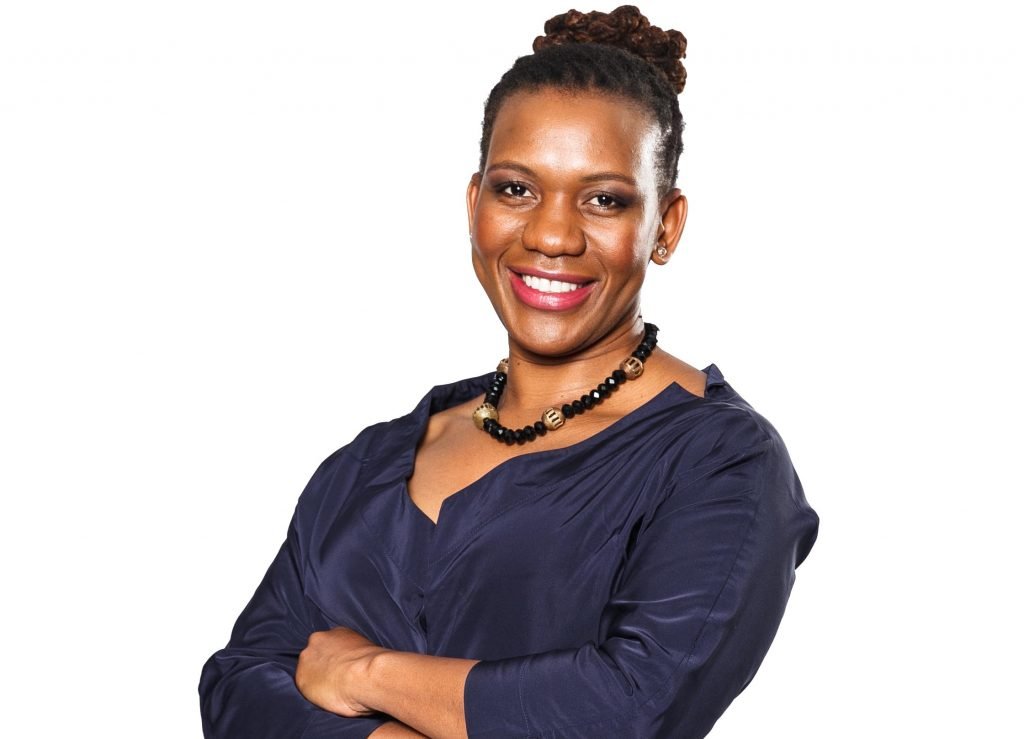
Mary Vilakazi, South Africa’s banking trailblazer, became FirstRand Group’s first female and Black CEO in April 2024, helming Africa’s largest financial firm by market cap. A chartered accountant who hit PwC partner at 27, she drives 2026 growth amid SA’s rebound, boasting booming ROE and customer surges despite fintech rivals.
Vilakazi’s path? PwC audits, Mineral Services CFO, MMI Deputy CEO, then FirstRand COO in 2018, overseeing insurance expansion and African subsidiaries. Under her, FirstRand eyes integrated services, battling UK regs while growing franchises. “Stay alert to customer needs,” she urges teams in interviews. ABSIP honored her 2024 Greg Boyd Award for equity pushes.
In 2026, she champions diversification, insurance profits, pan-African reach, as SA’s confidence rises. Forbes lists her among 2025’s powerful for historic leadership. Her edge: understanding regs, fostering inclusion. Businesses watch her for lessons in competitive evolution, proving finance queens fuel recoveries.
Read Next: Top 5 Largest African Banks by Assets in 2026
4. Mpumi Madisa (Business)
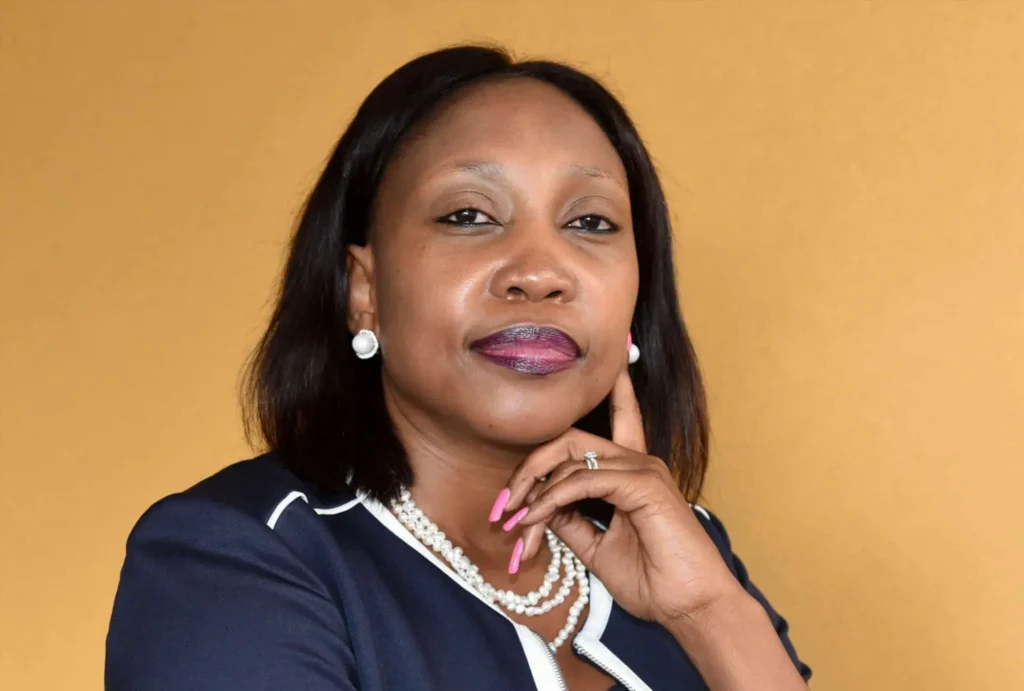
Mpumi Madisa, the powerhouse CEO of Bidvest Group since 2020, holds the distinction of being South Africa’s first Black woman to lead a JSE top-40 company, a feat that landed her on Forbes’ 2025 “100 Most Powerful Women” list and in Business Insider Africa’s top ranks. Overseeing a sprawling empire with 130,000 employees across services, freight, and facilities in 30+ countries, she posted a stellar half-year fiscal 2025 revenue jump to $3.5 billion (up 6%), even as global supply chains wobbled. Her secret? A laser focus on digital transformation, cost discipline, and “jobs, jobs, jobs,” as she often rallies her teams.
Madisa’s journey reads like a business thriller. Starting in insurance at Old Mutual, she jumped to Bidvest in 2003, climbing through client services, corporate affairs, and sales leadership before hitting the board in 2014. By 2020, amid COVID lockdowns, she took the helm, steering the group back to profitability with bold moves like divesting underperformers and ramping up tech in logistics. BLSA, where she’s been a member since 2017, celebrates her as a “Womandla” icon for mentoring young talent and pushing diverse boards, Bidvest’s demographics now reflect South Africa’s rainbow nation, per recent LinkedIn spotlights. In interviews, she shares her “warm home” philosophy: treat employees like family, and the business thrives.
Looking to 2026, Madisa’s playbook is all about sustainable expansion. Bidvest is doubling down on African freight rails and green services to tap AfCFTA, while Fortune notes her steady shareholder returns despite energy crises and port delays in SA. She’s vocal on youth skills programs, partnering with tech firms to train thousands, which directly feeds her talent pipeline. Challenges? She’s faced them head-on, gender biases early in her career, economic slumps, but her calm, strategic vibe turns skeptics into fans. For entrepreneurs, Madisa’s lesson is clear: diverse, agile leadership doesn’t just check boxes; it prints money. As she told BLSA recently, “We’re building for the long game, creating value that lasts generations.”
5. Judith Suminwa Tuluka (Politics/Economy)
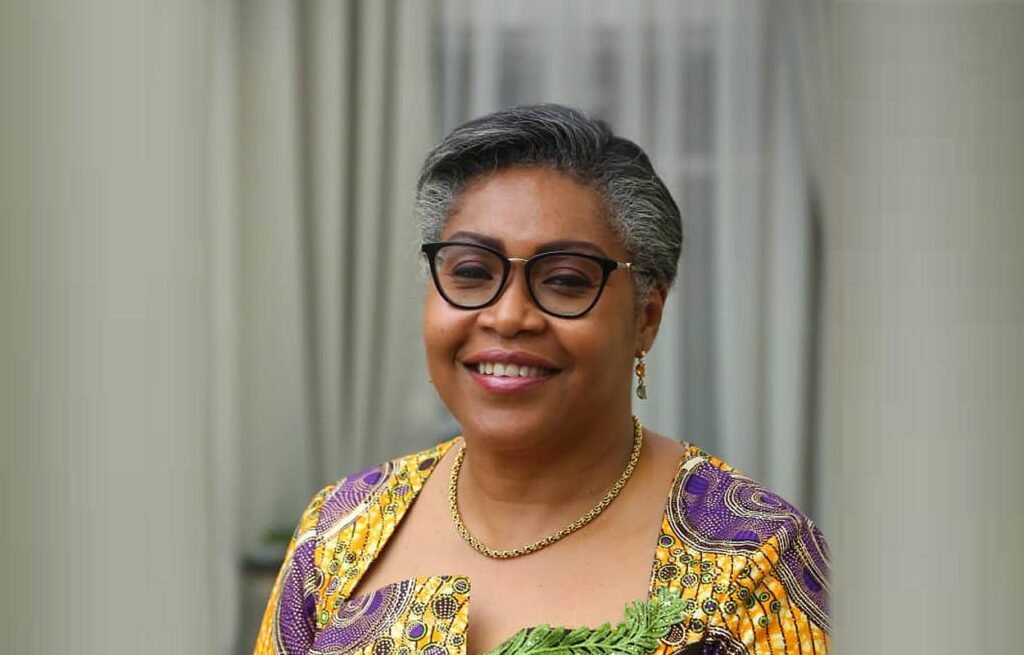
Judith Suminwa Tuluka, the Democratic Republic of Congo’s trailblazing first female Prime Minister since her June 2024 swearing-in, is redefining business in the heart of Africa’s resource riches. An economist with UNDP roots, she unveiled a massive $20.3 billion 2026 budget (up 16.4% from prior years), channeling funds into security, reconstruction, and 2.6 million new jobs, while her five-year $92.9 billion action plan eyes macroeconomic stability and mining sovereignty. Forbes and Business Insider Africa flagged her in 2025’s most powerful lists for good reason: in a nation plagued by conflict, she’s drawing FDI like a magnet.
Tuluka’s creds run deep. Before PM, she shone as Planning Minister, mastering budgets and development plans, and climbed UNDP ranks handling poverty alleviation across fragile states. Sworn in amid eastern instability, her government’s expanding Special Economic Zones (SEZs) with tax holidays for manufacturers, agro-processors, and tech parks, Kinshasa’s even launching an AI academy to skill up youth. Recent Ecofin reports highlight her push for mineral value chains: instead of raw cobalt exports, DRC under her watch processes locally, grabbing more profits from the EV boom. She’s chairing SEZ committees personally, luring investors from China to Europe with infrastructure pledges like better roads and power grids.
The budget prioritizes rebuilding the war-torn east, fighting inflation (targeted at 7.5%), and diversifying beyond mines into agribusiness and digital hubs. Challenges abound, armed groups, corruption shadows, but Tuluka’s data-savvy approach, honed at UNDP, emphasizes transparency and private partnerships. “We’re building an emerging Congo,” she declared post-budget, vowing to cut inequality and boost exports 20%. For businesses, her reforms mean easier entry: SEZs could unlock $10 billion in investments, per Xtrafrica analysis. Her story inspires, mother, economist, now nation-builder, showing politics can turbocharge commerce in tough spots.
Read Also: 5 African Countries with the Fastest-Growing Economies in 2026
Conclusion
These most influential African women, Okonjo-Iweala’s trade mastery, Abudu’s creative surge, Vilakazi’s finance prowess, Madisa’s conglomerate command, Tuluka’s economic blueprint, propel 2026 business forward. They mentor, innovate, defy odds, unlocking Africa’s potential amid global flux. Watch them turn visions into vaults of wealth.africa.
Frequently Asked Questions
Who are the top most influential African women in business for 2026?
Ngozi Okonjo-Iweala (WTO), Mo Abudu (media), Mary Vilakazi (finance), Mpumi Madisa (business), Judith Suminwa Tuluka (economy).
What has Ngozi Okonjo-Iweala achieved at WTO?
Re-elected 2024, she advances AfCFTA, reforms amid trade wars.
How is Mo Abudu expanding African media?
Via EbonyLife London hub, $50M film fund, streaming platforms.
What makes Mary Vilakazi’s FirstRand role historic?
First woman/Black CEO of SA’s biggest bank, driving growth.
Why is Judith Suminwa Tuluka key for DRC business?
$20.3B 2026 budget, SEZs for jobs, mining FDI.