

African tech entrepreneurs are on fire right now, flipping the script on a continent long dismissed as tech’s backbench. These trailblazers, hailing from bustling Lagos streets to Nairobi’s innovation hubs, are crafting billion-dollar solutions that fix Africa’s headaches while grabbing global eyeballs.
Imagine a scheduling app born from email ping-pong hell that now runs meetings for Fortune 500 giants, or a payments powerhouse turning cross-border cash transfers from a nightmare into a breeze. We’re talking unicorns, massive funding rounds, and real-world wins that scream: Africa’s not waiting for permission to dominate.
Why does this matter? Africa’s got 1.4 billion people, the world’s youngest population, and smartphone penetration exploding past 50%, prime ground for disruption. Yet challenges like shaky infrastructure, talent flight, and financial exclusion have held it back. These African tech entrepreneurs are wielding code, grit, and local know-how to smash those walls. In 2025 alone, African startups snagged over $5 billion in VC, double last year’s haul, fueled by fintech, edtech, and insurtech stars proving the ROI on African ingenuity.
1. Tope Awotona and Calendly

Tope Awotona grew up in Lagos, Nigeria, watching his dad chase entrepreneurial dreams until a tragic carjacking cut it short. That loss fueled him, he moved to the US in 2005, studied management information systems at the University of Georgia, and hustled through sales jobs, frustrated by endless email chains just to book meetings. In 2013, he poured his life savings, about $200,000, into fixing that pain, launching Calendly, a simple scheduling tool that lets anyone share a link for others to pick times without back-and-forth.
Calendly exploded. By 2023, it hit $276 million in revenue, employed 653 people in Atlanta, and served over 20 million users in 230 countries, competing with giants like Google and Microsoft. A $350 million funding round in 2021 pushed its valuation past $3 billion, making Awotona one of the few Black unicorn founders and landing him on Forbes’ Billionaires cover in 2022. He’s given back too, donating over $100,000 to Black Girls Code and My Brother’s Keeper, plus helping evacuate Ukraine staff during the war. Today, Calendly powers virtual meetings worldwide, a true symbol of African grit turning everyday annoyances into gold.
Read More: Top 5 Most Influential African Women Shaping Business in 2026
2. Olugbenga Agboola and Flutterwave

Olugbenga “GB” Agboola, born in Lagos in 1985, didn’t start in tech glamour, he built payment systems for banks like Royal Bank of Scotland, Google, and PayPal, spotting Africa’s fragmented mess where sending money across borders felt impossible. In 2016, he teamed with Iyinoluwa Aboyeji to launch Flutterwave, a one-stop platform letting businesses accept payments seamlessly, no matter the country or method.nairametrics+2
Flutterwave became Africa’s payments king fast. It hit unicorn status in 2022 with a $170 million Series C led by Tiger Global, valuing it over $1 billion, and now processes billions for 290,000+ merchants across 33+ countries. Agboola raised $35 million in 2020 for expansion and more recently focused on profitability, launching apps like Flutterwave Mobile for e-commerce. His stacked creds, a master’s from MIT Sloan, Westminster, and EC-Council, helped, but it’s his vision that shines, earning spots on Quartz Africa’s Innovators list and Endeavor panels. Now a billionaire with a $7.1 million Miami pad, GB’s Flutterwave connects African hustlers to global cash flow like never before.
3. Iyinoluwa Aboyeji’s Tech Empire
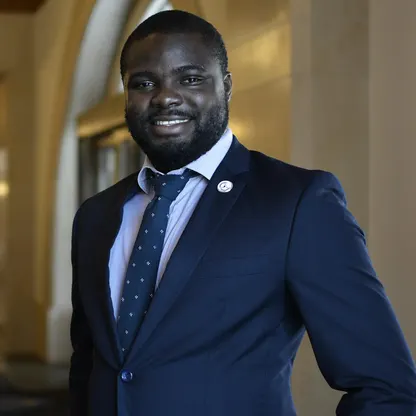
Iyinoluwa Aboyeji, Nigeria’s serial startup star, co-founded Andela in 2014 to train African coders for global jobs, landing investments from Mark Zuckerberg and growing it into a unicorn training 100,000+ devs. He jumped to Flutterwave in 2016 with Agboola, building its payments backbone before stepping back to empower others. Now, as CEO of Future Africa, Africa’s biggest seed investor, he’s poured millions into 100+ startups, earning the Officer of the Order of the Niger (OON) as Nigeria’s youngest national honoree.
Aboyeji’s playbook? Spot talent gaps, fill them with tech. Andela placed devs worldwide; Flutterwave unicorn-ed payments; Future Africa coaches mission-driven founders. He advised Nigeria’s Presidential Council on Industrial Policy, ran campaigns, and topped New African’s 100 Most Influential lists. At 30-something, his shifts from builder to backer show maturity, Future Africa’s early bets are revolutionizing sectors from health to climate across the continent.
Read Next: Top 5 Most Valuable African Currencies in 2026
4. Jihan Abass and Lami Insurance

In Kenya, where insurance penetration hovers at 2.83%, way below South Africa’s 13.4%, Jihan Abass saw millions unprotected from life’s curveballs like accidents or floods. She founded Lami Technologies in 2019, an insurtech platform letting partners embed quick digital policies for vehicles, health, even phones, targeting underserved folks via APIs.
Lami’s traction is real: $1.8 million seed in 2021 from Accion Venture Lab for tech upgrades and Africa push, then $3.7 million extension in 2022 led by Harlem Capital, expanding to Egypt and Nigeria. Abass plans more products, underwriter ties, and hires to boost resilience for low-income users, often insuring them for the first time. Her vision? Serve the whole ecosystem, making insurance efficient and embedded in apps like ride-hailing. With fresh 2025 funding buzz for wider rollout, Lami’s proving tech can democratize protection where tradition fell short.
5. Sim Shagaya and uLesson
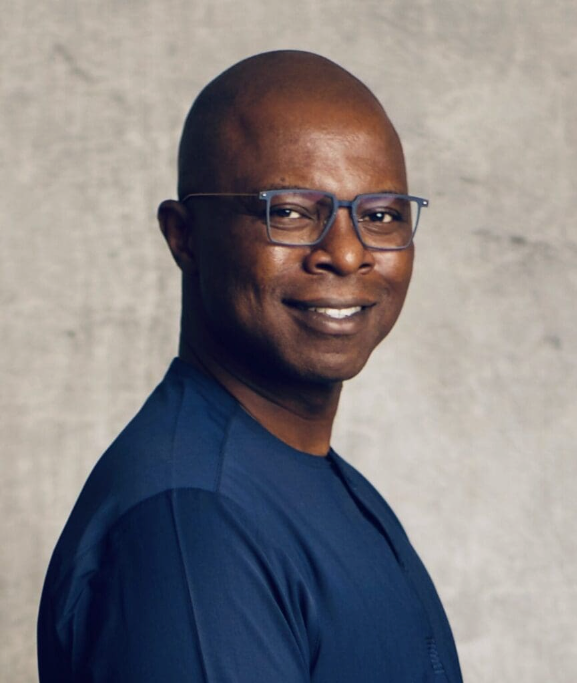
Sim Shagaya, Nigeria’s tech vet, cut teeth at Google before founding Konga in 2012, Africa’s early e-commerce giant that raised $70 million despite skeptics. After stepping down in 2016, he eyed education’s crisis, Nigeria’s exploding student numbers outpacing quality teaching, and launched uLesson in 2019.
uLesson blends online videos with offline access, gamified lessons aligned to West African curricula for secondary kids in Nigeria, Ghana, and more, undercutting pricey tutors at $80/year. It snagged a $3.1 million seed from TLcom, built vast libraries, and beta-tested amid spotty networks, pre-recorded content rules Africa, Shagaya says. TIME named it a Top EdTech Rising Star in 2025; now pan-African, it’s shifting mindsets, opening eyes to new paths via media-tech fusion. Shagaya’s pivot from shopping carts to classrooms shows his knack for massive gaps.
Read Also: Top 5 African Luxury Brands Gaining Global Recognition in 2026
Conclusion
These five African tech entrepreneurs, Tope Awotona, Olugbenga Agboola, Iyinoluwa Aboyeji, Jihan Abass, and Sim Shagaya, aren’t just building companies; they’re dismantling barriers and rewriting Africa’s story on the world stage. From Calendly’s billion-dollar scheduling magic that powers global teams, to Flutterwave’s payment highways linking hustlers across borders, each one’s hustle tackles pains we’ve lived with too long: clunky meetings, cash flow nightmares, talent drains, insurance blind spots, and crumbling classrooms.
What ties them? Raw grit born from Lagos streets, Nairobi markets, and beyond, turning “no” into “not yet.” They’ve raised hundreds of millions, created thousands of jobs, and served millions of users, proving African tech entrepreneurs can unicorn-up with the best in Silicon Valley. But it’s bigger than valuations. Awotona’s giving back to Black coders, Aboyeji’s fueling the next wave via Future Africa, Shagaya’s unlocking minds in underfunded schools, the ripple effects hit families, economies, and futures.
Africa’s tech boom is here, fueled by youth, mobile money, and unshakeable belief. These pioneers show anyone with a laptop and a problem can spark change. As investments pour in and copycats rise, expect more fireworks: cheaper fintech for farmers, AI tutors for villages, insurtech for gig workers. The continent’s not catching up, it’s leading the charge. Dreamers, take notes; the blueprint’s right here.
Frequently Asked Questions
Who is the richest among these entrepreneurs?
Tope Awotona leads with Calendly’s $3 billion valuation and Forbes billionaire status, followed by Flutterwave’s Agboola as a tech billionaire.
What challenges did they face starting out?
Awotona bootstrapped with life savings after failed ventures; Agboola tackled Africa’s payment chaos post-bank gigs; others bootstrapped amid low VC for Africans.
Are their companies profitable now?
Flutterwave eyes profitability per Agboola; Calendly doubled revenue to $100M+ in 2021; others focus growth with recent funds.
What’s next for African tech from these founders?
Expansion: Lami to more markets/products, uLesson pan-Africa, Future Africa more investments, revolutionizing insurance, education, payments.