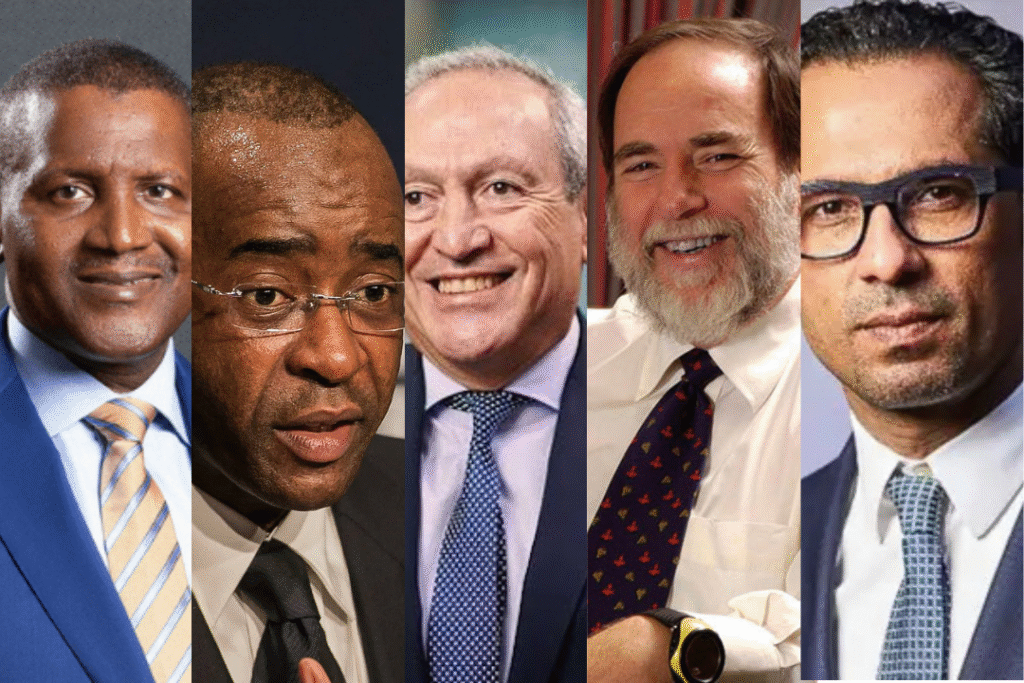
Africa’s business scene is buzzing in 2025, and we will experience the same in 2026. Every year, there are lists of who’s shaping the global economy, but honestly, things in Africa look different now. The African business leaders aren’t just running big companies; they’re changing the way technology, money, and resources move everywhere.
Their choices ripple through markets, boardrooms, and even into people’s homes.
What’s really striking this year is just how far their reach goes. Some are leading the way in artificial intelligence, others in energy, finance, or building out digital infrastructure. Still, they’ve all figured out how to stay ahead while everything around them shifts faster than ever.
There’s no ranking here. Instead, this list shines a light on the people who are defining progress, innovation, and power across Africa right now.
So, in this article, we will take a look at some of the most influential figures in African business today.
Table of contents
Why African Business Leadership Matters More Than Ever
Africa has the youngest population in the world. Millions of people are entering the job market every year. Governments alone can’t carry that weight. Business has to step up. Not the kind that extracts value and disappears. The kind that builds factories, trains people, pays taxes, and stays for the long haul.
Strong African business leaders change lives effectively and efficiently. They create jobs that place food on tables.
They put money into schools and hospitals, they invest in infrastructural projects that reduce living standards, and basically, they show that African companies can effectively compete at the international level without losing their original essence.
Now, let’s talk about the individuals actually doing this work.
The Top 5 Most Influential African Business Leaders
1. Aliko Dangote
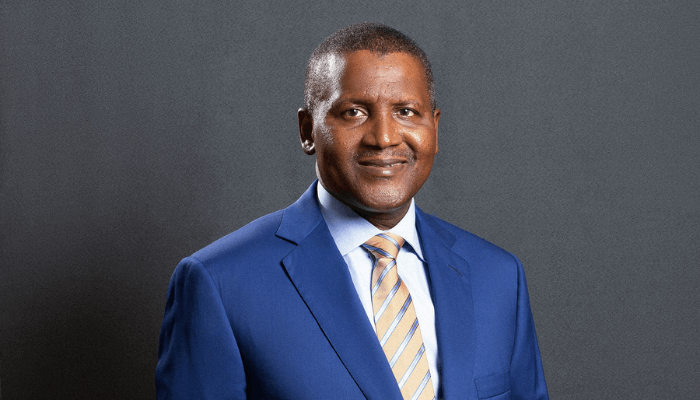
Aliko Dangote remains a defining force in African business. The Nigerian entrepreneur, who chairs the Dangote Group, has built a diversified industrial empire spanning cement, sugar, salt, fertiliser, and oil refining – making it West Africa’s largest conglomerate.
Standing at the core of his achievements is the $20 billion Dangote Petroleum Refinery near Lagos, the largest single-train refinery in the world, with a capacity to process 650,000 barrels of crude oil per day.
From the first day it went into operation in early 2024, it has been hailed as a milestone for Nigeria’s quest for fuel self-sufficiency and a major stride toward regional energy independence.
Beyond oil, Dangote’s businesses continue to drive the wheel of industrial growth across Africa, from a leading infrastructure footprint by Dangote Cement, through Dangote Sugar Refinery and NASCON Allied Industries, to the Dangote Fertiliser Plant that underpins agricultural productivity across the continent. As of October 2025, Dangote is estimated to have a net worth of $24.9 billion.
2. Strive Masiyiwa
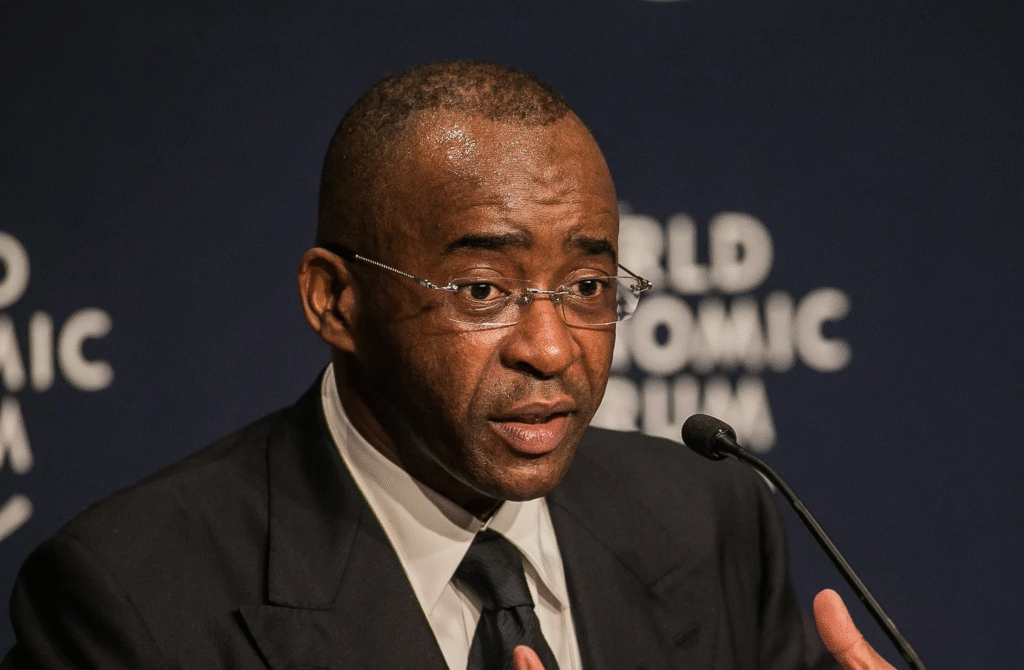
Strive Masiyiwa, the first billionaire from Zimbabwe, is one of the most influential technology and telecom pioneers in Africa, with an estimated net worth of US$1.3 billion. After years of resistance from the government, he founded Econet Wireless Zimbabwe in 1998, sparking the mobile revolution in Africa.
Today, he owns 38% of Econet Wireless Zimbabwe and 33% of EcoCash, one of the leading mobile money firms, under his broader Econet Group.
He also has a big stake in Liquid Intelligent Technologies, a private firm offering fibre optic and cloud services across the continent. In 2025, his technology firm, Cassava Technologies, partnered with Nvidia to build Africa’s first AI factory in South Africa, a landmark for the region’s digital future.
Along with his wife, Tsitsi, he runs the Higherlife Foundation, funding education for thousands across Africa. Masiyiwa has also served on global boards including Netflix, Unilever, and the Gates Foundation.
3. Nicky Oppenheimer

Nicky Oppenheimer is one of South Africa’s richest men; his net worth stands at an estimated $10.5 billion. The former chairman of De Beers, the world’s top diamond company, is a third-generation heir of the Oppenheimer dynasty that ushered the firm into a new era of transparency via the Kimberley Process, which certifies conflict-free diamonds.
In 2012, his family sold its 40% stake in De Beers to Anglo American for $5.1 billion, bringing an end to more than 80 years of family control.
Today, Oppenheimer invests across Africa through Stockdale Street and Tana Africa Capital, focusing on agriculture, consumer goods, and renewable energy. A passionate conservationist, he co-owns Tswalu Kalahari, one of South Africa’s largest private game reserves, and helped create the Diamond Route.
He also founded the Brenthurst Foundation, which works for African development, and donated $110 million for South African small businesses during the pandemic. In 2014, he launched Fireblade Aviation, a Johannesburg-based luxury charter service.
4. Nassef Sawiris
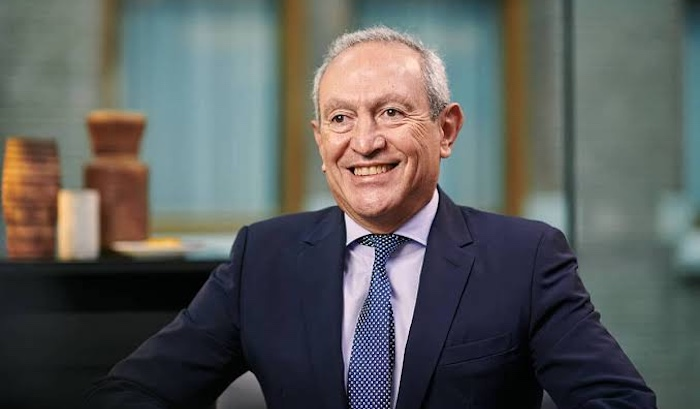
Egypt’s wealthiest businessman, Nassef Sawiris, whose estimated net worth is $8.9 billion, is one of the most influential industrialists in Africa. Born into the wealthy Sawiris family, the business icon boasts an international portfolio spanning everything from construction to chemicals, sports, and even finance.
As Executive Chairman of OCI Global, Sawiris oversees one of the world’s largest nitrogen fertiliser producers, with plants in Texas and Iowa and shares listed on Euronext Amsterdam.
He heads Orascom Construction, a major engineering and infrastructure company publicly traded on the Cairo Exchange and Nasdaq Dubai. Outside of business, Sawiris is one of the most significant investors in sports. He co-owns V Sports with American billionaire Wes Edens. It controls Aston Villa F.C. in England and Vitória S.C. in Portugal.
He also holds a 5% stake in Madison Square Garden Sports and nearly 6% in Adidas, in addition to an investment in Arkema SA. Through the Sawiris Foundation for Social Development, he funds education, healthcare, and empowerment initiatives across Egypt.
5. Mohammed Dewji
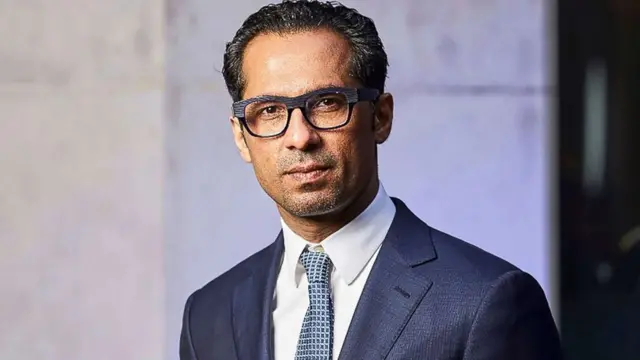
Mohammed Dewji is Tanzania’s only dollar billionaire, with an estimated net worth of $2.2 billion, and one of East Africa’s most influential business leaders. He was chief executive of MeTL Group, where he transformed his family’s small trading company into a diversified conglomerate operating across textiles, food processing, agriculture, energy, and manufacturing in eight African countries, including Uganda, Kenya, and Ethiopia.
During his leadership, the revenues of MeTL grew from $30 million in 1999 to over $2 billion by 2022, employing over 34,000 people and contributing approximately 3.3% of Tanzania’s GDP. The immense operations of the group, from edible oils and beverages through to logistics and petroleum, make it one of the largest private enterprises in Africa.
Apart from his business dealings, Dewji is a dedicated philanthropist. He funds education, healthcare, and clean water projects around the country via the Mo Dewji Foundation.
Lessons Young Africans Can Learn from Them
Of course, getting to work with such leaders as Aliko Dangote, Strive Masiyiwa, Nicky Oppenheimer, Nassef Sawiris, and Mohammed Dewji, one thing comes across loud and clear pretty fast: true influence is something that has been built over time, purposefully, and conscientiously.
Big impact requires patience
None of these leaders chased quick wins: Dangote’s refinery took years of planning, delays, and pressure before it became operational. Masiyiwa spent years fighting resistance before Econet succeeded. Dewji grew MeTL over decades, not seasons. Oppenheimer and Sawiris both built and repositioned massive portfolios with a long-term focus.
Patience, here, wasn’t waiting; it was consistent work during the quiet years when progress looked invisible. For young Africans, this matters: slow growth doesn’t mean you’re off track; more often than not, it means you’re building something strong enough to last.
Scale thinking is what separates hustle from legacy.
These are leaders who do not just run businesses but build systems.
Dangote focused on industrial ecosystems, not single products. Masiyiwa treated connectivity as infrastructure, not a service. Dewji built integrated manufacturing chains across countries. Sawiris invested in industries that support food security, construction, and global supply.
Yes, small businesses matter, but systems change economies. Start where you are, but don’t cap your thinking at survival. Structure leads to long-term impact, not just effort.
Purpose keeps momentum going
Not money, but purpose, gets leaders through setbacks.
Each of these leaders connects profit with the solution of very real problems: energy independence, digital access, job creation, sustainable investment, and leadership accountability.
That sense of mission steadies decision-making when pressure rises. For young Africans facing burnout, this lesson is important. When your work solves a problem you understand personally, resilience comes naturally.
Context outperforms copy-and-paste models.
None of these leaders blindly copied foreign business models; they adapted global ideas to African realities.
Power constraints. Price sensitivity. Infrastructure deficits. Policy intricacy. They designed with them in mind, not around them.
The local understanding is not a weakness. It’s an advantage. People who master their surroundings create businesses that stand the test of time.
The Ripple Effect on Africa’s Future
Their impact stretches far beyond their companies. They have normalized African-scale ambition: a $20 billion refinery, pan-continent telecom networks, and AI infrastructure built on African soil. It’s a new set of examples that reset what feels possible.
They have attracted global capital to African industries by showing that world-class businesses can be built here. Investment follows credibility. They drive policy through scale, forcing governments to update systems due to necessity, not noise.
Most important of all, they expanded access: to jobs, to connectivity, to manufacturing, and to financial services. In very basic, everyday ways, life has improved for millions due to decisions made years ago.
Success rooted in Africa makes ambition different. Staying can feel viable; building locally can feel powerful.
That mindset shift may be the most important ripple of all.
Final thoughts
The five most influential African business leaders who are shaping the future of Africa didn’t follow any script but rather wrote one. They took risks, remained committed, and built where it mattered most.
And their stories sound familiar, because it is the day-in, day-out African hustle. Limited means. Big dreams. Strong faith in tomorrow.
Factories, networks, investments, and ethical leadership will shape the future of Africa: speeches alone won’t. These leaders recognized that long ago. And that’s why their influence just continues to grow.
Frequently Asked Questions
Yes, it is, provided one has the right mindset for patience and understanding of local problems that need to be solved.
It keeps value within the continent and empowers communities economically.
More innovative, regionally stronger in collaboration, globally more relevant, with a deeper focus on sustainable impact.