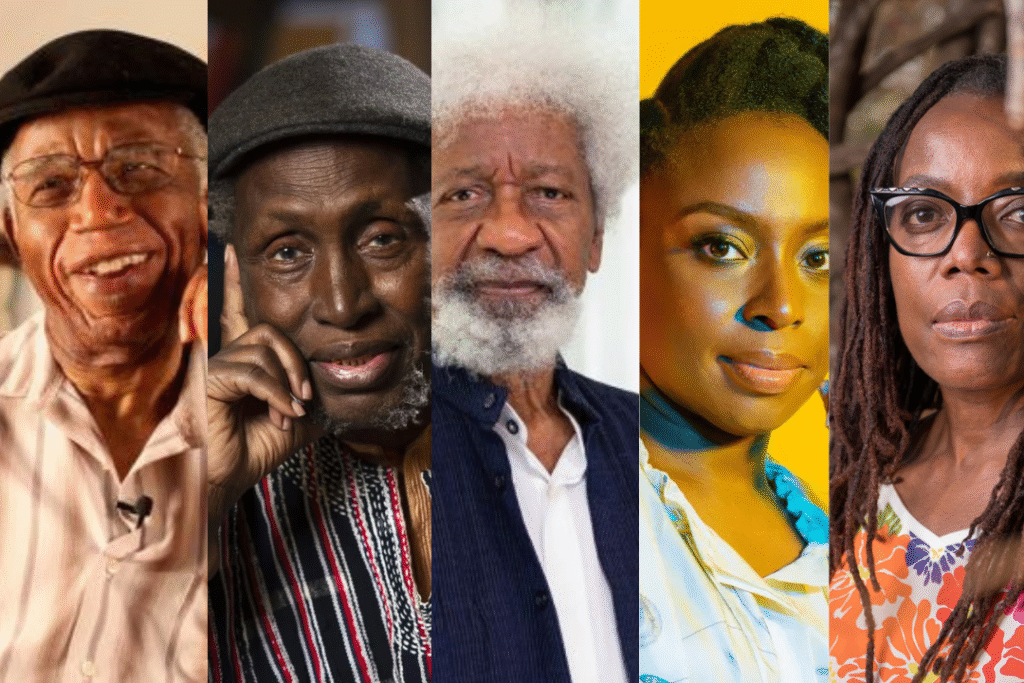
When you think of the most famous African authors lighting up bookshelves around the world, names like Chinua Achebe, Ngũgĩ wa Thiong’o, Wole Soyinka, Chimamanda Ngozi Adichie, and Tsitsi Dangarembga jump right out. These giants aren’t just writing stories from the continent, they’re flipping the script on how the world sees Africa, mixing old traditions with tough truths about colonialism, power, identity, and hope.
Their books sell millions, get translated into dozens of languages, and spark debates in classrooms from Lagos to London, proving African voices can dominate global literature. Imagine a world where Africa’s tales weren’t told by outsiders with stereotypes, but by insiders who know the proverbs, the pain, and the pride, these authors made that happen.
What makes them stand out? They’ve won Nobel Prizes, influenced generations, and even pushed for writing in African languages over English to reclaim cultural roots. Chinua Achebe kicked off modern African lit with a bang, while folks like Adichie keep it fresh with stories that hit Netflix and TED Talks.
They’re shaping global literature by challenging Western biases, celebrating women’s voices, and tackling corruption head-on, all while inspiring new writers from Nairobi to New York. This isn’t dusty history; these most famous African authors are still relevant in 2025, with new books, activism, and awards keeping their fire alive. Dive in, and you’ll see why their words aren’t just read, they change minds and move mountains.
1. Chinua Achebe (Nigeria)
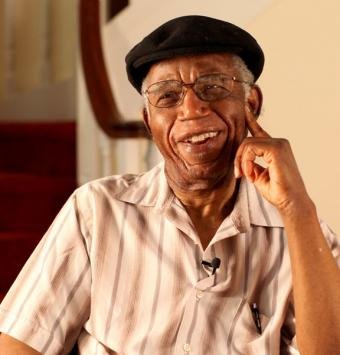
Chinua Achebe, born in 1930 in Ogidi, Nigeria, grew up straddling Igbo traditions and Christian teachings from his parents, which fueled his lifelong clash with colonial stories. His breakout hit, “Things Fall Apart” in 1958, smashed the idea of Africa as a blank slate by showing a rich Igbo village crumbling under British rule, it’s sold over 20 million copies, translated into 50+ languages, and tops school lists worldwide. Achebe didn’t stop there; his “African Trilogy” (No Longer at Ease, Arrow of God) dug into corruption and culture clashes, earning him the “father of modern African literature” tag he humbly dodged.
Achebe’s global punch? He called out racists like Joseph Conrad in his fiery 1975 lecture “An Image of Africa,” sparking postcolonial studies and forcing lit critics to rethink “savage” tropes. During Nigeria’s Civil War, he championed Biafra as an ambassador, writing poems like “Refugee Mother and Child” that captured hunger and loss. Even after a 1990 accident left him paralyzed, he taught at Bard and Brown Universities, mentoring writers till his 2013 death. Today, his influence echoes in 2025 anthologies like Ben Okri’s “African Stories”, and festivals like the Chinua Achebe Literary Festival keep his proverbs alive. Achebe shaped global lit by giving Africa a voice that demands respect, not pity.
Read More: Top 5 African Companies Revolutionizing Agriculture in 2026
2. Ngũgĩ wa Thiong’o (Kenya)
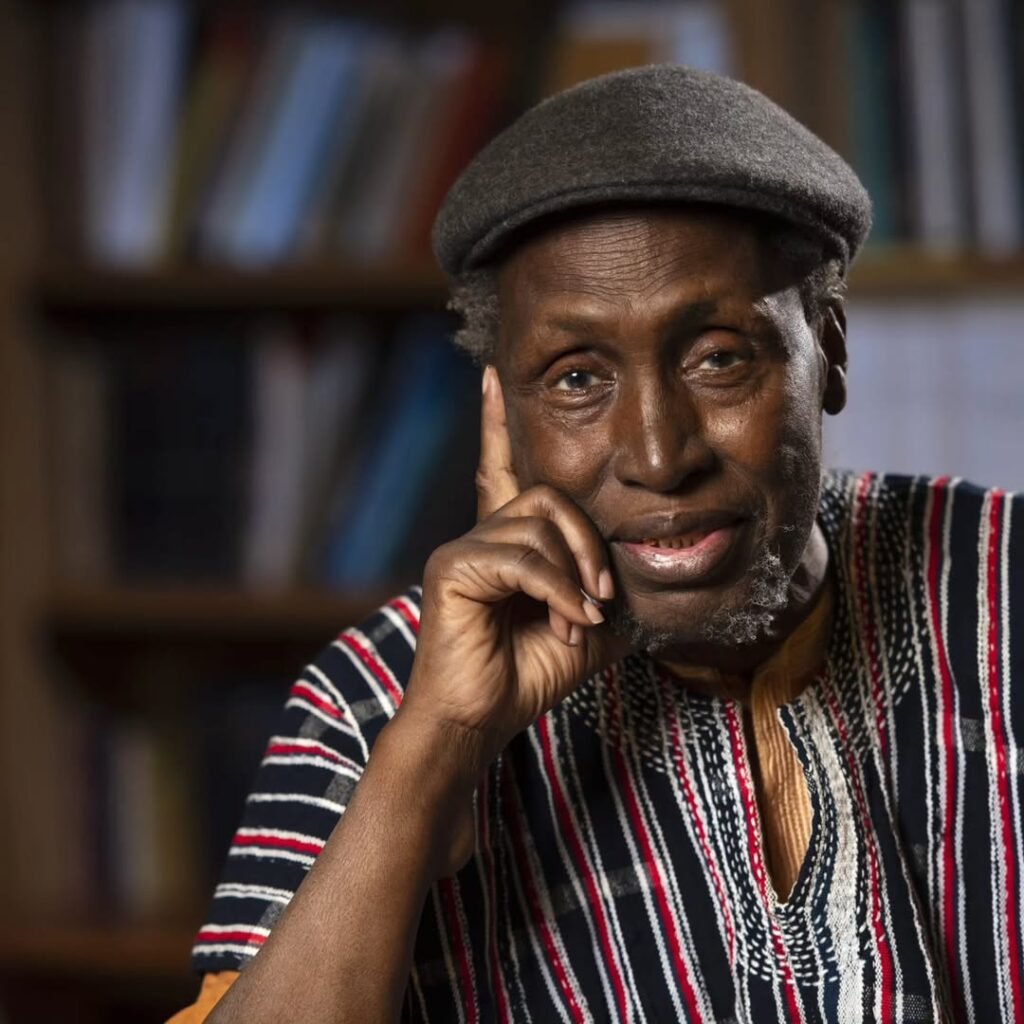
Ngũgĩ wa Thiong’o, born James Ngugi in 1938 near Limuru, Kenya, survived the Mau Mau Uprising, his village razed, mom tortured, brother killed, which scarred his early novels like “Weep Not, Child” (1964), the first East African English novel. He ditched his colonial name in the ’70s, switched to Gikuyu, and wrote the prison masterpiece “Devil on the Cross” on toilet paper after being jailed for his play “I Will Marry When I Want”. Hits like “Petals of Blood” and “Wizard of the Crow” roast corruption, while memoirs (Dreams in a Time of War, Wrestling with the Devil) bare his soul.
Exiled after prison, Ngũgĩ taught at Yale, NYU, and UCI, pushing “decolonizing the mind” in his 1986 essay bible, arguing African languages resurrect memory against imperial English. His 2020 epic “The Perfect Nine” (Gikuyu original shortlisted for International Booker) reimagines Kikuyu myths with feminist flair. Till his May 2025 death at 87, he dropped “Decolonizing Language” (2025), slamming mental colonization. Awards piled up: Nonino, Park Kyong-ni, PEN/Nabokov. Globally, his push for native tongues inspires lit shifts, making African stories authentic and universal.
3. Wole Soyinka (Nigeria)
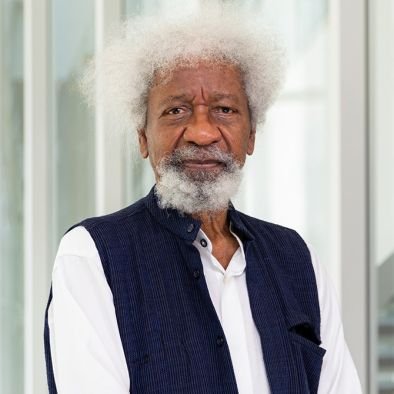
Wole Soyinka, born 1934 in Abeokuta, Nigeria, blends Yoruba myths with sharp satire, first Black African Nobel winner in 1986 for “poetically intensified diction” on power’s evils. Plays like “Death and the King’s Horseman” and “The Lion and the Jewel” mix tragedy and comedy, while novels (Season of Anomy) and poems jail-scribbled on toilet paper during ’69 solitary for anti-war smuggling blast dictators. He shredded his US green card post-Trump 2016, and in 2025, at 91, shrugged off a US visa yank by joking about a Trump play.
Soyinka’s activism? Drove for Biafra aid, protested apartheid (dedicating Nobel to Mandela), taught at Harvard/Yale/Emory. His broad canon, over 30 works, fuses European and Yoruba worlds, influencing global theater. In 2025 news, he’s still voicing against censorship, calling writing “terror to suppressors.” Shaping lit? He proved African drama rivals Shakespeare, sparking worldwide studies on satire and resistance.
4. Chimamanda Ngozi Adichie (Nigeria)
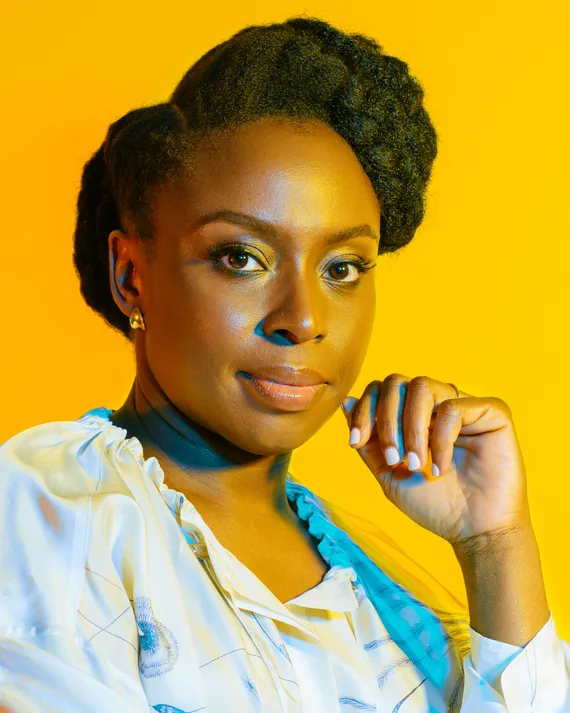
Chimamanda Ngozi Adichie, born 1977 in Enugu, Nigeria, exploded with “Purple Hibiscus” (2003) on family tyranny amid Biafra scars, then “Half of a Yellow Sun” (2006) humanizing war’s civilians. “Americanah” (2013) nailed race, love, and hair politics across US-Nigeria; her TED “Single Story” has 30M+ views, warning against stereotypes. Essays like “We Should All Be Feminists” (Beyoncé-sampled) made her a global feminist icon.
2025 brought “Dream Count”, her first novel in 12 years, four African women’s messy dreams, drugs in Abuja, earning Esquire’s “Best So Far” nod. She curates anthologies, speaks worldwide, blending Igbo roots with sharp wit. Influence? Her authentic voices diversify bookshelves, boost African women in lit, and hit pop culture hard.
Read Next: The Rapid Growth of Africa’s Tech Ecosystem in 2026
5. Tsitsi Dangarembga (Zimbabwe)
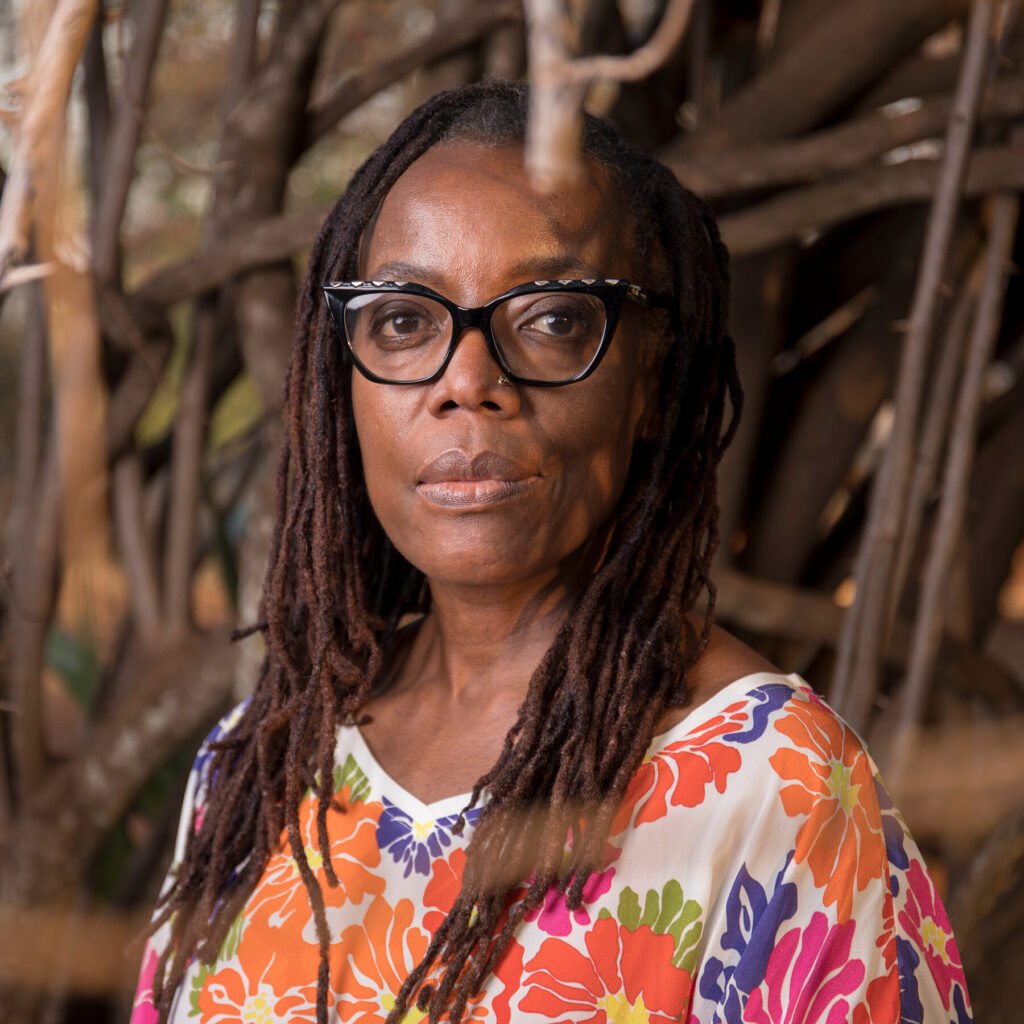
Tsitsi Dangarembga, born 1959 in Zimbabwe (then Rhodesia), shattered ceilings as the first Black Zimbabwean woman with an English novel, “Nervous Conditions” (1988), Commonwealth Prize winner probing colonialism’s mental toll on women. Her trilogy (The Book of Not, This Mournable Body) maps post-independence despair. She directed the AIDS film “Everyone’s Child” (1996), her script calling out crises.
Activist to the core, 2020 arrests protesting corruption landed her global spotlight; 2024 Spendlove Prize for art-justice fusion. Studies psych in Zimbabwe, film in Berlin; now crafts fiction/non-fiction via ICAPA. Shaping lit? Her feminist lens exposes patriarchy’s “nervous conditions,” amplifying Southern African women’s roars worldwide.
How Are These Famous Authors Shaping Global Literature?
These most famous African authors are fundamentally reshaping global literature by decolonizing narratives and injecting Africa’s raw, multifaceted truths into the world’s storytelling bloodstream. Chinua Achebe humanized pre-colonial Africa in “Things Fall Apart”, dismantling the savage stereotypes peddled by colonial writers and giving readers a window into the Igbo world’s proverbs, rituals, and resilience before the white man’s arrival shattered it all. Ngũgĩ wa Thiong’o took it further by championing mother tongues like Gikuyu, arguing in his manifesto “Decolonising the Mind” that English is a thief of cultural memory, he wrote epics like “Wizard of the Crow” on prison toilet paper, proving African languages can weave satire and magic as potent as any European classic. Wole Soyinka satirized power universally through Yoruba-infused plays like “Death and the King’s Horseman”, blending tragedy with biting humor to expose dictators from colonial governors to modern tyrants, earning him that groundbreaking 1986 Nobel and influencing theaters from Lagos to London.
Meanwhile, Chimamanda Ngozi Adichie and Tsitsi Dangarembga center women, smashing the single story trope with fierce, unfiltered tales of ambition, abuse, and awakening, Adichie’s “Americanah” dissects race and hair politics across continents, while her 2025 hit “Dream Count” dives into Abuja’s drug-fueled dreams of four bold women, landing on Esquire’s best-of lists and Beyoncé’s playlists. Dangarembga’s “Nervous Conditions” trilogy lays bare colonialism’s mental scars on Zimbabwean women, evolving into activism that got her arrested in 2020 and honored with the 2024 Spendlove Prize for fusing art with justice. Together, they diversify bookshelves, turning “African literature” from a dusty shelf into a vibrant force that tackles feminism, corruption, migration, and identity with nuance that resonates from Nairobi slums to New York penthouses.
In 2025, their legacies fuel explosive growth: six African authors hit the Dublin Literary Award longlist, Brittle Paper spotlights Ngũgĩ-inspired decolonial reads, and anthologies like those from The New Press keep Achebe’s ethical fire burning. Festivals, TED Talks with 30M+ views, and Netflix adaptations amplify their reach, sparking classroom debates on power and postcolonialism worldwide. They’re not just writers; they mentor emerging voices, Soyinka at Emory, Adichie curating prizes, protest censorship (Soyinka’s visa drama under Trump), and innovate with Gikuyu epics or feminist memoirs. Proving African lit isn’t niche, it’s world-defining, pulsing Africa’s heartbeat, full of rhythm, rage, and redemption, into every library, bookstore, and mind on the planet. Their words ensure the Global South’s stories lead, not follow, the literary conversation for generations to come.
Read More: 5 Fastest-Growing Sectors in Africa to Watch in 2026
Conclusion
In wrapping up our article about the top 5 most famous African authors, it’s clear these literary powerhouses, Chinua Achebe, Ngũgĩ wa Thiong’o, Wole Soyinka, Chimamanda Ngozi Adichie, and Tsitsi Dangarembga, have turned African stories into global must-reads. They’ve shattered stereotypes, reclaimed voices from colonial shadows, and inspired millions to see the continent’s depth, from Igbo proverbs to Zimbabwean feminism.
Their work doesn’t just fill bookshelves; it fuels TED Talks, Netflix adaptations, and classroom debates worldwide, proving African literature is a force reshaping how we all understand identity, power, and resilience. As new generations pick up their pens, these icons ensure Africa’s narratives stay bold, honest, and unapologetic on the world stage.
Frequently Asked Questions
Who is considered the father of modern African literature?
Chinua Achebe earns that title for his groundbreaking “Things Fall Apart”, which sold over 20 million copies and flipped colonial narratives by portraying a complex pre-colonial Igbo society. His influence kicked off a wave of authentic African storytelling that still echoes in today’s global books.
Why did Ngũgĩ wa Thiong’o switch to writing in Gikuyu?
He ditched English in the 1970s to “decolonize the mind,” arguing imperial languages steal cultural memory, his prison-written “Devil on the Cross” and 2020’s “The Perfect Nine” proved African tongues can captivate worldwide.
What makes Wole Soyinka’s Nobel Prize special for Africa?
As the first Black African winner in 1986, Soyinka’s win celebrated his Yoruba-infused plays like “Death and the King’s Horseman”, blending satire and activism against tyranny, influencing theater from Lagos to Broadway.
How has Chimamanda Ngozi Adichie impacted pop culture?
Her TED Talk “The Danger of a Single Story” has over 30 million views, while “We Should All Be Feminists” got sampled by Beyoncé, her 2025 novel “Dream Count” keeps pushing messy, real African women’s tales into mainstream spotlight.