
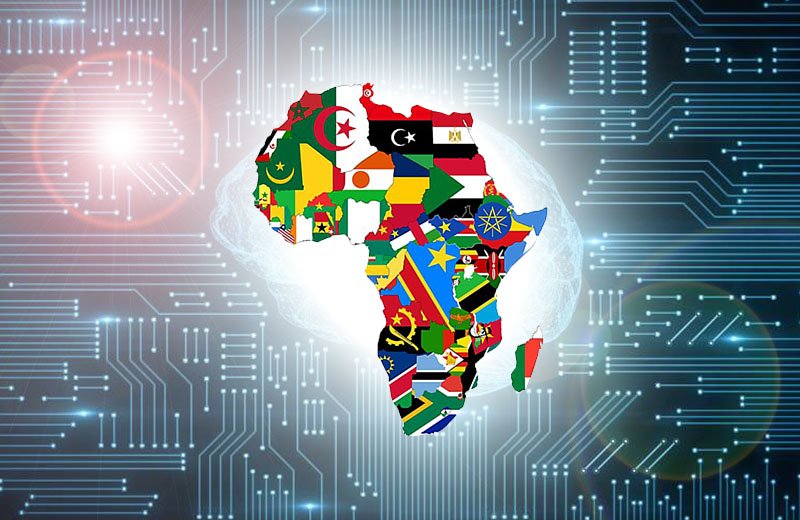
Africa’s tech ecosystem is going through one of the most rapid and exciting transformations the world has ever seen. In 2026, this ecosystem isn’t just growing, it’s exploding with new innovations, investments, and fresh talent coming from every corner of the continent. From the bustling tech hubs of Lagos and Nairobi to the rising startups in Accra and Kigali, Africa is showing the world that it’s not just keeping up with global tech trends, but actively leading the way. The surge in digital solutions, artificial intelligence, and fintech is not only changing how Africans live and work but is also grabbing the attention of global investors like never before.
Imagine a continent where young people are not just using technology, but creating it. In 2026, Africa is becoming a place where new ideas are born every day, where problems are solved with smart digital tools, and where startups are popping up in cities and towns across the region. From mobile money that helps farmers get paid instantly, to AI-powered apps that connect doctors with patients in remote villages, the changes are real and happening fast.
What makes this growth so special is that it’s not just happening in a few big cities. It’s spreading to smaller towns and rural areas, giving more people a chance to be part of the digital revolution. People are learning new skills, starting businesses, and finding ways to make life easier for millions. Investors from all over the world are taking notice, pouring money into African startups and betting on the continent’s future.
Africa’s tech ecosystem is not just about fancy gadgets or high-tech offices. It’s about real people using technology to solve everyday problems, like getting access to healthcare, education, and financial services. It’s about creating jobs, boosting economies, and building communities that are more connected and empowered. In 2026, Africa is not just catching up; it’s setting the pace for the rest of the world, showing that innovation knows no borders.
Why Africa’s Tech Ecosystem Is Captivating the World
What makes Africa’s tech ecosystem so captivating is that it’s not just about a handful of big success stories or a few isolated startups. It’s about a vibrant network of innovators, investors, and entrepreneurs who are solving real problems and opening up new opportunities for millions of people. By 2026, Africa is home to more than 600 million internet users, and the digital economy is expected to add over $700 billion to the continent’s GDP in the coming years. This incredible growth is being powered by a young, energetic population that’s eager to learn, adapt, and build the future.
Africa’s tech scene is special because of its diversity and resilience. Unlike other regions where tech growth is often concentrated in a few cities or industries, Africa’s innovation is spreading far and wide. Whether it’s mobile money platforms in Kenya or AI-driven health solutions in Nigeria, the continent is coming up with solutions that are not only uniquely African but also relevant to the world. These innovations are not just making life easier for Africans, they’re inspiring global tech communities.
Read More: 5 Fastest-Growing Sectors in Africa to Watch in 2026
The Driving Forces Behind Africa’s Tech Boom
Several key factors are driving this boom. First, there’s been a massive surge in venture capital funding. In 2025 alone, African startups raised over $5 billion in venture capital, and that trend is expected to keep growing into 2026. Investors are waking up to the huge potential of African markets and are eager to support startups that are tackling local challenges with scalable, impactful solutions.
Another major driver is the expansion of digital infrastructure. Telecom networks are getting faster and more reliable thanks to investments in AI-powered customer support, eSIMs, and mobile virtual network operators (MVNOs). This improved connectivity is making it easier for startups to reach customers and for businesses to adopt new technologies.
The rise of innovation hubs and tech events is also playing a big role. Events like GITEX Africa and the Africa Technology Expo are bringing together founders, investors, and tech enthusiasts from across the continent and beyond. These gatherings aren’t just about networking, they’re about showcasing groundbreaking hardware, sharing ideas, and building partnerships that fuel further growth.
Key Trends Shaping Africa’s Tech Ecosystem in 2026
Artificial Intelligence and Automation
In 2026, artificial intelligence is no longer just a buzzword in Africa’s tech ecosystem. Companies are investing in AI tools that deliver real value, like workflow automation, customer support chatbots, and data analytics platforms. According to KPMG, 26% of African businesses plan to spend over 20% of their tech budgets on AI, and 41% say integrating AI is a top strategic priority. This shift is helping businesses become more efficient and competitive.
Fintech and Digital Payments
Fintech remains one of the hottest sectors in Africa’s tech ecosystem. Mobile money platforms, digital wallets, and blockchain-based solutions are transforming how people access financial services. In 2026, fintech companies are expected to rely heavily on KYC APIs for compliance, speeding up user onboarding and improving security. The sector is also seeing a wave of new startups focused on lending, insurance, and investment.
Telecom and Connectivity
Telecom innovation is also set for a major leap forward. AI-powered customer support will become standard as mobile operators adopt CPaaS tools to automate billing, sales, and inquiries. Travel eSIMs and MVNOs are merging, creating new revenue streams for regional hubs like Nigeria and Kenya. Telecom-as-a-Service models are allowing brands in retail, sports, and entertainment to launch their own MVNOs without massive infrastructure costs, further democratizing access to digital services.
Read Next: Top 10 African Cities for Startups in 2026: Innovation Hubs to Watch
Semiconductor and Hardware Development
Africa is also making strides in semiconductor and hardware development. Nigeria, in particular, is investing in fabless chip design and ATMP (assembly, testing, marking, and packaging) facilities that could eventually support energy-efficient chips designed for African environments. This move toward sovereign tech is reducing reliance on imports and opening new opportunities for local innovation.
Workforce Expansion and Talent Growth
The tech workforce in Africa is expanding rapidly, with 88% of fintech and semiconductor companies planning to hire more staff in 2026. This growth is being fueled by a surge in digital agencies, training programs, and startup accelerators that are equipping young Africans with the skills they need to succeed in the tech industry.
The Cities and Countries Leading the Charge in Africa’s Tech Ecosystem
Africa’s tech ecosystem is not just growing, it’s transforming lives, economies, and futures. In 2026, the continent’s innovation landscape is being led by a wave of cities and countries that are redefining what’s possible through technology. From Nigeria’s bustling Lagos to Kenya’s vibrant Nairobi, and from South Africa’s advanced Cape Town to Egypt’s dynamic Cairo, these hubs are setting the pace for the rest of Africa and capturing global attention.
1. Nigeria: The Startup Capital of Africa
Nigeria continues to dominate Africa’s tech ecosystem, with Lagos standing out as the epicenter of innovation. The city’s startup scene is thriving, powered by world-class entrepreneurs and supported by a surge in venture capital. Nigerian fintech giants like Flutterwave, Paystack, Moniepoint, and OPay have not only achieved unicorn status but are also expanding their influence across the continent and beyond. Moniepoint, for instance, is now serving over 7 million businesses monthly and boasts 10 million active customers, making it a true powerhouse in the African digital payments space.
Nigeria’s success is not limited to fintech. The country is also investing heavily in semiconductor design and assembly, with new facilities set to support energy-efficient chips tailored for African environments. This push toward sovereign tech is reducing reliance on imports and opening doors for local innovation. Nigerian startups are also making strides in e-commerce, logistics, and healthtech, with platforms like Jumia and LifeBank leading the charge.
2. Kenya: The Silicon Savannah
Kenya’s tech ecosystem, centered in Nairobi, is widely recognized as the “Silicon Savannah.” The country’s innovation journey began with the launch of M-Pesa, which revolutionized mobile money and inspired a generation of fintech startups. Today, Nairobi is a hub for agri-tech, clean energy, and smart city solutions, with companies like Twiga Foods transforming agricultural supply chains and Safaricom leading the way in mobile innovation.
Kenya’s government is also investing in digital infrastructure, supporting startups with grants, incubators, and regulatory sandboxes. The country’s commitment to innovation is evident in its thriving tech community, which includes hundreds of startups and thousands of tech professionals.
Read More: Top 5 Influential African Business Leaders Shaping Africa’s Future
3. South Africa: The Continent’s Tech Powerhouse
South Africa remains one of Africa’s most advanced tech markets, with Cape Town and Johannesburg serving as key innovation centers. The country’s mature business environment, strong universities, and robust infrastructure have fostered growth in fintech, healthtech, AI, and e-commerce. Companies like TymeBank, VALR, and HyperionDev are pushing the boundaries of digital transformation, while South Africa’s leadership in 5G adoption is setting new standards for connectivity.
South Africa’s research and development sector is also a major driver of innovation, with universities and research institutions collaborating with startups and global tech companies on cutting-edge projects in AI, data analytics, and renewable energy.
4. Egypt: The Gateway to North African Tech
Egypt’s tech ecosystem is rapidly expanding, with Cairo emerging as a major hub for startups and investors. Government initiatives like Egypt Vision 2030 are fueling advancements in digital transformation, AI, and green technology. Egypt’s strategic location makes it a bridge between African and Middle Eastern markets, amplifying its role in cross-continental trade and innovation partnerships. The country’s tech ecosystem is attracting global players and empowering local innovators to scale across Africa and beyond.
5. Rwanda: Africa’s Rising Tech Star
Rwanda is making a name for itself as a leader in drone technology, e-governance, and digital education. Kigali’s focus on smart governance and innovation is supported by government policies that foster startup growth and attract foreign investment. The country’s commitment to digital inclusion is evident in its investments in digital education and e-governance, which are making Rwanda a model for the rest of the continent.
Other Notable Tech Hubs
Other cities and countries are also making significant contributions to Africa’s tech ecosystem. Accra in Ghana is a rising star in fintech and e-commerce, with startups like mPharma and Hubtel leading the way. Dakar in Senegal is emerging as a hub for logistics and delivery tech, while Kampala in Uganda is gaining recognition for its inclusive digital ecosystem and mobile technology innovations. Casablanca in Morocco is also attracting attention for its growing tech and business environment.
Summary Table: Leading Tech Cities and Countries in Africa
| Country | Leading City | Key Sectors | Notable Startups/Innovations |
| Nigeria | Lagos | Fintech, E-commerce | Flutterwave, Paystack, Moniepoint |
| Kenya | Nairobi | Fintech, Agri-tech | M-Pesa, Safaricom, Ushahidi |
| South Africa | Cape Town/Johannesburg | Fintech, AI, Healthtech | TymeBank, VALR, HyperionDev |
| Egypt | Cairo | E-commerce, Fintech | Fintech startups, digital services |
| Rwanda | Kigali | Drone tech, E-governance | Drone delivery, digital education |
| Ghana | Accra | Fintech, E-commerce | mPharma, Hubtel |
| Senegal | Dakar | Logistics, Fintech | Wave, InTouch |
| Uganda | Kampala | Mobile tech, IT services | Ensibuuko, Billbrain |
| Morocco | Casablanca | Tech, Business | Growing startup scene |
The Impact of Africa’s Tech Ecosystem on Everyday Life
The impact of Africa’s tech ecosystem on everyday life is profound. Digital solutions are making it easier for people to access healthcare, education, and financial services. For example, telemedicine platforms are connecting patients in rural areas with doctors in urban centers, while mobile learning apps are helping students overcome barriers to education. Fintech innovations are empowering millions of unbanked and underbanked Africans to participate in the formal economy. Mobile money platforms like M-Pesa have already transformed the way people send and receive money, and new fintech startups are building on this success by offering everything from microloans to digital insurance.
The rise of e-commerce and digital marketplaces is also changing how people shop and do business. Platforms like Jumia and Konga are making it easier for small businesses to reach customers across the continent, while logistics startups are solving the challenge of last-mile delivery in remote areas.
Challenges and Opportunities Faced by Africa’s Tech Ecosystem
Despite this rapid growth, Africa’s tech ecosystem still faces challenges. Access to funding remains a major hurdle for many startups, especially those seeking early-stage capital. Infrastructure gaps, such as unreliable electricity and internet connectivity, also pose obstacles to growth. However, these challenges are also creating opportunities for innovation. Startups are developing off-grid solar solutions, building resilient networks, and finding creative ways to overcome barriers.
Another challenge is the need for more skilled talent. While the tech workforce is expanding, there’s still a shortage of experienced developers, data scientists, and cybersecurity experts. This gap is being addressed through training programs, partnerships with global tech companies, and government initiatives aimed at boosting STEM education.
Tech events and partnerships are playing a crucial role in the growth of Africa’s tech ecosystem. Events like GITEX Africa and the Africa Technology Expo are not just showcases, they’re catalysts for collaboration and innovation. These gatherings bring together founders, investors, and tech enthusiasts from across the continent and beyond, fostering connections that lead to new ideas and ventures. Partnerships between startups, governments, and global tech companies are also driving growth. For example, Silicon Africa Technologies is forming partnerships with major telecom operators like MTN to support the launch of new MVNOs and expand digital access. These collaborations are helping startups scale and reach new markets.
The future of Africa’s tech ecosystem is bright. With a young, dynamic population, a growing digital economy, and a wave of innovation sweeping across the continent, Africa is poised to become a global leader in technology. In 2026, the continent is not just keeping pace with global trends, it’s setting them. The rapid growth of Africa’s tech ecosystem is a testament to the resilience, creativity, and determination of African innovators. From AI-powered solutions to fintech breakthroughs, the continent is proving that it has what it takes to shape the future of technology. As the world watches, Africa’s tech ecosystem is ready to take its place on the global stage.
Read More: Top 5 African Social Entrepreneurs Creating Sustainable Change in 2026
Conclusion
In 2026, Africa’s tech ecosystem is no longer a promise; it is a fast-evolving reality. The combination of broad mobile access, increasing local and international capital, growing talent, and solutions that meet real needs means African startups can scale in unique and powerful ways. Challenges remain, from infrastructure to regulation, but the progress is real and accelerating. The companies and people building today could reshape large parts of the global economy over the next decade, and they deserve attention, partnership, and patient capital.
Frequently Asked Questions (FAQs)
1. What does “Africa’s tech ecosystem” really mean?
Africa’s tech ecosystem refers to the growing network of technology startups, developers, investors, tech hubs, accelerators, governments, and users across the continent. It includes companies building digital solutions in areas like payments (fintech), health care, education, transport, agriculture, energy, and e-commerce. Together, these players create an environment where technology is used to solve real African problems and create jobs.
2. Why is Africa’s tech ecosystem growing so fast in 2026?
The rapid growth is driven by several key factors: widespread use of mobile phones and mobile internet, a very young and tech-savvy population, increasing investor interest, and strong demand for digital solutions in everyday life. Many Africans rely on technology for banking, shopping, transport, and healthcare, so startups that solve these needs can grow quickly and reach millions of users.
3. Which African countries are leading the tech boom?
Countries like Nigeria, Kenya, South Africa, and Egypt are leading Africa’s tech ecosystem. Cities such as Lagos, Nairobi, Cape Town, Johannesburg, and Cairo have strong startup communities, access to investors, and skilled talent. At the same time, other countries like Ghana, Rwanda, Senegal, and Morocco are emerging as important tech hubs and are gaining more attention each year.
4. What challenges still slow down Africa’s tech growth?
Despite the progress, challenges remain. These include unreliable electricity and internet in some areas, strict or unclear regulations (especially in fintech), limited access to funding outside major cities, and difficulties in keeping skilled talent. Economic issues like inflation and currency changes can also affect startups. Even so, many companies are finding creative ways to work around these problems and continue growing.