
Across Africa, young African entrepreneurs are rising fast, turning big ideas into real change amid tough challenges like limited funding and shaky economies. These trailblazers in tech, health, and green mobility aren’t just building businesses, they’re solving everyday problems for millions, from rural farms to bustling cities, and paving the way for a brighter 2026. Picture this: a teen coder in Ethiopia teaching kids to build robots, a Zimbabwean creating AI for everyday folks, or a Ghanaian crafting electric bikes to cut pollution.
Their stories grab you because they’re raw, driven by personal struggles and a fire to lift their communities. In a continent where over 60% of people are under 25, these young African entrepreneurs stand out, pulling in investments, creating jobs, and showing the world Africa’s ready to lead in innovation. They’re not waiting for permission; they’re hacking solutions with smartphones, grit, and global smarts.
As 2026 looms with climate shifts, AI booms, and urban growth, these five, Betelhem Dessie, Kuda Musasiwa, Valerie Labi, Chika Madubuko, and Theo Baloyi, are the ones to watch. Their journeys mix heartbreak, hustle, and huge wins, proving young African entrepreneurs can shape tomorrow right now.
1. Betelhem Dessie (Ethiopia)
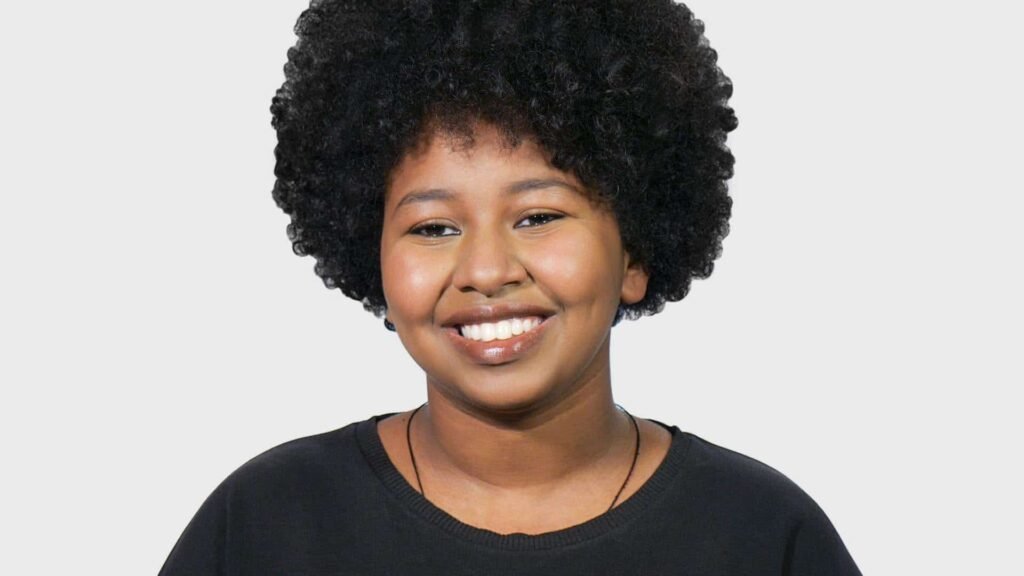
Betelhem Dessie kicked off her path at just nine years old in Harar, eastern Ethiopia, when her dad couldn’t spot her birthday cash from his electronics shop. She jumped in, editing videos and loading music onto customers’ phones, pocketing about $90 to throw her own party, that spark lit her entrepreneurial fire. By 12, the government spotted her coding talent and backed her move to Addis Ababa, where she built software for schools and farms while still in her teens. Dropping out of university software engineering, she dove headfirst into teaching, convinced anyone could code with the right push.
Today, at 21, Dessie advises iCog Labs, Ethiopia’s AI and robotics hotspot in the “Sheba Valley” tech hub. She drives Anyone Can Code (iCog-ACC), training 8-18-year-olds in apps, games, robots, and life skills like spotting fake news or guarding privacy, subsidizing fees so poor kids join free. Over five years, it’s reached tens of thousands, with girls-only sessions tackling tough topics like gender violence through coding games where players “shoot” problems with solutions like self-defense. Mastercard Foundation and universities chip in, even exporting the model to Sweden.
Dessie’s Solve IT competition targets 18-28-year-olds, turning ideas into startups over six weekends of free mentoring, backed by the US Embassy and Japan’s aid agency. Winners snag funding; one built “Uber for Milk,” linking village producers to city cafes with an app and custom tuk-tuk. Others tackled aeroponics farming, plastic recycling, and hospital monitoring. With four patents and more brewing, including Sophia the robot collab with Hanson Robotics, she’s eyeing a “digi-truck” mobile lab with 3D printers to tour Ethiopia. In 2026, expect her scaling these to empower Ethiopia’s youth bulge, making tech a daily tool, not a luxury.
Her vibe? Pure hustle: “It doesn’t matter if you went to a great university, what counts is a computer, internet, and drive.” Young African entrepreneurs like Dessie are flipping Ethiopia’s script from farming poverty to digital power.
Read More: Top 5 Most Famous African Authors Who Are Shaping Global Literature
2. Kuda Musasiwa (Zimbabwe)

Kuda Musasiwa grew up as a Zimbabwean immigrant in the 1980s, learning computing basics from his dad amid economic walls that block bright kids. With an MSc in Computer Science, he launched digital startups to link Zimbabweans worldwide, spotting gaps in tools like ChatGPT for locals hit by sanctions and fees. In 2018, he co-founded Fresh in a Box (FIAB), Zimbabwe’s e-commerce grocery hero, delivering farm-fresh veggies straight to doors, exploding during COVID lockdowns.
Musasiwa’s big 2023 leap? ZivAi, Africa’s first AI chatbot tuned for Zimbabweans, helping businesses with payments despite barriers. It’s no generic bot; it understands local lingo, integrates remittances, and boosts youth potential in a tough economy. FIAB transformed shopping, connecting farmers to urban buyers via tech, making it one of Zim’s fastest growers. He’s a libertarian at heart, pushing free speech and multifaceted humans who evolve.
By 2025, ZivAi eyes wider Africa, tailoring AI for real pains like cash flow in sanctions-hit spots. Fresh in a Box keeps scaling, proving e-commerce thrives in chaos. Musasiwa’s media, music, and politics background adds edge, he’s the “Vendor In Chief” disrupting everything. For 2026, he’s building AI ecosystems that unlock African brains, not just Western copies.
Zimbabwe’s startup scene owes him for showing tech can farm jobs and feed families. Young African entrepreneurs like him bridge global tools to local needs.
3. Valerie Labi (Ghana)

Valerie Labi, a serial impact hustler, tackles UN goals through social enterprises, now co-founding MANA Mobility (merged into Wahu Mobility) since 2022. This Ghana crew designs, engineers, and builds affordable electric vehicles, bikes, cargo haulers, small cars, African-style for urban jams and rural hauls. Zero emissions, safe, reliable: it’s freedom on wheels, with an open platform linking drivers, passengers, and goods transparently nationwide.
Labi’s track record shines. She launched Sama Sama under a $10.7M Canadian sanitation program, serving 14,000 in northern Ghana in 24 months. Earlier, she empowered women with batik sales, birthing www.tradeforchange.com for 300+ cooperatives exporting fair-trade goods. Now, Wahu bridges Ghana’s “connectivity gap” with cargo bikes, cheaper and greener than gas guzzlers. Local engineers get the context, rugged roads, heat, loads, scaling from idea to global biz.
In 2025, she’s chasing donors and investors, managing stakes to mass-produce. 2026 vision? Ecosystem dominance in African e-mobility, cutting pollution and costs. Young African entrepreneurs like Labi make green tech practical, not pie-in-sky.
4. Chika Madubuko (Nigeria)

Chika Madubuko’s Greymate Care sparked from grandma’s caregiver hunt gone wrong, now it’s an AI platform linking vulnerable folks to pros with one click. Botany grad from Obafemi Awolowo University, she’s MBA-ing in Entrepreneurship at Miva, blending science smarts with business savvy for women’s health gaps.
Nigeria’s 2025 startup boom, $110M raised Q1, fuels her. Greymate connects families fast, partnering big for scale. She’s among bold female founders celebrated for nation-building. AI matches caregivers perfectly, easing burdens in underserved spots.
2026 plans? Expand AI caregiving across Africa, hitting real-world pains. Young African entrepreneurs like Madubuko turn personal crises into lifelines.
Read Next: Top 5 African Companies Revolutionizing Agriculture in 2026
5. Theo Baloyi (South Africa)

Theo Baloyi ditched PwC accounting, Dubai stint included, for Bathu Shoes in 2015, born in Alexandra township. Spotting no African flair in global sneakers, he named it “Bathu” (township slang for shoes), launching Mesh Edition after 13 factories said no. From 9-5 savings, it hit national pride status.
By 2023, Business Partners’ Entrepreneur of the Year snagged R250k; he’s Job Creator too, with 30+ stores in SA and SADC. Board at South African Council of Shopping Centres since 2022. 2025 e-commerce success: authentic storytelling, culture-rooted design.
2026? More Namibia expansion, social impact via township jobs. Young African entrepreneurs like Baloyi build brands that scream identity.
Conclusion
These young African entrepreneurs, Dessie coding futures, Musasiwa AI-ing access, Labi greening rides, Madubuko caring smart, Baloyi styling pride, signal Africa’s 2026 explosion. Facing funding droughts and politics, they create jobs, innovate locally, and draw global eyes. Their grit inspires millions, proving the continent’s youth will lead. Watch them redefine success.
Frequently Asked Questions
Who are the top young African entrepreneurs for 2026?
Betelhem Dessie (AI/robotics, Ethiopia), Kuda Musasiwa (AI/e-commerce, Zimbabwe), Valerie Labi (e-mobility, Ghana), Chika Madubuko (AI caregiving, Nigeria), Theo Baloyi (sneakers, South Africa).
What makes Betelhem Dessie stand out?
Self-taught coder since 9, runs iCog Labs initiatives like Anyone Can Code and Solve IT, training thousands in tech.
How did Kuda Musasiwa start in business?
Fresh in a Box groceries in 2018, then ZivAi AI for Africans amid sanctions.
What’s Valerie Labi’s focus?
Electric vehicles via Wahu Mobility, solving Ghana’s transport woes sustainably.
Why is Chika Madubuko’s Greymate Care important?
AI links vulnerable to caregivers, born from family need in Nigeria’s health gaps.