
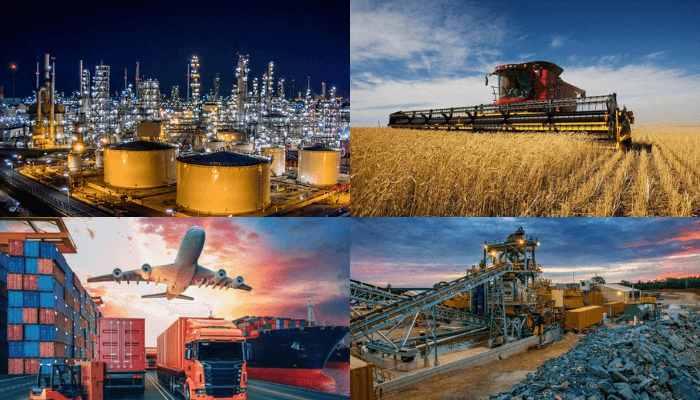
The fastest-growing sectors in Africa are stealing the spotlight as the continent gears up for a massive leap in 2026. Imagine a place where young people with smartphones are reshaping money, farms turning high-tech to feed millions, and solar panels lighting up villages that never had steady power before, these aren’t dreams; they’re happening fast.
From fintech exploding with mobile money transfers to renewable energy projects popping up everywhere, the fastest-growing sectors in Africa like agri-tech, healthtech, and transport logistics are driven by smart tech, huge investments, and deals like the African Continental Free Trade Area (AfCFTA).
With over 500 million mobile money users already handling $830 billion in deals yearly, and solar jobs jumping 23% in 2025 alone, 2026 promises jobs, innovation, and real change for everyday folks. Investors are pouring in billions, startups are scaling quick, and governments are pushing policies to make it all smoother.
This isn’t just growth; it’s a revolution that’s pulling Africa into the global big leagues, creating wealth from Lagos to Nairobi, and solving problems like hunger, blackouts, and bad roads that have held people back for years. Buckle up, the fastest-growing sectors in Africa are about to change lives in ways you won’t believe.
Here are the 5 fastest-growing sectors in Africa right now:
1. Fintech (driven by mobile money & digital payments)
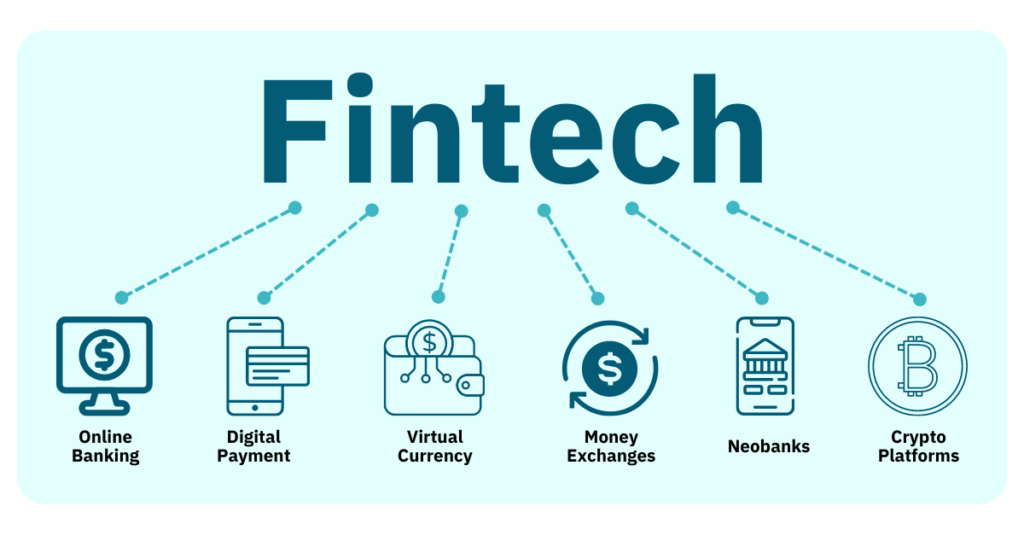
Fintech leads the pack among the fastest-growing sectors in Africa, powered by mobile money and digital payments that are making banking easy for everyone, even in remote villages. Africa’s digital payments market will top $40 billion by 2026, with over 500 million active mobile money accounts processing $830 billion yearly, think M-Pesa in Kenya leading the way, now spreading to Nigeria and Ghana where instant payments hit $1 trillion in 2024. Startups like Flutterwave and MTN are building super apps where you pay bills, borrow cash, or shop without leaving your phone, and revenues jumped 22% to $1.42 billion in Q2 2025 alone.
This boom comes from young Africans glued to mobiles, smartphone use will hit 75% soon, and tools like Kenya’s PesaLink or Nigeria’s NIBSS letting money zip across banks and wallets in seconds. The Pan-African Payment and Settlement System (PAPSS) under AfCFTA means traders pay in local cash, ditching pricey dollars, while buy-now-pay-later (BNPL) and embedded finance in apps like Jumia are exploding e-commerce. Over 1,600 fintech startups, mostly in Nigeria, Kenya, Egypt, and South Africa grabbing 67% of investments, are adding insurtech, lending, and crypto, fintech took 40% of all African startup cash in 2024.
Challenges like patchy internet and regulations exist, but sandboxes in Kenya and open banking in South Africa are speeding things up, with Visa and Stripe partnering local players. By 2026, expect cross-border payments to skyrocket, financial inclusion for unbanked women and SMEs, and fintech hubs in new spots like Uganda where mobile money rules 65% of transactions. It’s turning street vendors into digital bosses and small farmers into savers, pure game-changers.
2. Renewable Energy (for sustainable power solutions)
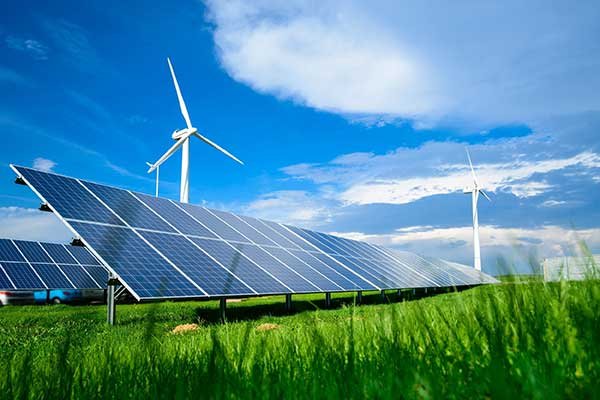
Renewable energy, especially solar, ranks high among the fastest-growing sectors in Africa, chasing sustainable power for the 600 million without electricity. Africa’s solar capacity hit 19.2 GW by 2024 end, with installations jumping 42% in 2025 and plans for 23 GW more by 2028, doubling everything fast. Sun King alone pledges 50 million solar kits from 2026-2030, worth $5.6 billion, powering 200 million people and adding 3.8 GW. COP30 in 2025 unlocked $50 billion in blended finance, building on Nairobi’s 300 GW target by 2030.
Jobs exploded too, Africa leads global solar PV growth at 23% in 2025, holding 3% of world jobs but expanding in East, West, and Central regions via big utility projects. Countries like Egypt (700 MW added 2024), Ghana, Nigeria, Zambia are installing over 100 MW each in 2025, up from just two last year, while storage shot up from 150 MWh to 1,641 MWh thanks to cheap batteries. Zambia’s 60 MW solar fixed hydropower droughts, showing resilience.
Mini-grids, home systems, and industrial setups are key, with events like Intersolar Africa 2026 in Nairobi pushing partnerships for cash and policy tweaks. Finance is the hurdle, 60% of best solar spots worldwide, but de-risking loans and GCC/Asian investors are filling gaps. By 2026, this sector means cheaper power for factories, lights for schools, and green jobs galore, turning the sun into Africa’s powerhouse.
Read More: Top 5 African Musicians Expanding Their Business Empires
3. Agri-Tech (to boost food security)
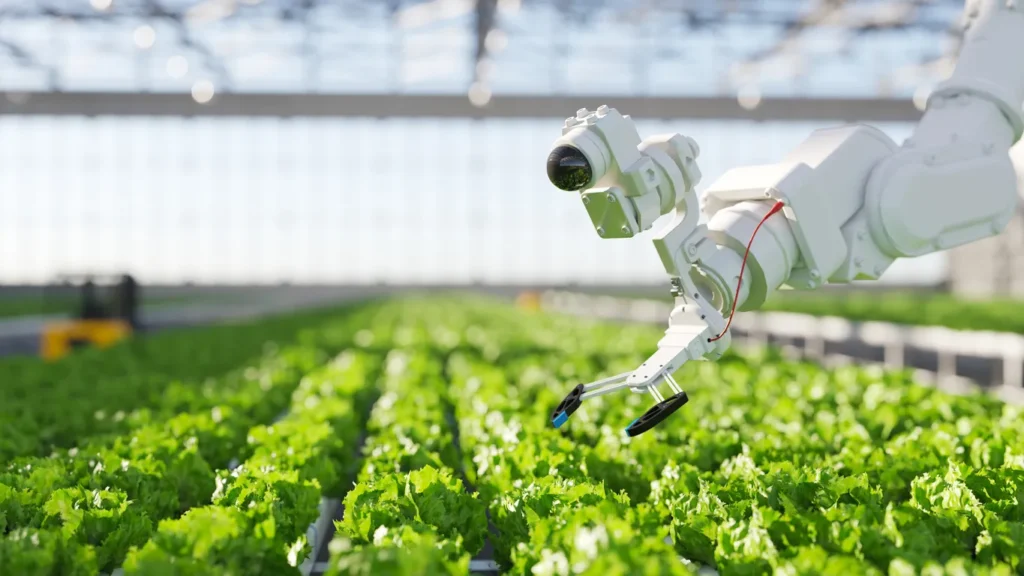
Agri-tech is transforming farms into smart operations, making it one of the fastest-growing sectors in Africa to fight hunger and boost security. Innovations could hike yields 30% and cut post-harvest losses 50%, with AI precision tools, drones, and apps helping millions of smallholders check soil, predict weather, and get market prices real-time. Programs like SAIS 2026 offer year-long investor prep for startups, fueling cross-border deals and fintech-agri links.
Digital platforms now serve millions with satellite data, weather insurance, mobile loans, scaling from pilots in East/West/Southern Africa. African Development Bank backs this, eyeing climate-smart shifts as agriculture goes high-tech. Investments rise for climate-resilient tools, with 2026 bringing bigger VC rounds and local partnerships.
Investors target precision ag, agri-fintech for loans/insurance via data scoring, and bio-diversity plays like CONTEC Global. This means farmers save cash, cut waste, link to big markets, feeding Africa and exporting surplus. No more subsistence; it’s sophisticated growth by 2026.
4. HealthTech (addressing access gaps)

HealthTech tackles Africa’s care gaps head-on, emerging as a top fastest-growing sector in Africa with startups using phones for checkups and drones for meds. Over 60% lack basic services, but 650 million mobiles (75% smartphones by 2026) and $200M+ funding in 2022 (up 250%) are changing that, and the market will hit $17B by 2030. Initiatives like i3 backed 60+ startups, enabling $20M deals for cancer screening, pharmacy access, malaria fights via WhatsApp consults and AI diagnostics.
Drone blood delivery, telemed, and decentralized care reach rural spots, but funding’s thin (under 10% VC to health), regs lag, and insurance covers just 20%. Still, young founders lead, with GSMA noting mobile health surge.
By 2026, expect scaled solutions closing gaps, more VC to francophone/rural areas, and policy wins for data sharing. It’s saving lives affordably, from city clinics to village phones.
5. Transport & Logistics (fueled by e-commerce & AfCFTA)

Transport and logistics, boosted by e-commerce and AfCFTA, zoom as fastest-growing sectors in Africa, rewiring trade with better ports, rails, and digital tools. AfCFTA could lift intra-trade 50%, with $2.6T B2B spend in 2015 eyeing $1T more by 2025, logistics gaps at $68-108B yearly. Lobito Corridor links minerals to the Atlantic, East Africa’s gauge rail cuts costs.
Digital customs, AI fleets, mobile freight apps slash delays; Unitrans sees e-commerce reshaping last-mile. Ports like Maputo upgrade, Asian/GCC cash flows in. PAPSS aids payments, special zones boost manufacturing.
By 2026, reliable corridors mean SMEs trade continent-wide, exporters compete globally, ending roadblocks for growth.
Read More: Top 10 African Cities for Startups in 2026: Innovation Hubs to Watch
Conclusion
The fastest-growing sectors in Africa, fintech, renewable energy, agri-tech, healthtech, and transport & logistics, are setting the stage for an unbelievable transformation in 2026, blending cutting-edge tech, smart trade deals, and a real push for sustainability that could create millions of jobs and lift entire communities out of poverty.
Think about it: fintech is putting financial power in the pockets of street vendors and small business owners through simple mobile apps, letting them save, borrow, and trade without ever stepping into a bank. Renewable energy is harnessing the endless African sun to light up homes, power factories, and create green jobs that beat the old unreliable grids. Agri-tech is turning dusty farms into smart operations where farmers use apps to beat droughts, cut waste, and grow enough food to feed not just Africa but export to the world.
Healthtech is bridging those painful gaps in care, delivering medicine by drone and checkups via phone to remote villages where doctors were once a distant dream. And transport & logistics, supercharged by e-commerce giants and the AfCFTA, is smoothing out the bumpy roads of trade, making it cheaper and faster to move goods from Cape Town to Cairo.
This isn’t just numbers on a page, it’s real life changing. Young entrepreneurs in Lagos are building the next big fintech unicorns, women in rural Kenya are running solar-powered businesses from home, and farmers in Ethiopia are smiling wider with bigger harvests thanks to drone data. Governments are waking up too, with policies like digital payment systems and energy auctions pulling in billions from global investors, while challenges like regulations and infrastructure slowly get ironed out through partnerships.
By 2026, these sectors could add trillions to Africa’s economy, spark innovation hubs across the continent, and position Africa as a global leader in solving tomorrow’s problems today, from climate change to food shortages.
Frequently Asked Questions
What drives fintech growth in Africa?
Mobile money like M-Pesa, 500M accounts, and AfCFTA payments, market to $40B by 2026.
How big is renewable energy’s solar boom?
42% install growth 2025, 23 GW by 2028, 200M people powered soon.
Can agri-tech end food shortages?
Yes, 30% yield boosts, AI tools for millions of farmers.
Why HealthTech now?
Mobiles reach 75%, $17B market by 2030 filling 60% access gaps.