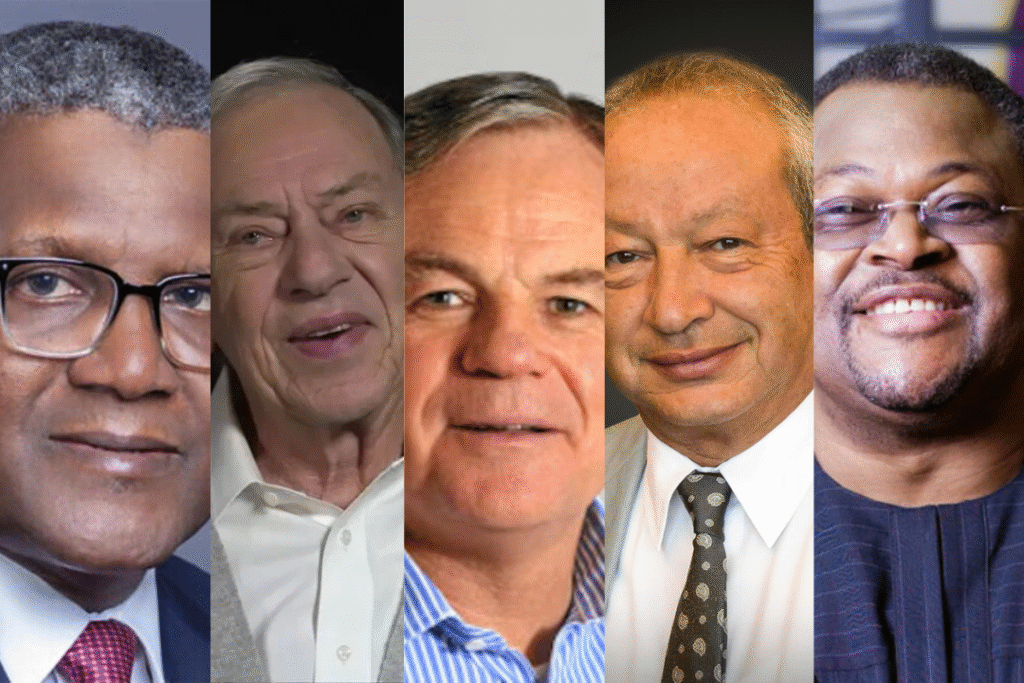
African billionaires are transforming the manner in which Africa develops. Riches on the continent are not merely associated with individual achievement but are associated with the development of industries and the enhancement of living. According to reports, industries such as manufacturers, banks, power plants, farms, and telecommunication firms are the major factors that are transforming Africa and solving problems such as high costs and lack of infrastructure.
They are putting ideas into opportunities, local resources into products and services that satisfy their needs, and showing that Africa can develop from within. Their power does not end there.
Through investing in infrastructure, manufacturing, and technology, they are influencing the economy and providing an avenue for millions of people to make a living or enhance their living standards. Roads are constructed, access to electricity is increased, and communities benefit from developments that would not have been possible at the time.
Such efforts prove that in Africa, wealth can be used as an instrument for growth and not just for making individual money. The potential in Africa is enormous, and realizing this potential needs vision, courage, and scale.
This generation of African billionaires shows that investment, innovation, and leadership are effective in overcoming Africa’s toughest problems. Here, we look at the list of African billionaires who are at the forefront of Africa’s economic growth.
Why African Billionaires Are Important to African Development
Let’s face it. One of the most frustrating things in Africa is to see natural resources being exported while imported goods are pricey as well. Then comes unemployment. Next comes infrastructure. African billionaires matter because they have access to funds, can wait longer to see returns, and have an understanding of the markets.
When the money remains in Africa, there’s a ripple effect. The industries create job opportunities. The suppliers develop. The transporters make money. The governments raise taxes. The expertise is exchanged. The communities thrive. It’s at this stage that economic development becomes a reality, something that would otherwise remain talk at a seminar.
These billionaires are not flawless, though. Not a single one of them is. Yet their investments represent the potential that exists when African dollars are put towards creating African solutions.
Take out time to read – Top 5 Young African Entrepreneurs Shaping the Future in 2026
Top 5 African Billionaires
1. Aliko Dangote (Nigeria)
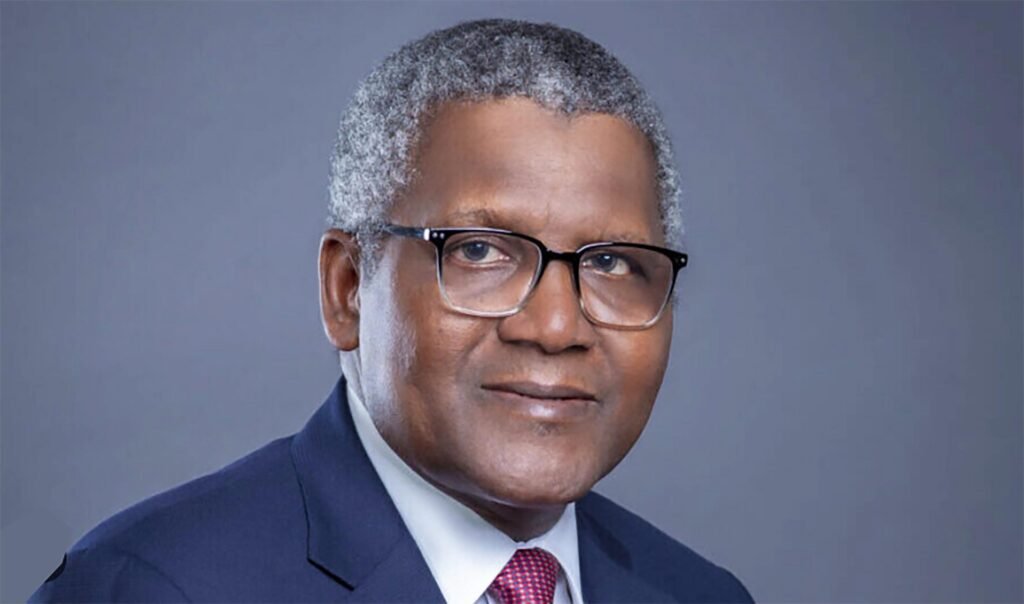
Aliko Dangote is at number one as Africa’s richest person, valued at $11.5 billion, and his influence transcends his personal worth. He began his success journey by identifying sectors that Africa could no longer justify importing. Cement is still at the heart of the Dangote Group, a manufacturer that provides raw materials that power infrastructural projects and construction of roads, as well as houses. The sugar and flour industries that Dangote is involved in also have a behind-the-scenes role that is crucial to food security.
The most revolutionary undertaking, which has a worth of approximately $19 billion, is, without a doubt, the Dangote Refinery. The refinery, which can refine domestic crude oil, solves another age-long problem that Africa has been dealing with, which is that it has been exporting raw materials and importing finished products, all for an extra charge.
His investments in agriculture, fertilizer, and transport are also an expression of his long-term vision of an industrialized Africa that is capable of producing, processing, and consuming its products. His involvement in Africa makes him not only the largest businessman in Nigeria but also one of the most influential industrialists the continent has produced.
2. Naguib Sawiris (Egypt)
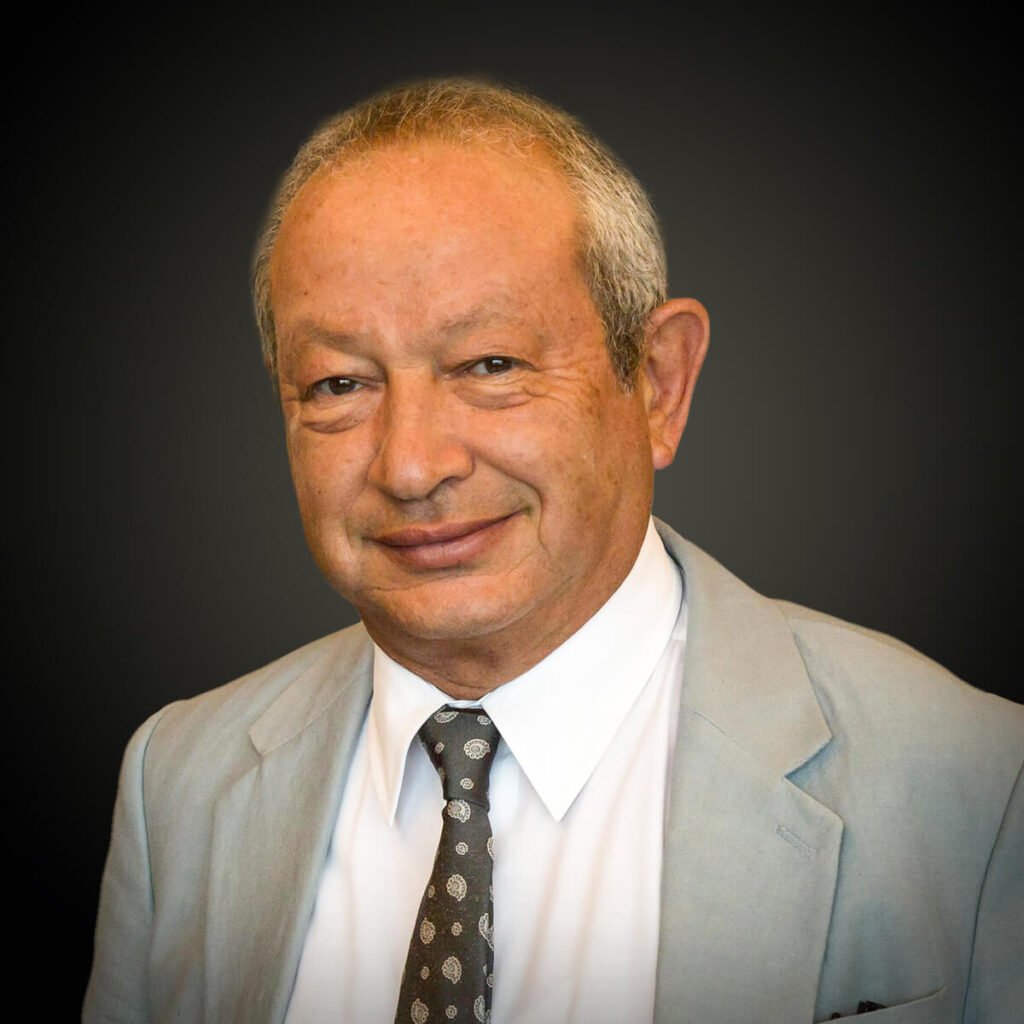
Naguib Sawiris, who comes in 8th in Africa’s billionaires, with an estimated net worth of $3.8 billion, is also recognized for his keen intuition and preparedness to diversify. His success began with Orascom Telecom in the telecommunication sector, which paved the way for greater internet and telecommunication access in Africa, the Middle East, and Asia, which were still restricted. This led to greater internet and telecommunication opportunities for millions of people.
Apart from telecom, Sawiris has diversified his portfolio into gold mining, real estate, and media. His investments in mining indicate that he has in-depth knowledge of the commodity market worldwide. Apart from this, his presence in the media, which includes entertainment, also reveals his interest in the African creative industry.
Through supporting films, music, and content sites, he is contributing to the broader effort of making Africa a significant contributor to the entertainment world, and not only a consuming nation. Sawiris is also known for advocating strongly on issues such as governance and development in the economy.
Don’t miss out to read – Top 5 Most Famous African Authors Who Are Shaping Global Literature
3. Koos Bekker (South Africa)

Koos Bekker is still a highly influential mind in the technological and media sector in the African continent, with a net worth of $2.9 billion. He is closely identified with Naspers, which he converted into a worldwide investment giant from a conventional media house. Koos Bekker’s prescience and subsequent investment in the online world, as well as other online enterprises, altered the course of technological investment on the continent.
The best example here is Naspers’ investment in Tencent, which is one of the most successful investments in the tech world to date. This one investment created tremendous value and put Africa on the world tech investment map.
Aside from Tencent, Bekker has used Naspers to invest in e-commerce, online classified advertising, food delivery, and fintech in other emerging countries. His impact on Naspers goes beyond wealth, since through him, it has been demonstrated that African businesses should be thinking globally, taking risks, and playing in the top echelons of the digital economy.
4. Mike Adenuga (Nigeria)
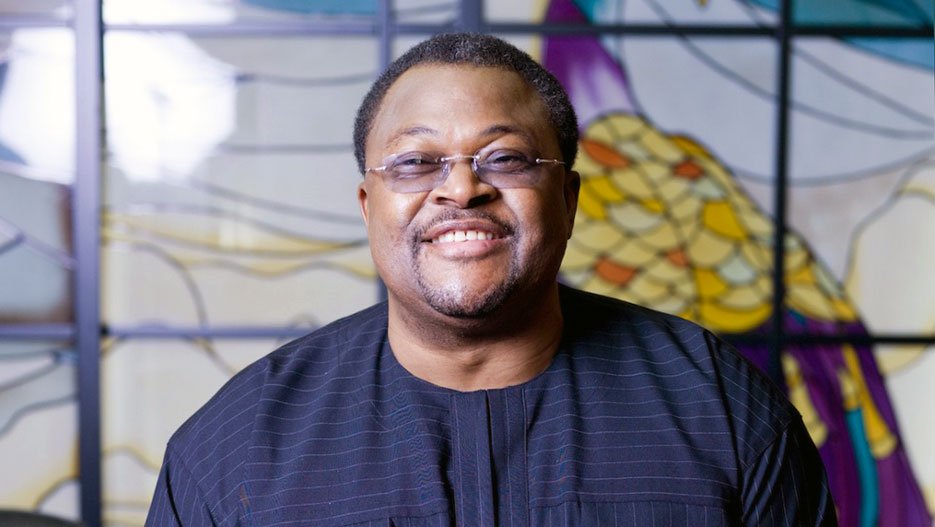
Mike Adenuga is ranked 6th among African billionaires with a net worth of $6.8 billion; his expertise in founding large companies from scratch earns him respect. His entry into the telecommunication sector was felt through his company, Globacom, which disrupted the Nigerian telecommunication market by introducing call rates as well as the concept of billing by the second.
This had the effect of driving down costs and extending access to millions of users in Nigeria and the rest of West Africa.
Apart from telecoms, Adenuga has significant business in the energy sector under his company, Conoil, and other investments in the oil and gas sectors. He is significantly involved in two areas pivotal to the economic development of the African continent: connectivity and energy.
As data consumption, broadband, and other online services keep rising, the role that Globacom’s infrastructure has to play in the support of business, learning, and innovation cannot be overestimated. Adenuga’s reduced profile contrasts sharply with his level of influence, but his influence on Nigeria’s new economy cannot, however, be disputed.
5. Nathan Kirsh (Eswatini)

Nathan Kirsh, ranked 5th with an estimated net worth of $7.3 billion, has earned his wealth through expertise in the seemingly non-core sector of the distribution chain of commerce and logistics/wholesale retailing.
Kirsh’s control of the industry through his company, Jetro Holdings, which holds the largest cash-and-carry operations in the United States, makes him a major player in the industry that supplies food and other products to restaurants, retailers, and small businesses. There is no doubt that Kirsh’s success is a result of scale and the efficiency of his supply chain system.
His interests also lie in the real estate sector, particularly in commercial property strategically located to facilitate retail and logistics operations. Kirsh is bridging markets by connecting African capital to the international markets; thus, his efforts have enabled African wealth to be part of the global flow of trade.
Even as he operates with relatively low-key prominence, his impact is seen in areas such as freight movement, property development, and international trade. His case specifically shows that less visible sectors like freight movement are as powerful as their technological or energy counterparts.
Also make sure to read – Top 5 African Musicians Expanding Their Business Empires
How African Billionaires Make Everyday Impact
It is easy to talk about billions and forget the human side, but this is where the real story lives. The impact of African billionaires shows up in ordinary moments that quietly change how people live and earn.
- A mason who buys locally made cement at a better price will undertake more construction contracts, complete projects early, and increase income. The impact creates more housing and infrastructure while putting food on the table.
- Using affordable fertilizer, a farmer is able to increase his or her output, minimize losses, and maximize profits per crop.
- A trader who can phone suppliers without concern about the cost of calls can negotiate good prices, react promptly to demands, and even expand the business outside their local community.
- The young person who graduates gets employment in a factory, earning them money and skills, which reduces unemployment and dependence.
- An improved community infrastructure, with better roads and a steady power supply, will help to boost businesses and living standards.
This is how economic growth connects with individuals. It goes from large numbers to the real world ,in which individuals sense it in their day-to-day life.
You might find this interesting to read – Top 5 African Companies Revolutionizing Agriculture in 2026
What the Future Holds for Africa’s Growth
Africa’s next growth phase will be shaped by key sectors that drive jobs, stability, and long-term development. The foundation laid by these African billionaires makes that future achievable.
- Local refineries reduce fuel shortages and protect economies from price shocks.
- Strong telecom networks power digital businesses, fintech, education, and remote work.
- Mining revenues support roads, ports, schools, and other public infrastructure.
- Manufacturing keeps value within local economies and helps stabilise currencies.
- Long-term African capital attracts global investors seeking serious, stable partners.
The next step is multiplication. More African billionaires investing locally. Better partnerships with governments. Stronger institutions. More opportunities for young people to gain skills, build businesses, and create wealth. This is how Africa’s economic development becomes broader, deeper, and more sustainable.
Frequently Asked Question
Their effect manifests in the lives of people in the form of cheap cement, good roads, good mobile coverage, employment, good energy sources, and enhanced access to products and services. The good roads, for instance, make it easy for people to do their job.
The risks include the following: income inequality, environmental risks, and governance challenges. These risks make accountability, regulation, and inclusive growth policies crucial in order to ensure that development includes many people.
No. Most of the African billionaires have invested in different countries in Africa. This is because their companies operate on a regional level.
Their effects are realized in various ways, including the availability of cement at a lower cost, good roads, mobile coverage, employment opportunities, a stable source of energy, and greater accessibility to goods and services. With the improvements, it becomes easier for citizens to work, conduct business, and make a living.
Conclusion
African billionaires are playing an important role in ensuring the development of the economy of Africa by establishing industries, which provide jobs and help solve problems affecting the lives of people on a daily basis. Through their investment, industries powers in areas such as farms and telecommunications.
This example is important, as it proves that Africa does not have to depend on external investment. When investment leads to the creation of wealth, which cycles back within the economy, the economy prospers. Although the problems associated with wealth are still prevalent, the bottom line is clear. African billionaires have the potential to create the future they want.
The more new wealth creators who emerge and the more capital that remains on the continent, the more plausible and comprehensive Africa’s development trajectory becomes. The course that is now set points to an Africa that develops on its own terms.