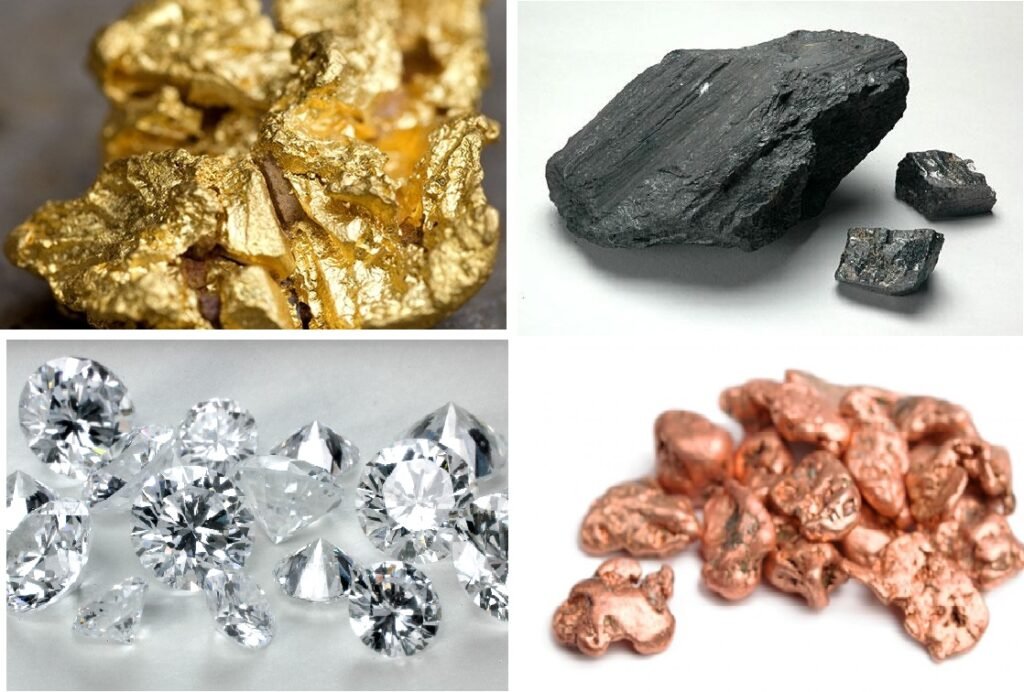
Africa is home to some of the world’s richest treasure troves underground, with African countries rich in mineral resources that power everything from your smartphone to the cars zooming down Lagos streets. Imagine vast lands hiding cobalt for electric car batteries, gold that sparkles in jewelry, and oil gushing like endless fountains.
These African countries rich in mineral resources are not just stories from history books but real powerhouses shaping global trade today. From the heart of the Congo Basin to the sun-baked mines of South Africa, these nations hold minerals worth billions, yet they face big hurdles like conflict, poor management, and the rush of foreign companies.
In this article, we’ll dive into five standout African countries rich in mineral resources you should know: DR Congo, South Africa, Nigeria, Algeria, and Angola. Each one packs a punch with specific gems like cobalt, platinum, oil, and more, fueling economies but also sparking debates on how to turn underground wealth into everyday prosperity for their people.
Read More: Top 5 African Billionaires Driving Africa’s Economic Development
1. DR Congo: Cobalt and Copper
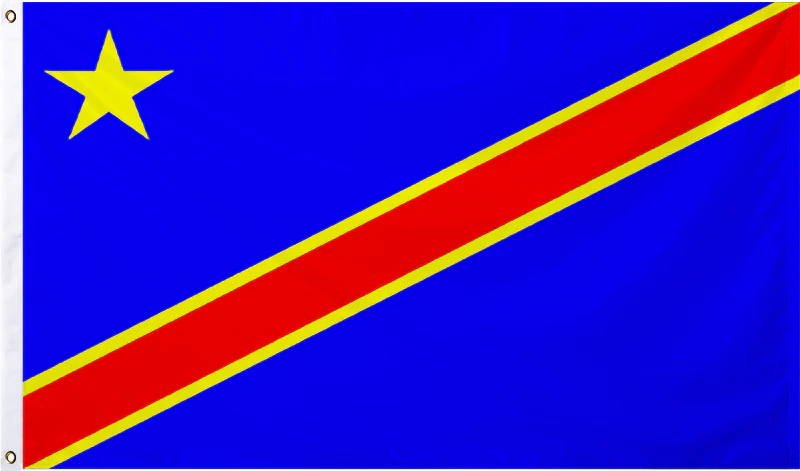
Deep in Central Africa, the Democratic Republic of Congo (DRC), often called DR Congo, sits on what feels like a jackpot of the earth’s bounty. This massive country, bigger than Western Europe, boasts over 70% of the world’s cobalt reserves, that shiny blue metal crammed into every electric vehicle battery and smartphone. Cobalt production hit around 170,000 tons in recent years, making DR Congo the undisputed global leader, supplying giants like Tesla and Apple.
Copper isn’t far behind; the DRC pumps out over 2 million tons yearly from giant open-pit mines like Kamoa-Kakula, one of the richest undeveloped copper deposits ever found. These minerals rake in billions, but here’s the twist: much of it comes from the volatile Katanga region, where artisanal miners, often kids, dig by hand in dangerous pits, fueling child labor scandals and militia fights.
Life in DR Congo’s mining towns is a mix of hope and hardship. Picture dusty roads lined with trucks hauling ore to ports in South Africa or Tanzania, while locals haggle over scraps. The government aims to boost processing plants locally to keep more cash home, but foreign firms from China dominate, controlling 80% of cobalt output.
Recent deals, like the $6 billion Lobito Corridor rail project backed by the US and EU, promise better export routes and jobs. Still, corruption eats away profits, transparency groups say up to 90% of cobalt dodges taxes. Environmentally, it’s rough: rivers turn turquoise from mine runoff, harming fish and farms. Yet, with demand for green tech exploding by 2030, DR Congo could lift millions from poverty if it plays smart. Fun fact: one cobalt mine alone could power batteries for 1 billion phones!
2. South Africa: Platinum, Gold, and Chrome
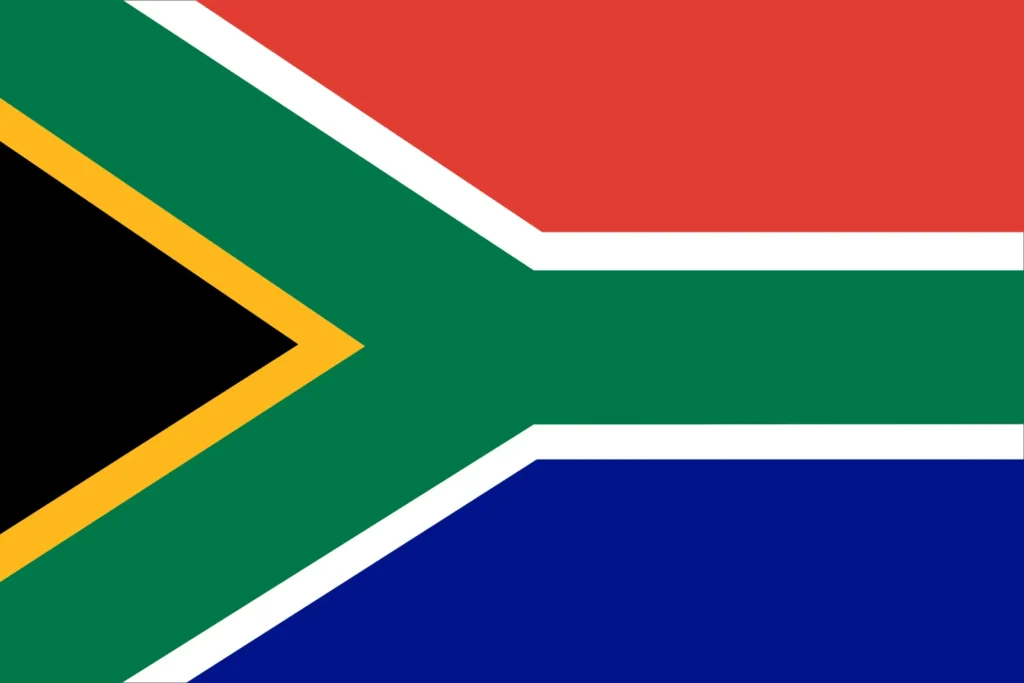
Head south to South Africa, the granddaddy of African mining with a history etched in gold rushes and diamond dreams. This Rainbow Nation leads the world in platinum group metals (PGMs), holding 80% of global reserves, platinum for catalytic converters that clean car exhausts, and palladium for hydrogen tech.
In 2024, it produced over 4 million ounces, from the Bushveld Complex, a 2-billion-year-old rock formation stuffed with treasure. Gold still shines too; Witwatersrand Basin, once the richest goldfield ever, yielded 40% of all gold mined historically, though output dipped to 100 tons yearly amid deep, hot shafts over 4km down. Chrome rounds it out, South Africa mines half the world’s supply, 17 million tons annually, vital for stainless steel in your kitchen sinks.miningweekly+2
South Africa’s mining scene buzzes with heavyweights like Anglo American and Sibanye-Stillwater, employing 500,000 and contributing 8% to GDP. But strikes, like the 2012 Marikana massacre, highlight worker woes, low wages versus billionaire execs. The country pushes “high-critical minerals” status for platinum, chrome, and manganese to attract green investments, with new laws mandating local processing.
Gold towns like Johannesburg grew from tent camps to megacities, but abandoned shafts now scar landscapes, leaching acid into water. Up-and-coming: rare earths and vanadium for batteries, positioning South Africa as a green mineral hub amid global shifts from Russian supplies. Imagine driving a platinum-fueled future, South Africa’s got the keys, if it unlocks them right.
Read Also: Top 5 Young African Entrepreneurs Shaping the Future in 2026
3. Nigeria: Oil, Gas, and Iron Ore
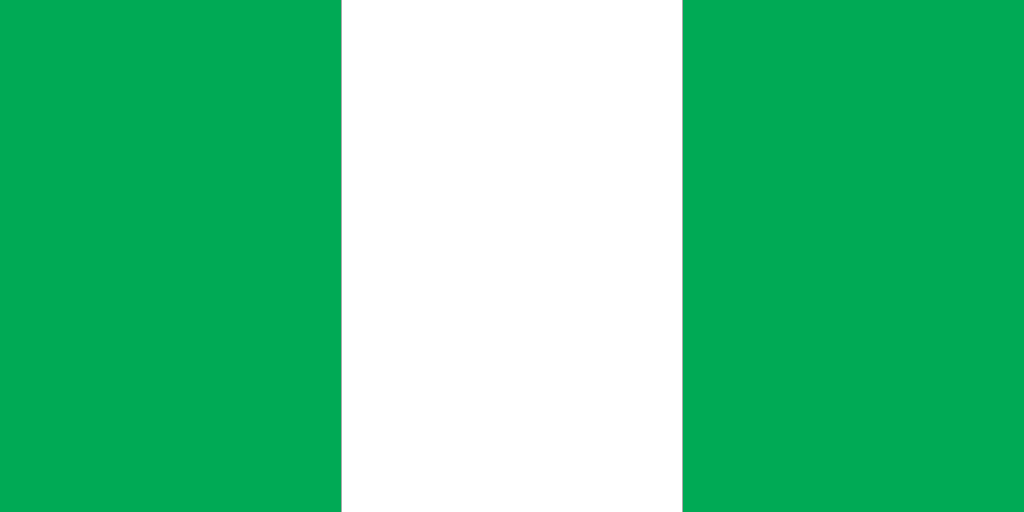
West Africa’s powerhouse, Nigeria, runs on black gold, oil and gas making up 90% of exports, with 37 billion barrels proven reserves, mostly in the Niger Delta swamps. Daily output hovers at 1.4 million barrels, from fields like Bonga deep offshore, feeding Europe’s refineries and funding Lagos skyscrapers.
Gas is huge too: Africa’s largest reserves at 200 trillion cubic feet, powering thermal plants but mostly flared wastefully, enough to light the US. Iron ore lurks in the background; deposits in Kogi State top 3 billion tons, with the Itakpe mine ramping up for Ajaokuta Steel Works, aiming to cut Nigeria’s $5 billion steel imports.
Oil wealth built Nigeria’s elite, but the “resource curse” bites hard, Delta militants blow pipelines, spilling crude that poisons mangroves and fishers’ livelihoods. Corruption scandals, like the $20 billion missing from fuel subsidies, leave roads potholed despite billions flowing in.
Recent moves shine hope: the 2021 Petroleum Industry Act boosts local content, and gas projects like Train 7 LNG could double exports. Iron ore dreams revive too; the government targets 70 million tons yearly by 2030 via new rails. Everyday Nigerians joke oil is a “curse in disguise,” yet it funds Nollywood and Afrobeats stars. With global oil demand peaking soon, Nigeria eyes gas as king for cooking Africa’s energy future.
4. Algeria: Oil, Gas, and Phosphate Treasure
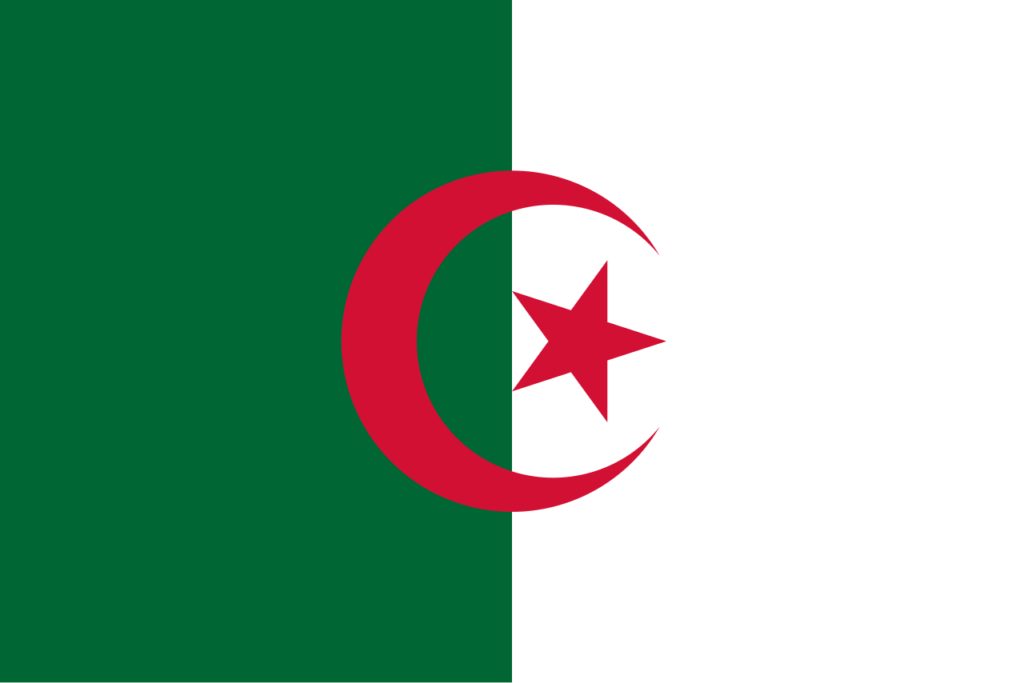
Up north, Algeria stretches across the Sahara, hiding oil and gas under endless dunes, Africa’s third-largest reserves, with 12 billion barrels of oil and 160 trillion cubic feet of gas. The Hassi Messaoud field alone pumps 500,000 barrels daily, while In Amenas gas plant supplies Europe via pipelines under the Med.
Sonatrach, the state giant, dominates, exporting $50 billion yearly, propping up 95% of foreign exchange. Phosphates add flavor: Gafsa-like basins hold 2 billion tons, key for fertilizers feeding global farms, with output at 10 million tons amid pushes for downstream plants.miningdigital+1
Algeria’s story mixes pride and pain, gas pipelines to Italy and Spain make it Europe’s backyard supplier, dodging Russia post-Ukraine war. But protests rock the industry; youth demand jobs beyond rigs, where foreigners snag skilled roles. The desert rigs gleam with tech, yet sabotage and aging fields cut output 20% lately.
Green pivot looms: hydrogen from solar-rich sands could boom, with EU deals in talks. Phosphates fight soil poverty in Africa, but water scarcity hampers mining. Algerians boast “our gas lights Paris,” but inequality festers, oil billions build palaces while villages lack lights. Smart reforms could make Algeria a stable northern star.
5. Angola: Oil, Diamonds, and Gold
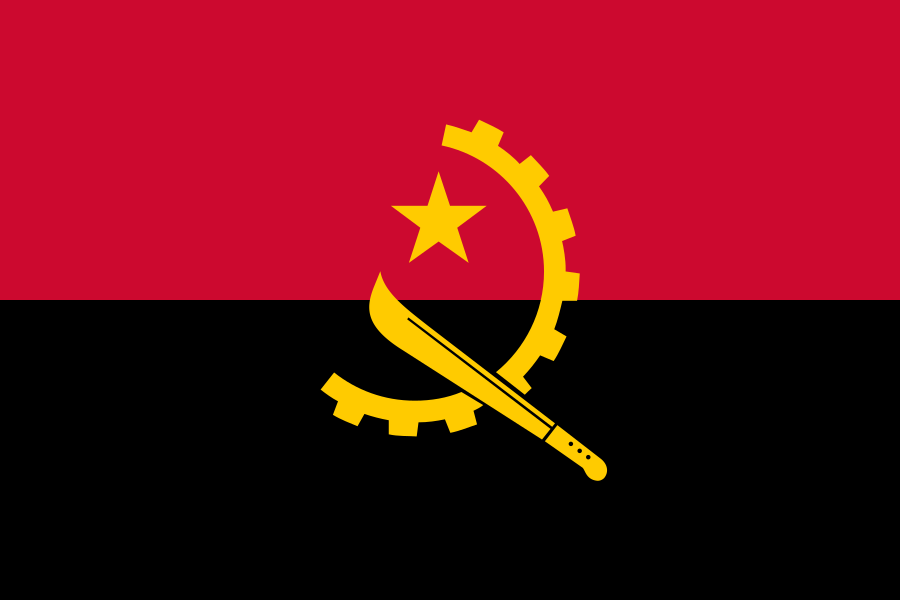
On Africa’s southwest horn, Angola dazzles with oil offshore, 8 billion barrels reserves, producing 1.1 million barrels daily from deepwater blocks like Block 17, operated by TotalEnergies. Diamonds glitter too: third in Africa at 10 million carats yearly from Lunda Norte’s alluvial rivers, where kids once panned but now mechanized ops shine. Gold trickles in from Cassiterite hills, with new finds pushing exploration; Cabinda fields hint at untapped billions.
Post-civil war, oil rebuilt Luanda’s glass towers, funding 70% of the budget via Sonangol. But “Angolagate” scandals siphoned $200 million in arms-for-oil deals. Diamonds, once blood-soaked, now ethical via Kimberley Process, exporting to De Beers. Gold rushes draw Chinese miners, sparking land grabs.
Environmentally, oil spills blacken Atlantic coasts, hurting fishermen. Recent wins: ExxonMobil’s $2 billion Agogo field starts in 2025, and diamond auctions fetching $80 million. Angola pitches itself as “investment haven,” with tax breaks luring majors. From war ruins to resource rush, it’s a comeback tale, could Angola’s gems finally benefit the diamond-in-the-rough people?
Read Next: Top 5 Most Famous African Authors Who Are Shaping Global Literature
Conclusion
These five African countries rich in mineral resources, DR Congo’s cobalt-copper duo, South Africa’s platinum-gold-chrome trio, Nigeria’s oil-gas-iron backbone, Algeria’s gas-phosphate flow, and Angola’s oil-diamond-gold mix, hold keys to global tech, energy, and bling. Together, they produce over two-thirds of Africa’s mineral wealth, worth hundreds of billions yearly.
Yet, challenges like conflict, corruption, and climate woes persist. The real win? Turning dirt into development, local processing, fair jobs, green tech. As demand surges for batteries and clean energy, these nations could leapfrog to prosperity, proving Africa’s underground riches build aboveground futures. Watch this space; the ground’s shifting.
Frequently Asked Questions
1. Which African country has the most cobalt?
DR Congo dominates with over 70% of global cobalt, vital for EV batteries, production tops 170,000 tons yearly.
2. Is South Africa still the top gold producer in Africa?
Yes, though output fell, it leads with historic Witwatersrand riches and steady 100 tons annually.
3. How much of Nigeria’s economy relies on oil?
Oil and gas drive 90% of exports and 60% of budget, but diversification pushes iron ore and gas now.
4. Are Angola’s diamonds conflict-free today?
Mostly yes, thanks to Kimberley Process certification, producing 10 million carats ethically yearly.