The African fashion scene is now where bold prints from Johannesburg runways turn heads at Paris Fashion Week, where handwoven Nigerian fabrics drape celebrities on red carpets, and where tech-savvy shows from Congolese roots go viral millions of times over.
African fashion designers are no longer just whispering from the sidelines, they’re shouting loud, reshaping luxury wardrobes everywhere with stories straight from the continent’s heart. These creators blend age-old traditions with cutting-edge vibes, proving that African fashion designers aren’t following trends; they’re setting them.
From avant-garde twists on heritage to size-inclusive luxury that feels like the future, these five standouts are dragging global style into a fresh era. And in 2025, with runways buzzing from Lagos to London, their influence is everywhere, from Met Gala spotlights to sold-out collabs with giants like Dior. Buckle up as we dive into the top African fashion designers who are straight-up transforming how the world dresses.
1. Thebe Magugu: South Africa’s Avant-Garde Luxury King
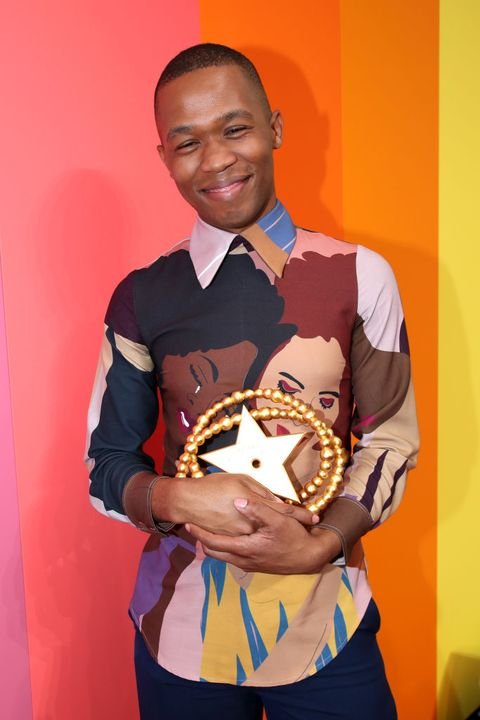
Thebe Magugu isn’t just designing clothes; he’s weaving South African history into every stitch, making high fashion feel like a gripping story you can’t put down. Born in the dusty mining town of Kimberley and now based in Johannesburg, this guy launched his label in 2017 with a clear mission: honor his roots while crashing the global luxury party.
By 2019, he made history as the first African designer to snag the LVMH Young Fashion Designer Prize, walking away with 300,000 euros and a year of mentoring from the big leagues. South Africa’s President Cyril Ramaphosa even praised him, calling his work inspiring for how it mixes artistry with real-world consciousness.
What sets Magugu apart is his “cultural intelligence”, turning complex themes like gender-based violence, feminism, and intergenerational trauma into wearable art. Take his “African Studies” collection from 2019: it tackled social justice with pieces backed by actual research docs, like visual essays you could frame. Then there’s “Alchemy,” diving into spirituality and womanhood in Southern Africa, or “Genealogy,” pulling from family photos and archives to explore heritage.
His stuff stocks at heavy-hitters like Browns, MatchesFashion, and Dover Street Market, and stars like Naomi Campbell, Rihanna, Lupita Nyong’o, and Zendaya can’t get enough. In 2025, he dropped eleven solo collections and teamed up with Dior, Adidas, and AZ Factory, keeping his Johannesburg studio as the heartbeat, proving African luxury doesn’t need to leave home to shine.
Magugu’s brand screams “self-evolving timelessness.” It’s not stuck; it bends with the times, mixing sleek futurism with motifs from Africa’s past. Entrepreneurs watch him closely because he nails what makes a brand stick: courage in storytelling, top-tier quality, and smart grabs at global spots like competitions. No wonder his journey from Kimberley kid to runway ruler feels like the ultimate underdog tale. His clothes don’t just fit, they provoke, connect, and elevate, putting African fashion designers on maps that once ignored them.
Read More: Top 5 African Tech Hubs Reshaping Africa’s Economic Future
2. Anifa Mvuemba: Tech-Forward Magic with Hanifa
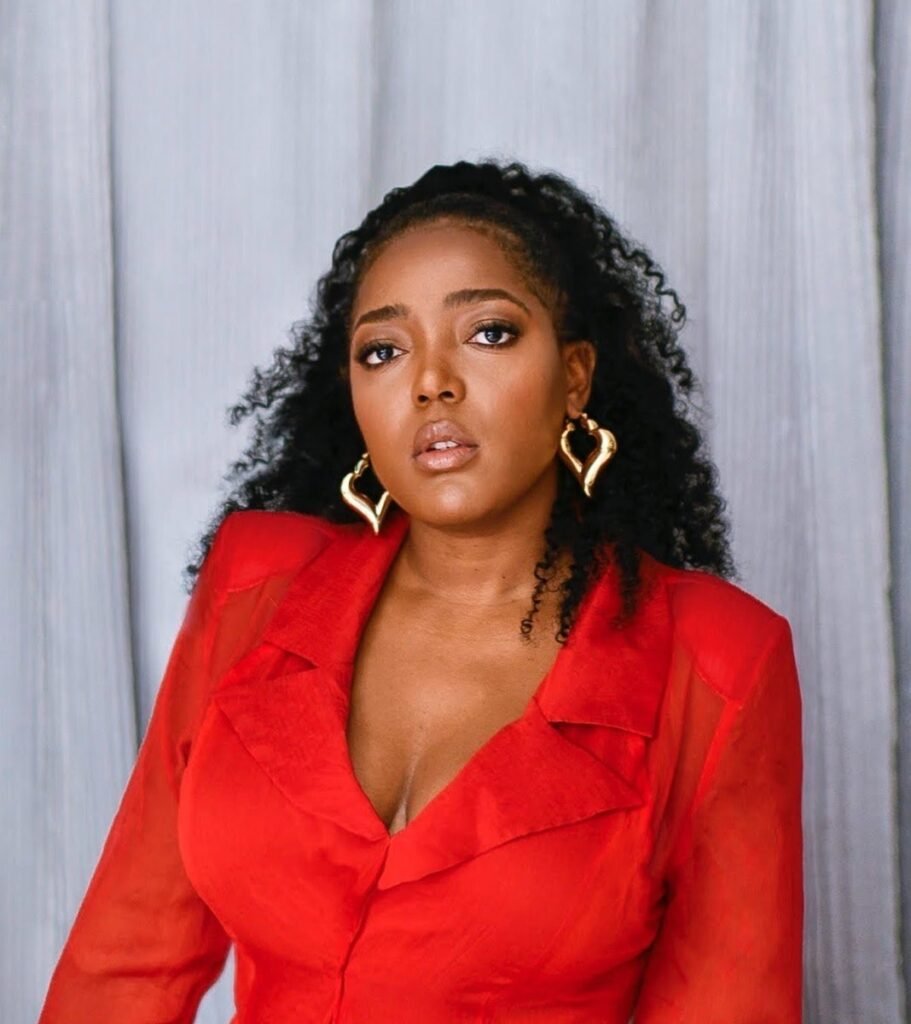
If you’ve scrolled Instagram in the last few years, you’ve probably stumbled on Anifa Mvuemba’s Hanifa and thought, “Whoa, that’s next-level.” This Congolese-American powerhouse, who kicked off her womenswear brand in 2011, flipped the script in 2020 with the world’s first 3D virtual runway show.
Picture invisible, curvaceous models strutting her Pink Label Congo collection, over 144,000 views and counting, all inspired by her mom’s tales from the Democratic Republic of Congo. It was a game-changer, especially during lockdowns, and proved African fashion designers could lead in tech without losing soul.
Fast-forward to 2025, and Hanifa’s Fall/Winter 25 collection is all about duality: bold contrasts in sculptural fur coats, fluid knitted dresses, structured two-pieces, shirt dresses, T-shirts, and ruffled gowns. Sizes 0 to 20, always, because Mvuemba designs for real women, with that joyful, feminine edge that hooks celebs like Tracee Ellis Ross, Gabrielle Union, Coco Jones, and Jennifer Hudson.
Her direct-to-consumer model skips the middleman, keeping things authentic and accessible. And she’s all in on social good; that Colette T-shirt from an earlier drop sent 20% of proceeds to fight illegal Coltan mining in Congo, blending style with purpose.
Mvuemba’s rise screams independence. She learned the hard way about chasing industry validation, now she sets her own rules, creating digitally and dropping collections that feel personal yet universal. Her innovation isn’t gimmicky; it’s smart, like those 3D shows that inspired millions and redefined virtual fashion. Hanifa’s not just dressing bodies; it’s empowering them, one inclusive, drapey masterpiece at a time. In a world of cookie-cutter luxury, she’s the breath of fresh, techy air from African fashion designers shaking things up.
3. Laduma Ngxokolo: Modern Xhosa Knitwear Revolution with Maxhosa
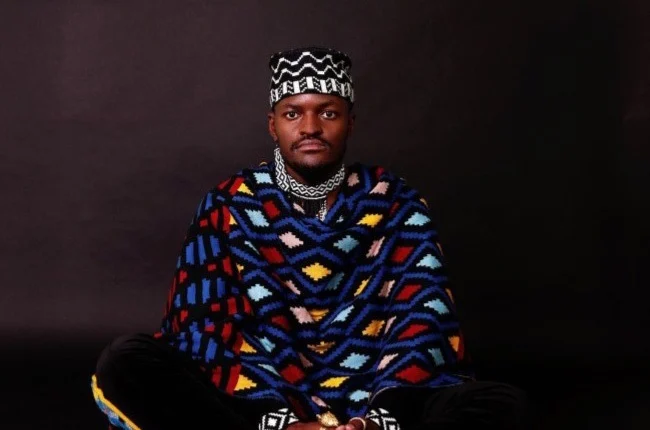
Laduma Ngxokolo grew up in Port Elizabeth (now Gqeberha), South Africa’s poorest province, haunted by one big question: What makes a man? That curiosity birthed MaXhosa Africa in 2011, a luxury knitwear line exploding Xhosa heritage into global stardom. This 38-year-old visionary turned traditional motifs into contemporary fire, dressing Michelle Obama, Beyoncé, and Alicia Keys while building an empire on cultural pride. His mom’s influence? Huge, she sparked the career that now disrupts Western-dominated fashion with unapologetic South African flair.
Maxhosa’s Fall 2025 ready-to-wear is pure energy, tapping into fresh perspectives amid luxury market shakes from geopolitics. Ngxokolo admits they’ve hit just 2% of their potential, but with pieces in major South African markets and beyond, they’re gearing up. He’s a “head diplomat” for Xhosa culture, pushing job creation and economic boosts through the Lindelwa Foundation, honoring his late mom with student support and mentorship.
Nearly all MaXhosa gear is made in South Africa, preserving craft and feeding communities. Critics once hit him with “How dare you charge luxury prices?” He flipped it by opening up about materials and makers, turning skeptics into superfans.
Ngxokolo’s no sellout; MaXhosa advocates culture over commerce. From local runways to international celebs, he’s mainstreamed cultural clothing, inspiring others to own their roots. As he eyes bigger markets, his blend of heritage and hype shows African fashion designers can luxury-up without selling out. It’s not just knitwear, it’s a movement, proving style with story sells.
Read Next: Top 5 Popular African Dishes You Must Try in 2026
4. Kenneth Ize: Handwoven Textiles Master from Nigeria
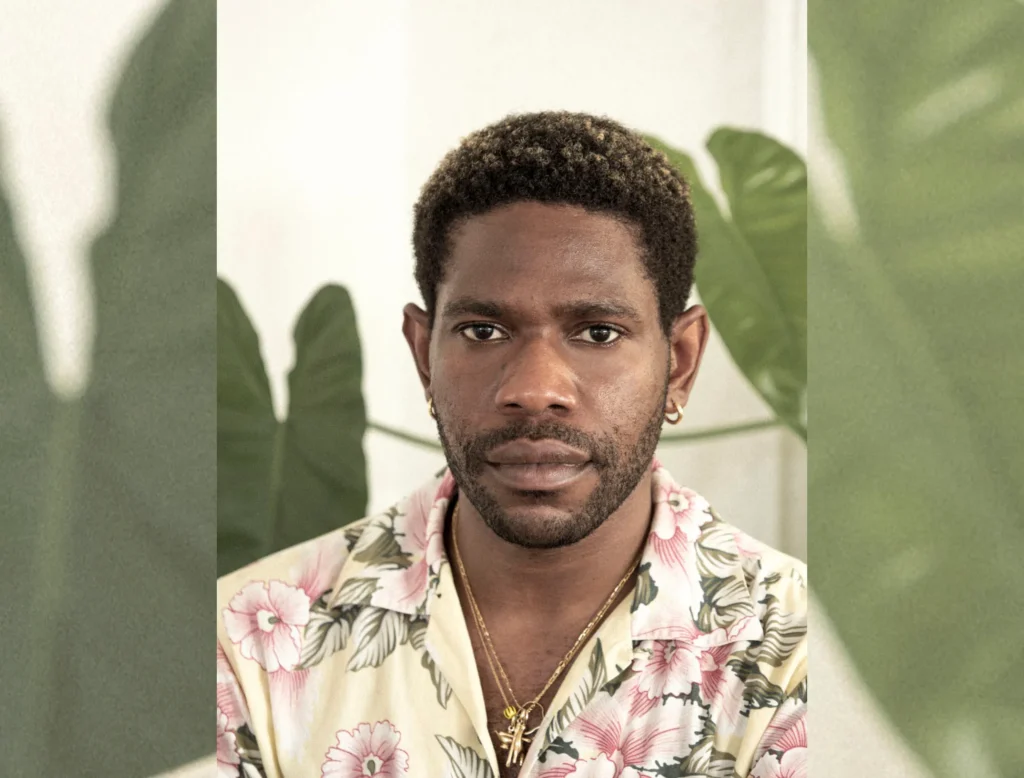
Kenneth Ize, Lagos-born and Austria-raised, is the guy mixing Nigerian craft with sharp tailoring like it’s no big deal. Launching his label in 2013, he reinterprets West African fabrics, think fringes, stripes, and artisan weaves, into unisex stunners that scream identity. By 2019, he was LVMH Prize finalist and joint Arise Fashion Week Designer of the Year, then collabed with Karl Lagerfeld on a capsule. That cash? Bought land for Nigeria’s biggest weaving factory in Ilorin, pumping life into local jobs.
His SS21 digital drop, backed by a mural from Namibian artist Maty Bianyenda, mixed pandemic vibes with bold stripes. Naomi Campbell closed his 2018 Lagos show, proving his “mix what doesn’t fit” motto works. Now stocking at Ssense, Browns, and Machine-A, Ize’s womenswear expansion keeps growing. His spring/summer 2020 teamed with SAGAN Vienna for bags, showing his collab game is strong. It’s all about reviving techniques that define West African soul, giving them fresh context.
Ize’s meteoric rise? Rooted in trust-building, first big show in Lagos to win over his people. His factory hums, blending Nigerian hands with global appeal. African fashion designers like him prove textiles aren’t relics; they’re rocket fuel for luxury, one handwoven thread at a time.
5. Ozwald Boateng: Ghanaian Flair Meets Savile Row Power
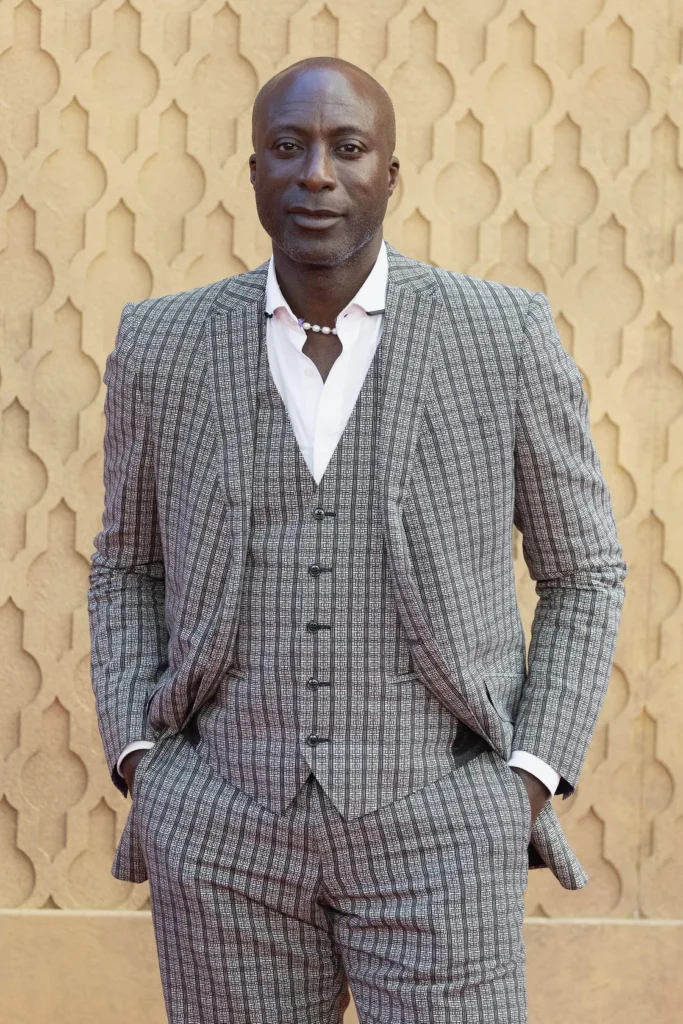
Ozwald Boateng, born 1967 in London to Ghanaian parents, turned Savile Row upside down at 28 with his 1995 Vigo Street shop, the youngest ever. Fusing British tailoring with Kente-inspired colors and West African boldness, he dragged the old guard into the modern age.
By 2003, Bernard Arnault tapped him as Givenchy menswear Creative Director, reinventing it for today’s man. Fast-forward to 2025 Met Gala, “Superfine: Tailoring Black Style”, where his deep-toned silks, Yoruba nods, and ceremonial cuts wowed Jaden Smith, Burna Boy, Tems, and Ncuti Gatwa. Celebrating 40 years, he’s the suit king blending armor-like elegance with resistance.
Boateng’s aesthetic honors Ghanaian heritage while nodding Savile Row roots, never rigid, always aware. He’s OBE-honored, REACH committee member raising Black boys’ aspirations, and Made in Africa co-founder, pushing infrastructure and investment back home. From Zoot suits to Sapeurs, his work traces Black style’s power. His bespoke for the Met exhibit cements him as tailoring’s transformer.
Boateng doesn’t chase; he leads, proving African fashion designers can own British institutions. His suits? Not just clothes, statements of heritage and hustle.
Read Also: 5 African Countries Richest in Mineral Resources You Should Know
Conclusion
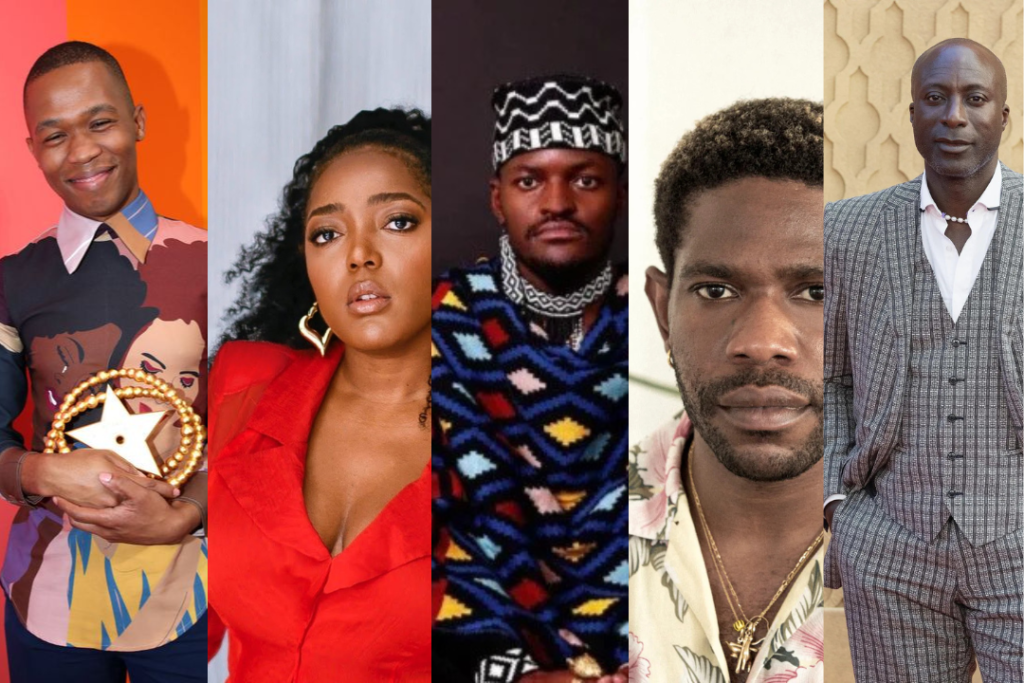
These African fashion designers, Thebe Magugu, Anifa Mvuemba, Laduma Ngxokolo, Kenneth Ize, and Ozwald Boateng, aren’t just dressing the world; they’re rewriting its style playbook. From LVMH wins to Met Gala dominance, their strides show Africa’s creativity is luxury’s new frontier. They’re boosting economies, preserving crafts, and inspiring generations, one bold piece at a time. The global scene? Forever changed, thanks to these trailblazers.
Frequently Asked Questions
Who are the top African fashion designers right now?
Thebe Magugu, Anifa Mvuemba (Hanifa), Laduma Ngxokolo (Maxhosa), Kenneth Ize, and Ozwald Boateng lead with their unique blends of heritage and innovation.
What makes Thebe Magugu’s work stand out?
His storytelling on South African issues like feminism and trauma, plus LVMH win, with collabs like Dior.
How did Hanifa pioneer tech in fashion?
Anifa Mvuemba’s 2020 3D virtual show went mega-viral, now her FW25 duality pieces rock inclusivity.
What’s Maxhosa Africa’s big impact?
Laduma Ngxokolo modernizes Xhosa knitwear, celebs love it, and it boosts South African jobs via foundations.
Why is Kenneth Ize a textile game-changer?
Handwoven Nigerian fabrics in global luxury, own factory, LVMH finalist, Naomi Campbell closer.