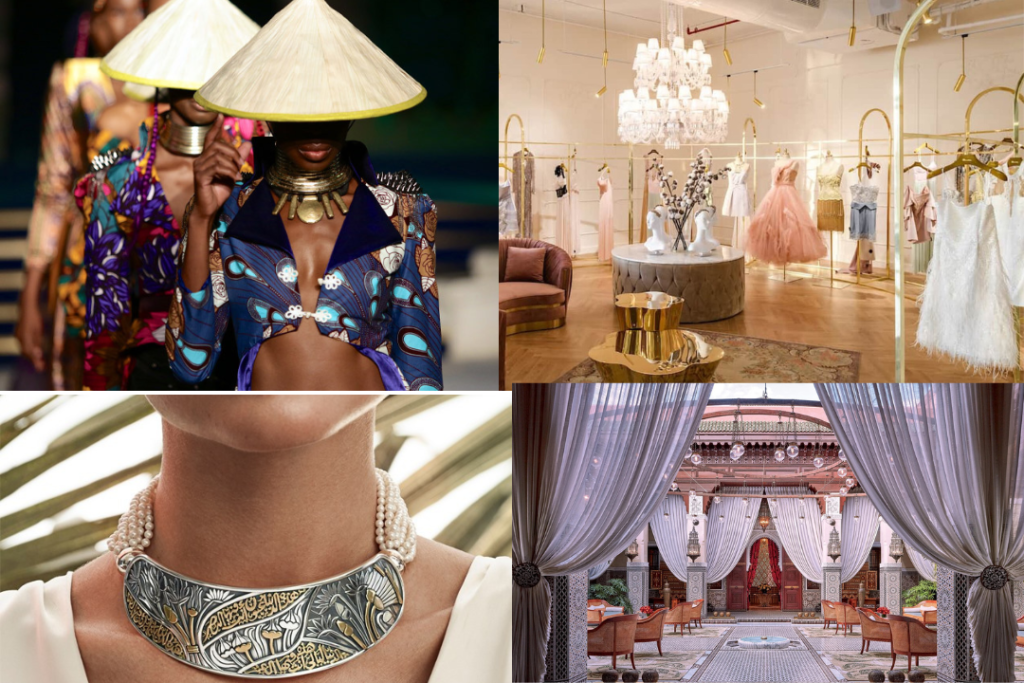
The African luxury scene is emerging in the international spotlight in 2026, and African luxury brands that are getting more recognition are doing it with confidence. These African luxury brands are embracing their history, exclusivity, and international designs, which put them side by side with other well-established luxury powerhouses.
African luxury brands are now present on international fashion fronts, high-end accommodations, as well as international lifestyle markets. However, apart from the appeal and status, these brands have even more relevance.
They provide jobs, as well as high-value tourism, and to project the African identity through craftsmanship and story-telling. With sustainable fashion brands, super-premium hospitality, and exclusive jewelry, African luxury is a function of rarity, authenticity, and innovation triggered by African culture.
Although international luxury brands make regular headlines, Africa has been quietly growing its giants. These local brands are rewarded with high prices, endorsement by celebrities, and flagship store representations evident of power and recognition. These brands are no longer seeking to be validated.
They are establishing standards and defining the future of luxury with a distinctive African flair. Here are carefully selected examples of the top 5 African luxury brands that are making a name for themselves globally in 2026, led by innovation in fashion, hospitality, jewelry, and lifestyle categories.
Table of contents
- Top 5 African Luxury Brands
- 1. Maxhosa Africa (South Africa) – Heritage Knitwear Goes Luxury Worldwide
- 2. Royal Mansour (Morocco) – The Gold Standard of African Luxury Hotels
- 3. Jewel by Lisa (Nigeria): African Jewelry with Global Appeal
- 4. Tongoro (Senegal): Sustainable Luxury With Global Appeal
- 5. Azza Fahmy (Egypt): Timeless Jewelry Rooted in History
- Why African Luxury Brands Are Succeeding Internationally
- Conclusion
- Frequently Asked Questions
Top 5 African Luxury Brands
There are five Africa luxury brands that are known to be increasingly in the limelight, looking towards 2026, blending their rich heritage with modern design. Luxury brands from Africa have enjoyed fame through celebrity endorsements and runway shows, as well as expansion into international markets.
1. Maxhosa Africa (South Africa) – Heritage Knitwear Goes Luxury Worldwide
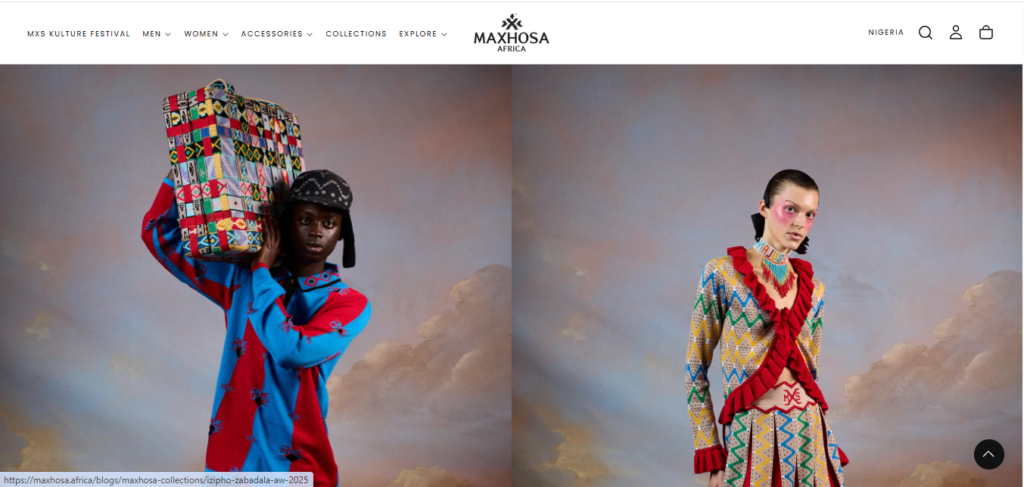
Maxhosa Africa has established its reputation through the infusion of deep heritage into modern luxury. The Maxhosa Africa was established by Laduma Ngxokolo. This brand incorporates heavily from the beadwork, symbols, and traditions of the Xhosa culture into luxurious knits. It feels bold and luxurious.
The designs leap out at you straight away. And it’s not just a matter of golf shirts with patterns, sculpturesque dresses, and skirts, because every single item in her collection holds a visual narrative based on the East Cape. There is a rich texture to her fabrics, a thoughtful attention to her craft, and a local industry backing her work that knows the language of her design narrative. This isn’t mass-produced or mass-market luxury, it’s personal.
What puts Maxhosa Africa on the international platform is its self-assurance in identity. Maxhosa Africa is never trendy. It offers African identity as luxury itself. As such, this brand has been showcased on international runways and among international celebrities. Maxhosa Africa is distinctively established as a fashion house that competes effectively among equal luxury knitwear brands on the international platform.
Aside from its influence on the fashion industry, Maxhosa Africa has a certain role socially and economically as well. It retains our local heritage, provides expert employment, and sparks global attention regarding designs from Africa. It is a testament to the ability of African luxury brands to go global without losing themselves along the way.
Don’t miss out to read – Top 5 African Fashion Designers Who Are Changing the Global Fashion Scene
2. Royal Mansour (Morocco) – The Gold Standard of African Luxury Hotels
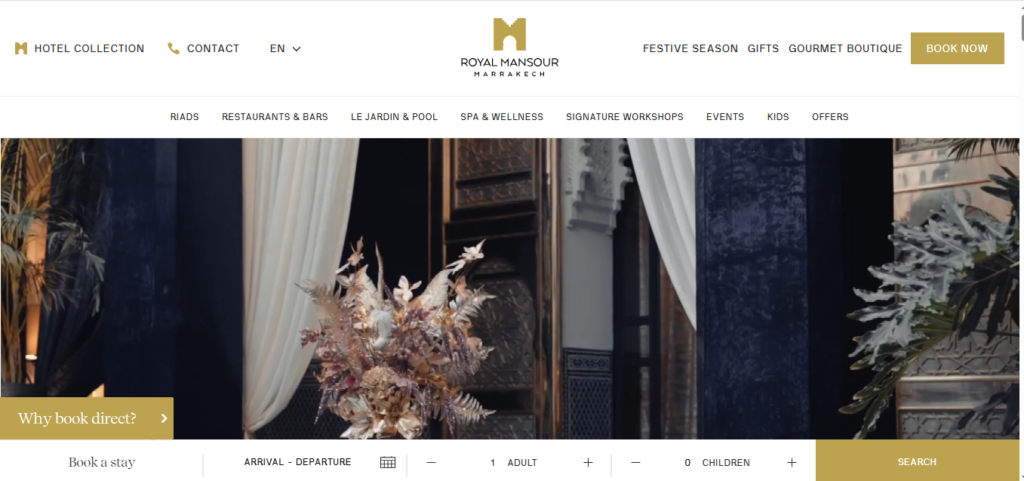
The Royal Mansour Hotel is not only a hotel. It symbolizes what the African luxury brands are capable of. The Royal Mansour Hotel, established in Marrakech and owned by the royal family of Morocco, provides the same level of privacy, craftsmanship, and quality of services offered by the top resorts of Europe and the Middle East.
What makes Royal Mansour special is its attention to detail. Guests do not stay in rooms. They stay in private riads, each with its own courtyard, rooftop terrace, and personal butler. The architecture reflects traditional Moroccan design, but everything feels polished, modern, and timeless. Every tile, wood carving, and fabric is handcrafted by local artisans, many of whom come from families that have practiced these skills for generations.
Internationally renowned luxury travellers appreciate the Royal Mansour because it is something completely different. It doesn’t aspire to be Paris or Dubai. But it has the confidence to declare Moroccan-ness a luxury in its own right. And there speaks a truth deeply resonant with the
wealthy travelers bored by the same old copy-and-paste luxury experience everywhere else.
Royal Mansour has become a benchmarking brand in international hospitality ratings. It lures movie stars, diplomats, fashion queens, and members of royalty. But there is also its major role of providing a massive number of employment opportunities, preserving a centuries-old craft that would otherwise be lost. This is luxury in Africa.
3. Jewel by Lisa (Nigeria): African Jewelry with Global Appeal
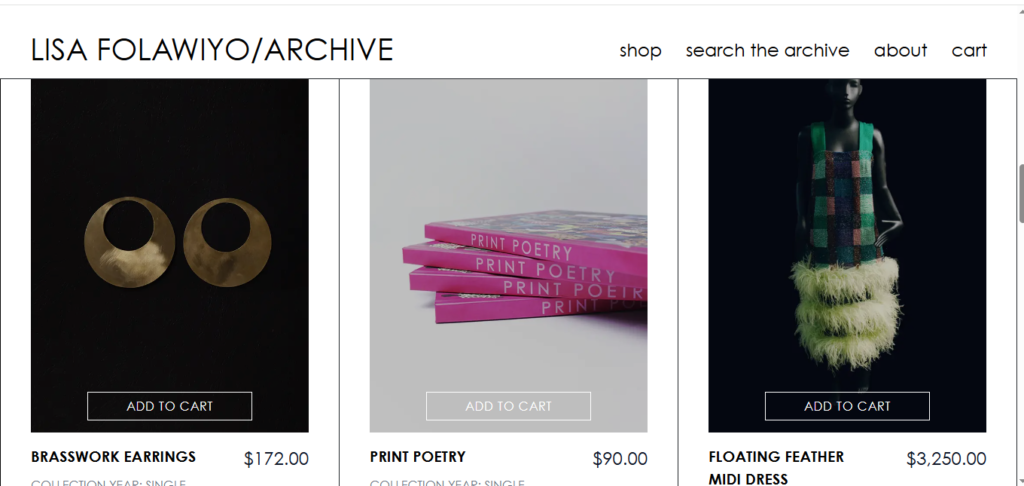
Luxury jewelry represents emotion, meaning, and craftsmanship. What Jewel by Lisa does so beautifully is all these three things. The company, founded by Lisa Folawiyo, combines African motifs with what notches the brand out as more of a luxury brand: modern design motifs and functionality.
In this brand, stories are retold through precious stones, metals, and local patterns. Every item conveys an element of African culture without looking like costume jewelry. Achieving this act is not easy. That is why this brand appears distinct in the saturated international market place.
Jewel by Lisa attracts international clients who are centered on meaningful luxury. Notably, the brand targets mostly female customers who are looking for jewelry that incorporates their identity, power, or uniqueness. The brand targets the pain point associated with individuals who purchase luxury but get bored with generic designs that lack a story.
Jewel by Lisa by Lisa White also has a cultural significance. The brand redefines the concept of African jewelry from souvenir art to luxury. Encountering such a change can open many more doors.
Take out time to read – Top 5 African Tech Hubs Reshaping Africa’s Economic Future
4. Tongoro (Senegal): Sustainable Luxury With Global Appeal
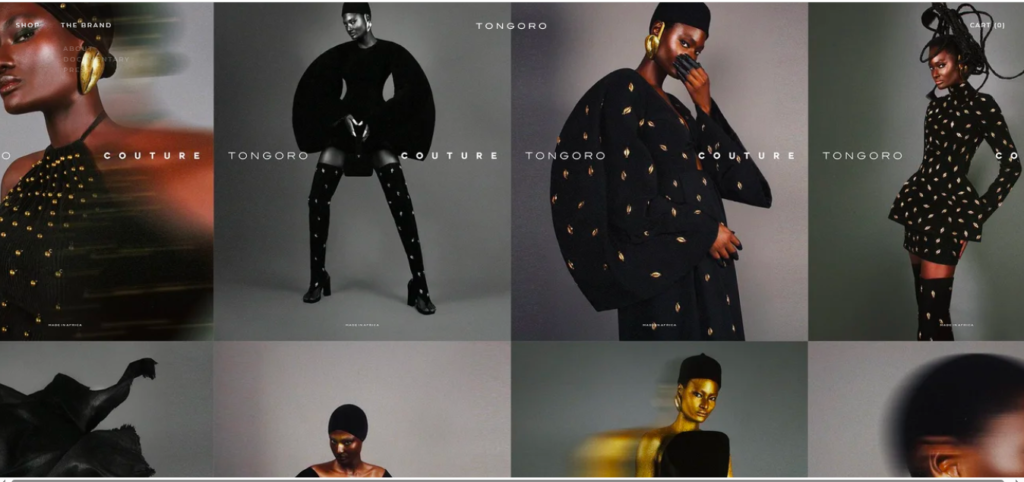
Tongoro represents a new generation of African luxury brands rooted in sustainability and restraint. Founded by Senegalese designer Sarah Diouf, the brand produces ready-to-wear luxury using locally sourced fabrics and traditional West African techniques.
The designs feel clean and confident. Monochrome palettes, sharp tailoring, and gender-neutral silhouettes define Tongoro’s aesthetic. Everything is produced in Senegal, with local artisans playing a central role in the process. This gives the brand credibility in a luxury market that increasingly values ethics and transparency.
Tongoro gained global attention after being worn by international celebrities, but it didn’t lose its focus. The brand has grown through global retail platforms, fashion weeks, and a strong Dakar presence while staying true to slow fashion principles.
What makes Tongoro resonate globally is balance. It offers luxury without excess and culture without cliché. That approach has positioned it as a reference point for sustainable African luxury on the world stage.
5. Azza Fahmy (Egypt): Timeless Jewelry Rooted in History
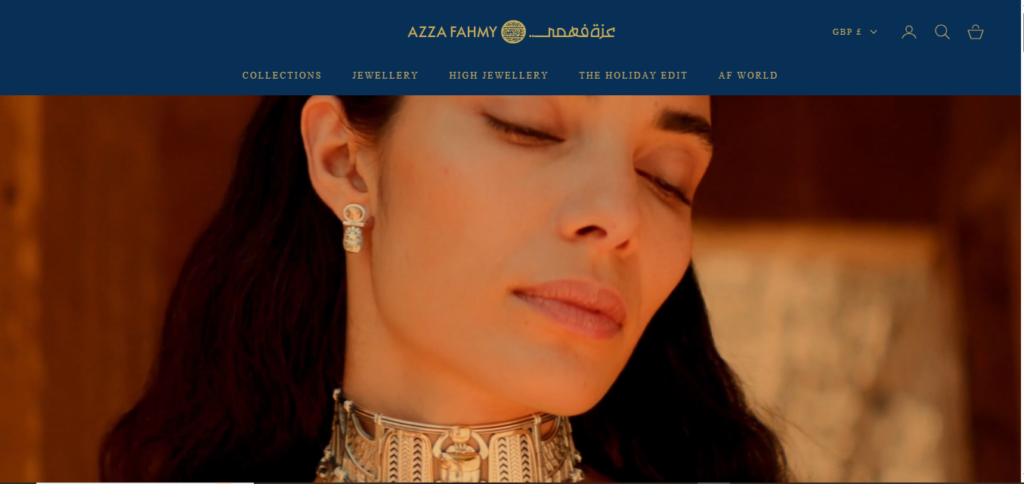
Azza Fahmy is one of the most iconic brands in Africa’s luxury jewels market. It was established more than 50 years ago by Azza Fahmy herself, the first woman to take formal training as a goldsmith in the historical Khan El Khalili in the city of Cairo. This brand integrates calligraphy from Arabian culture, symbols from the Pharaonic era, and Islamic geometry designs into luxurious jewels that are strong and meaningful.
Each piece carries a story. With the use of 21k gold, diamonds, emeralds, and precious stones, the brand is able to craft pieces that are poised between heritage and modernity. Recent releases in the world of high jewelry have launched Azza Fahmy into the limelight as an African brand that competes at the highest level while retaining its essence.
Today, the brand is run by the daughters of Azza Fahmy, who have taken the brand to new international grounds while remaining rooted in their heritage. With a host of craftsmen under employment, and showrooms in Egypt, Europe, and North America, and also featured on premier fashion platforms, it has become the go-to brand of choice by royals and international fashion icons. It continues to define the African luxury jewelry story of preservation, innovation, and distinctiveness.
Also take your time to read – Top 5 African Startups Disrupting the Tech Industry in 2026
Why African Luxury Brands Are Succeeding Internationally
African luxury brands are emerging as strong players in 2026. This is no accident. Several factors are at play. There is more curiosity among global consumers. They are looking for new stories and new looks. Social media has leveled the playing field. A designer in Lagos or Marrakech can sell his designs in Paris and New York without asking for approval.
But then there’s a more emotional aspect to it as well. A lot of people actually felt a lack of affiliation with mass-produced luxury goods. African luxury brands provide a level of connection to the products that they’re buying.
It’s a sense that it’s all been put together by hand, that it’s all been done with the intent of creating something that’s human.The customer knows where the materials come from. They understand the context in which everything
Another factor in this is confidence. These brands do not target Western luxury to copy. This is because they have their own standards. They price confidently, showcase confidently, and work together on their own rules in other countries.
Conclusion
The emerging African luxury brands gaining recognition on a global level in 2026 have also changed, to a certain extent, how people view luxury brands from Africa.
With a sense of history and a better understanding of what a global crowd wants, these brands have been able to infuse value, quality, and integrity into an industry fed up with mass production. They do not require acceptance; rather, they’re breaking barriers and showing that Africa has a voice when it comes to luxurious brands.
Frequently Asked Questions
Yes. Many African luxury brands show up these days at major fashion weeks, stockists, and international platforms. They are worn by international celebrities, found in upmarket stores, and covered in international media, particularly as there is a rising interest in authentic and sustainable luxury.
Brands of luxury goods from Africa are distinctive in that their roots are very embedded in their culture. Brands that emanate from this continent are inspired by heritage, either in terms of signs, skills, or stories that are handed down through generations.
A significant number of African luxury brands operate within the high-end market. The reason for this high-end positioning is that these brands command a high retail price due to skills and high-quality materials used, as well as size limitations.
Fashion, Jewelry, and Hospitality are the leading sectors in this category. Luxury Hotels, Fashion Brands, Concept Stores, and Luxury Jewelry Brands are the main drivers of Africa’s luxury reputation around the world. Lifestyle brands and Beauty brands are also increasingly moving into this category.