
African countries that experienced the foremost economic growth in the year 2026 are molding the future of the African continent. It is important for every nation to rely on its economic strengths.
In Africa, the African economic scenario has been changing, thanks to population, industrialization, natural resources, and the growing use of digital innovations in Africa.
These African countries are known not only for the size of their economies but also for their role within the development of the region.
In this article, the top 5 African countries in terms of economy in 2026 will be discussed. It should be noted that the compilation of such a list is linked to Gross Domestic Product (GDP), which serves as one of the most fundamental criteria in respect to tracking economies.
Now, let’s take a closer look at the African nations at the forefront of this movement, the driving forces in their success, and why their impact has never been more important.
Table of contents
Why Africa’s Economic Growth Story Feels Different in 2026
The African growth narrative has shifted. It’s no longer just about promise. It’s about delivery. Governments are turning policy problems into opportunities.
People are now investing. Technology is helping businesses grow. The farming industry is becoming intelligent. Energy projects are now going past the planning stages.
Another major consideration is demographics. Africa has the youngest population globally.
That youth vibrancy is reflected in technology, fashion, entertainment, fintech, logistics, and manufacturing. Growth in such an environment occurs at a quick pace.
Finally, let’s dive into the five African countries with the most rapidly growing economies in 2026 and what makes them noteworthy.
Don’t miss out on reading – Top 5 African Billionaires Driving Africa’s Economic Development
5 African Nations that have the Fastest-Growing Economies
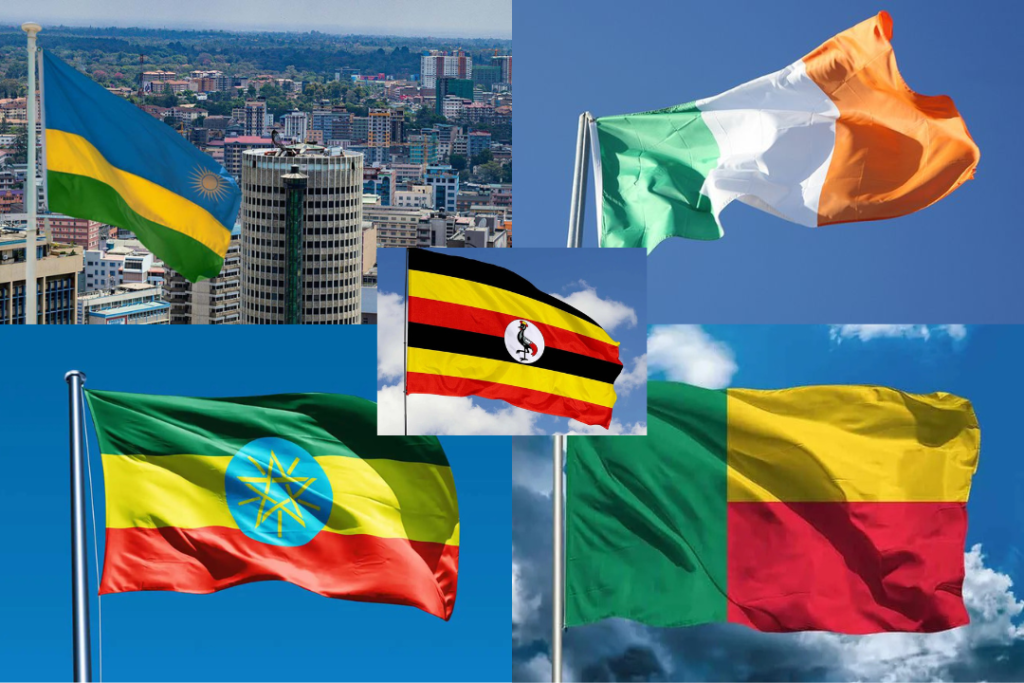
The IMF states that the fastest-growing economies in the world include the Benin Republic, Côte d’Ivoire, Ethiopia, Rwanda, and Uganda.
This was reported by Abebe Selassie, Director of the IMF’s African Department, during the presentation of the most recent Regional Economic Outlook report on Sub-Saharan Africa on Thursday, October 17. Now, let’s examine each one by one
1. Côte d’Ivoire (6.4%)
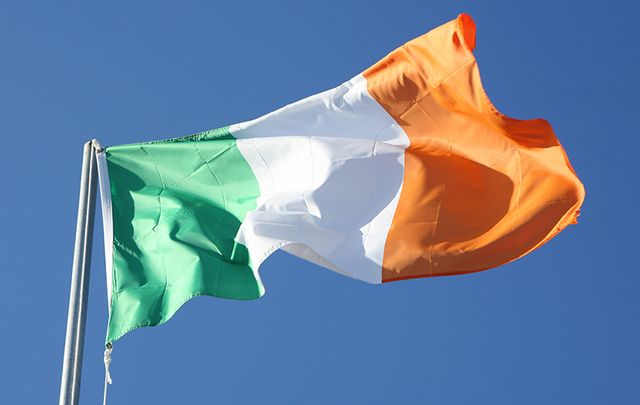
Macro-economic policies support the growth of Côte d’Ivoire in 2026. Infrastructure development in the country remains on course.
Projects are being undertaken in the area of transportation and communication networks that are allowing businesses to easily move their products. Domestic consumption continues to be strong due to the rising income in the city of Abidjan.
The country is also promoting agricultural value addition, instead of exporting raw cocoa products and cashews, as it has been doing until now. Higher domestic oil production is generating new domestic revenue, alongside the high world market prices for cocoa products and gold.
On the other hand, the Ivory Coast is also gradually developing into a financial services center in the region, with more banks and investment firms opening operations to boost economic growth.
2. Benin (6.7%)

The high growth rate in 2026 in Benin can be attributed to the effects of continued structural changes. Industrial production is on the rise, especially in Agribusiness and Textiles. This is where local manufacturing is helping the country generate foreign earnings from agricultural production.
Farming continues to be an important sector of the economy. It receives support through improved access to the market and advances in productivity.
Huge investments in the development of harbour facilities and trade infrastructure, particularly around the Port of Cotonou, are turning Benin into an important trade route for the subregion.
These developments are helping contribute to sustained growth and increasing economic optimism.
Take out time to read – Top 5 African Companies Revolutionizing Agriculture in 2026
3. Ethiopia (7.3%)
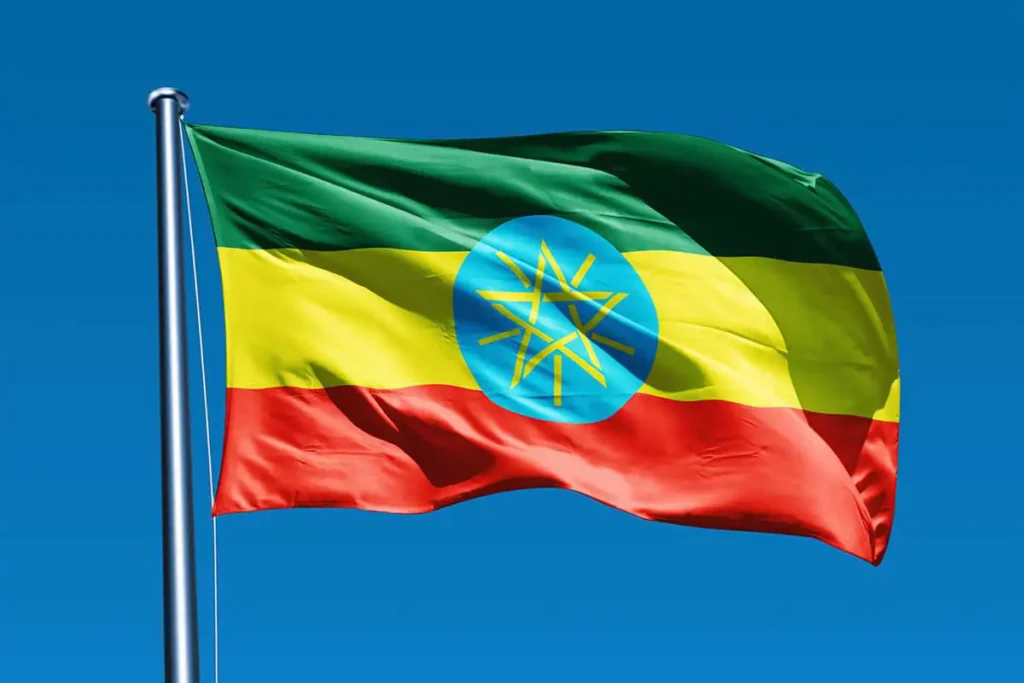
The growth of GDP in Ethiopia during 2026 will be encouraged through structural reforms and funding worth billions of dollars from various international organizations, such as the IMF and the World Bank.
After liberalizing the exchange rate in mid-2024, the government’s next major policy shift would be to concentrate on the enhancement of domestic revenues, improving the structure of public sector enterprises, and their debt restructuring.
However, high inflation, partly caused by the sharp fall in currencies triggered by the adoption of the floating exchange rate system, will also hold back economic expansion.
In addition, a postponement in reaching debt restructuring arrangements, the likely breakdown in a fragile peace agreement in the region of Tigray, and insurgencies in both the regions of Amhara and Oromia pose significant challenges to the forecast.
4. Rwanda (7.2%)
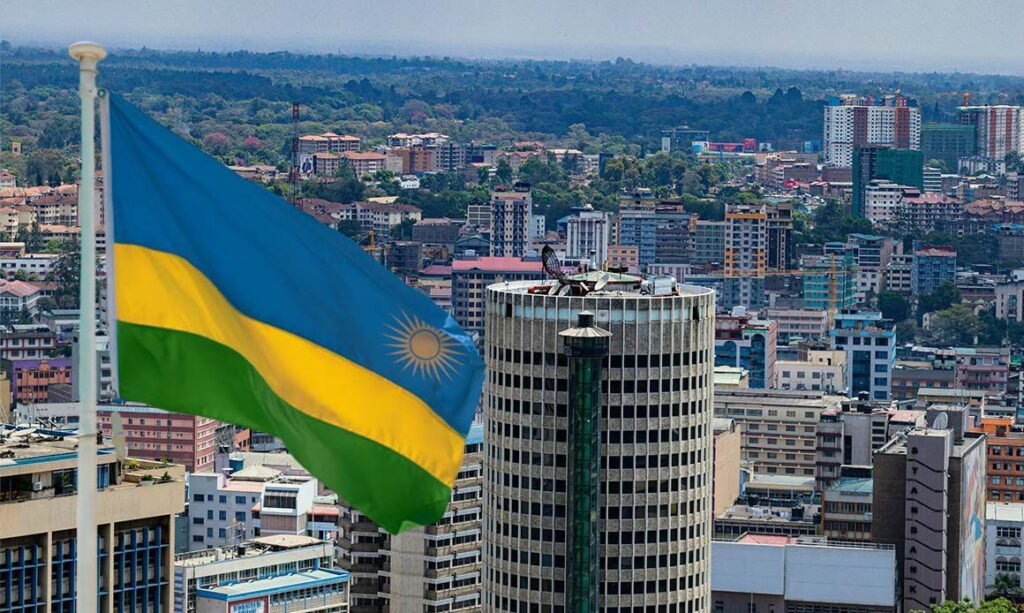
Rwanda’s economy has grown from strength to strength in the last few decades. Its GDP per capita has risen by more than ten times since the end of the genocide in the mid-1990s.
A politically stable atmosphere, absence of corruption, and an excellent development strategy led by the national government all contributed to its growth. For 2026, our panel members forecast broad-based GDP growth, with significant expansions in private consumption, investment, and exports.
The government expenditure will increase at a comparatively moderate pace because of some fiscal consolidation after a spending boost related to an election in 2024.
On the other hand, the government will continue to concentrate efforts on its “Made in Rwanda” program, designed to enhance local production, as well as big projects such as the construction of a new international airport that would make Rwanda a hub for traveling through Africa.
Make sure to also read – The Rapid Growth of Africa’s Tech Ecosystem in 2026
5. Uganda (7.0%)
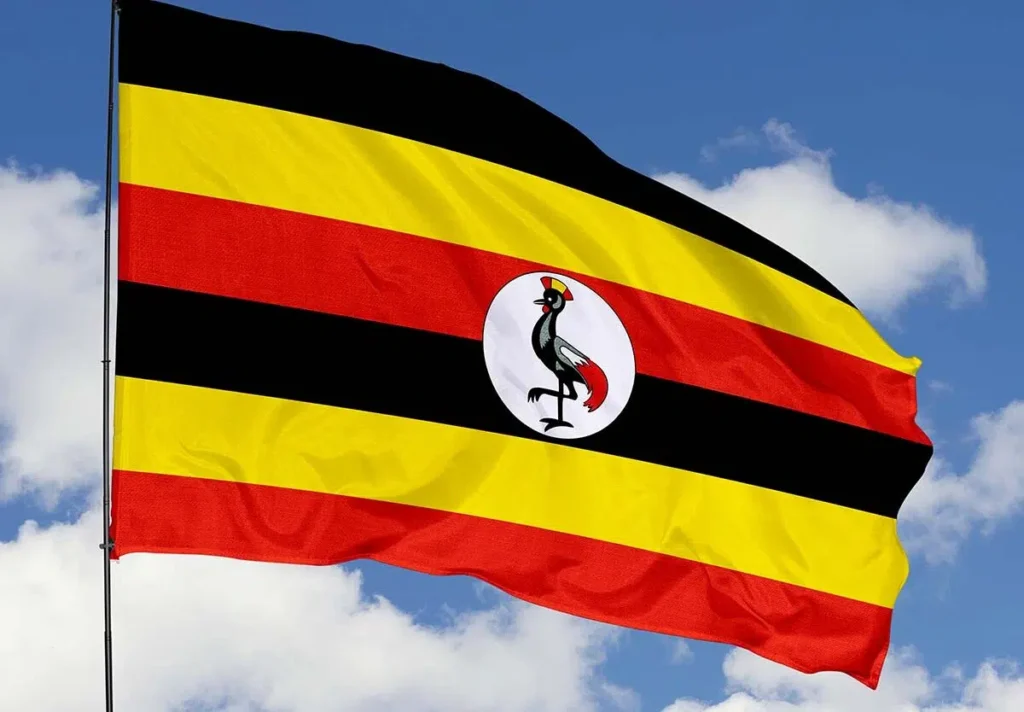
The GDP for Uganda in the year 2026 will mainly be boosted by massive investments resulting from the construction of a 1,400km oil pipe to Tanzania, among other oil investments.
There are likely to be fixed investments in the manufacturing and logistics sector, which will be helped by the growing dependence of the government on the use of public-private partnerships to supplement the budget.
In addition, the rollout of the standard-gauge railway between Uganda and Mombasa, as well as the expansion of special economic zones, shall also be key for the economy outside of the energy sector.
What All of This Means to the Average Citizen
Economic expansion is a concept that is better explained with examples. Economies that grow at faster rates typically mean more employment, more infrastructure, and increased wages.
For young people, it means start-ups and technology parks, and new industries. For small business owners, it means customers who can afford to shop. Then for farmers, it means access to markets and better farm equipment.
Of course, growth does not solve inequality and poverty. This depends on policy. However, without growth, improvement becomes more difficult.
Read more – 5 Fastest-Growing Sectors in Africa to Watch in 2026
Why 2026 Represents Such a Turning Point
2026 is notable for the fact that there is momentum in various parts of Africa simultaneously. East Africa, West Africa, and Southern Africa have shown some very strong runners.
The international investor community is taking notice. African entrepreneurs are ramping up faster. Technology lowers hurdles that previously hampered expansion.
The African nations are no longer waiting to be “discovered.” They are now making their own economic histories.
Conclusion
The African countries with some of the fastest-growing economies in 2026 demonstrate what’s possible through collaboration and opportunity. Rwanda defies size, and Senegal is the power of stability.
Ethiopia embodies size and strength. Côte d’Ivoire exemplifies industrial expansion. Tanzania promotes people’s expansion.
This is significant because it has a profound effect on people’s lives. More jobs are created, and more money is in people’s pockets, while a sense of progress is within reach. The story of economic progress in Africa in 2026 is not a promise but a
Frequently Asked Questions
The key sectors are: Agriculture, technology, manufacturing, energy, tourism, and natural resources.
A sustainable future is diversified, governed, and inclusive. Nations that focus on infrastructure, human capital, and stable policies are poised for success.
Rapid growth can also translate to more employment opportunities, infrastructure development, higher incomes, and access to services if inclusivity is achieved.