
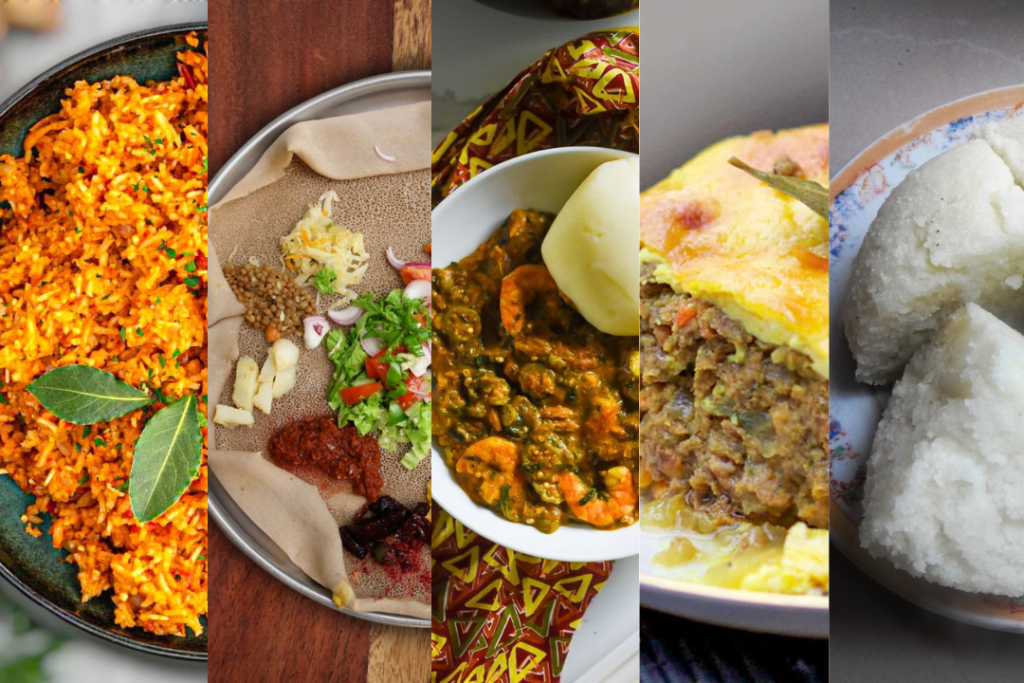
African dishes aren’t just food, they’re a riot of flavors, stories, and souls that pull you into the heart of the continent. From the fiery rice battles of West Africa to the spongy flatbreads of the Horn, these meals have been feeding families, fueling festivals, and now conquering the world.
As global food trends spotlight authentic, plant-powered eats (think UNESCO’s push for cultural heritage foods and the explosion of African cuisine on TikTok with over 2 billion #AfricanFood views last year), these top five African dishes are hotter than ever. Travelers, home cooks, and foodies are flocking to pop-ups in New York, London, and Dubai, while apps like EatOkra map out spots from Accra to Cape Town.
Why must you try them? They’re affordable, versatile, healthy (packed with veggies, grains, and proteins), and they tell Africa’s diverse tale, one bite at a time. Buckle up as we dive into the top five popular African dishes that’ll redefine your plate in 2026, starting with the undisputed queen of them all.
1. Jollof Rice (West Africa)
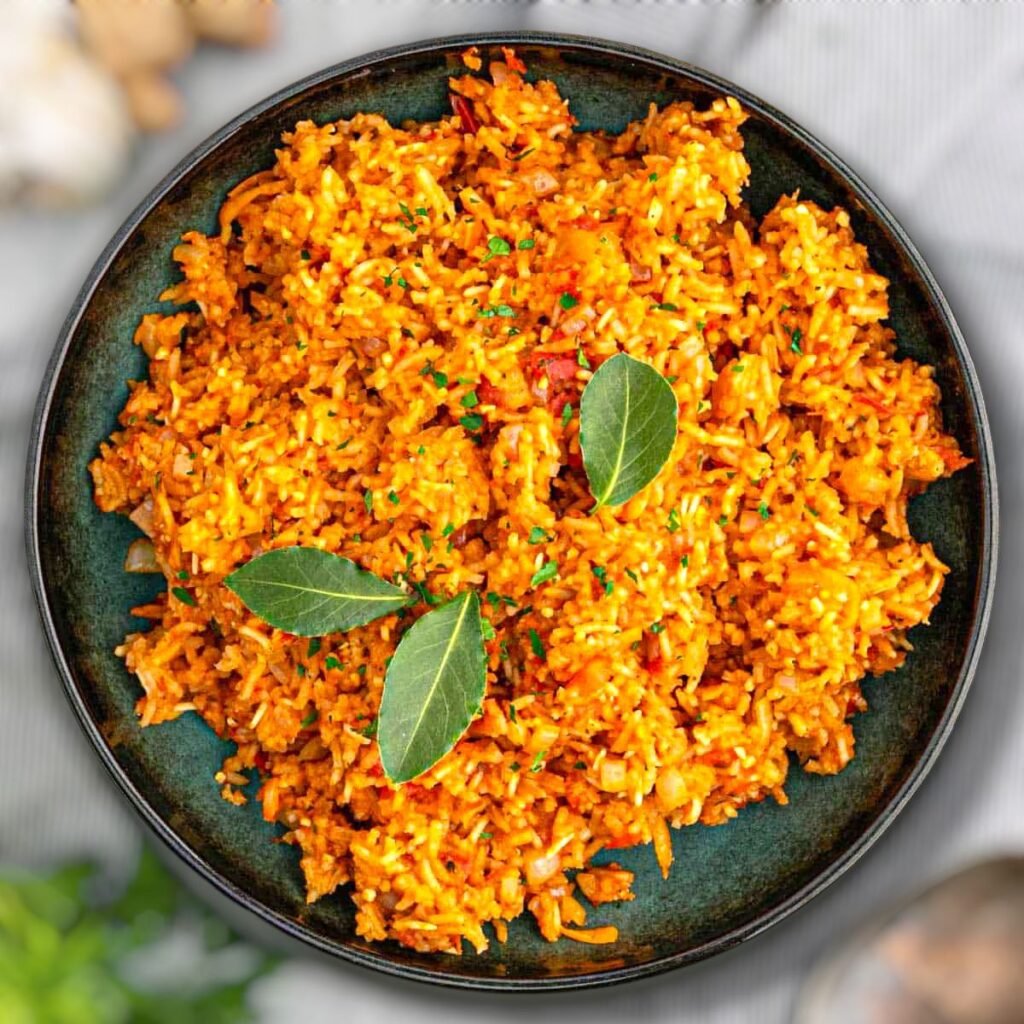
Jollof rice reigns supreme as West Africa’s gift to the world, a one-pan wonder that’s sparked endless “Jollof Wars” between Nigeria, Ghana, Senegal, and beyond. This fiery, tomato-based rice dish, studded with peppers, onions, and proteins like chicken or fish, exploded in popularity in 2025 thanks to viral challenges and celebrity shoutouts, think Burna Boy’s Grammy afterparty menu and its feature at the FIFA World Cup fan zones.
Originating from the 14th-century Wolof Empire in Senegal (as confirmed by historians like P.A. Talbot in “The Peoples of Southern Nigeria”), jollof has evolved into a staple across 15+ countries, with UNESCO eyeing it for intangible cultural heritage status by 2026.
What makes it irresistible? The magic’s in the stock, often from smoked fish or beef, simmered with Scotch bonnet peppers, ginger, garlic, thyme, and curry powder for that smoky, spicy depth. Nigerians swear by palm oil for richness; Ghanaians add shrimp and a touch of nutmeg. A basic recipe serves four: Rinse 2 cups of basmati rice, blend 4 tomatoes, 2 bell peppers, 1 onion, and 2 Scotch bonnets into a paste. Fry with 1/4 cup veg oil, add cubed chicken (marinated in ginger and stock cubes), pour in 3 cups broth, then layer parboiled rice on top. Simmer covered for 30 minutes till fluffy and caramelized at the bottom (that crunchy “party jollof” crust is chef’s kiss). Calories? About 400 per serving, loaded with lycopene from tomatoes for heart health.
Jollof’s going global, London’s Jollof Festival drew 10,000 fans in 2025, and U.S. chains like Sweetgreen are adding “Jollof Bowls.” Health twists include quinoa versions for gluten-free eaters, and it’s keto-friendly with cauli-rice swaps. Pair it with fried plantains or moi moi (bean pudding) for the full vibe.
Fun fact: During Ghana’s 2024 Independence Day, over 1 million plates were served nationwide. Whether you’re at a Senegalese thieboudienne feast or a Nigerian owambe party, jollof doesn’t just fill your belly, it ignites your taste buds and starts conversations. Trust me, once you try it, you’ll be team Nigeria or Ghana forever.
Read More: 5 African Countries Richest in Mineral Resources You Should Know
2. Injera and Wat/Tibs (Ethiopia/Eritrea)
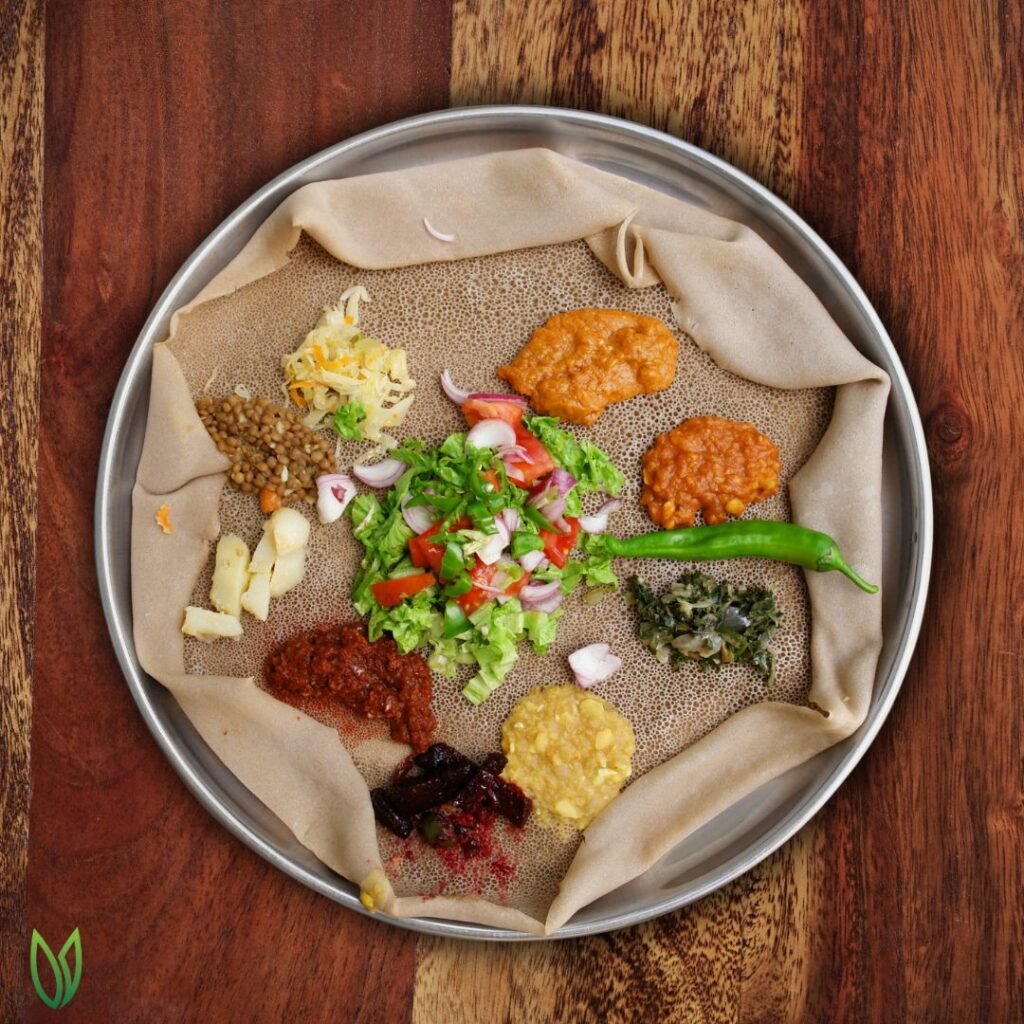
Step into the Horn of Africa’s ancient culinary kingdom with injera and wat (or tibs), a tangy, tear-and-share meal that’s been around since the Aksumite Empire over 2,000 years ago. This combo, soft, fermented teff flatbread scooped with spicy stews, shot up 300% in global searches in 2025 (per Google Trends), fueled by LA’s Little Ethiopia boom and stars like Lizzo raving about it on Instagram. Ethiopia’s teff, a tiny supergrain, is now a $1 billion export, with 2026 projections hitting stadium food at the Olympics.
Injera’s the star: a massive, sour pancake made from teff flour batter fermented 2-3 days (lactic acid gives that bubbly, crepe-like texture). No utensils needed, tear off pieces to sop up wat, a berbere-spiced stew of lentils, beef, or chicken. Berbere’s the fire: 16+ spices like fenugreek, cardamom, and chilies ground into powder. Doro wat (chicken stew) simmers onions for 45 minutes till caramelized, then adds hard-boiled eggs and spiced butter (niter kibbeh). Tibs? Sizzling beef or lamb cubes fried with rosemary, garlic, and awaze (chili paste) for a quick, smoky hit. Recipe for four: Mix 4 cups teff flour with water, ferment till bubbly, cook on a hot mitad griddle into 12-inch discs. For misir wat (lentil stew): Sauté onions in spiced oil, add 2 cups red lentils, tomatoes, and 2 tbsp berbere; cook low for 40 mins.
Nutritionally, it’s a powerhouse, teff’s gluten-free, iron-rich (18mg per 100g), and probiotic from fermentation aids gut health. In 2026, expect injera tacos at food trucks and vegan wats dominating plant-based menus (Ethiopian Airlines serves it in-flight now). Culturally, it’s communal: Families in Addis Ababa share from a single mesob basket during Timkat festivals. Eritrean variations use sorghum for earthier flavor. I’ve heard elders say eating injera connects you to ancestors, tear it wrong, and you’re in for playful ribbing. With climate-resilient teff farms expanding (per 2025 FAO reports), this dish is future-proof and utterly addictive.
3. Fufu and Soup/Stew (West and Central Africa)
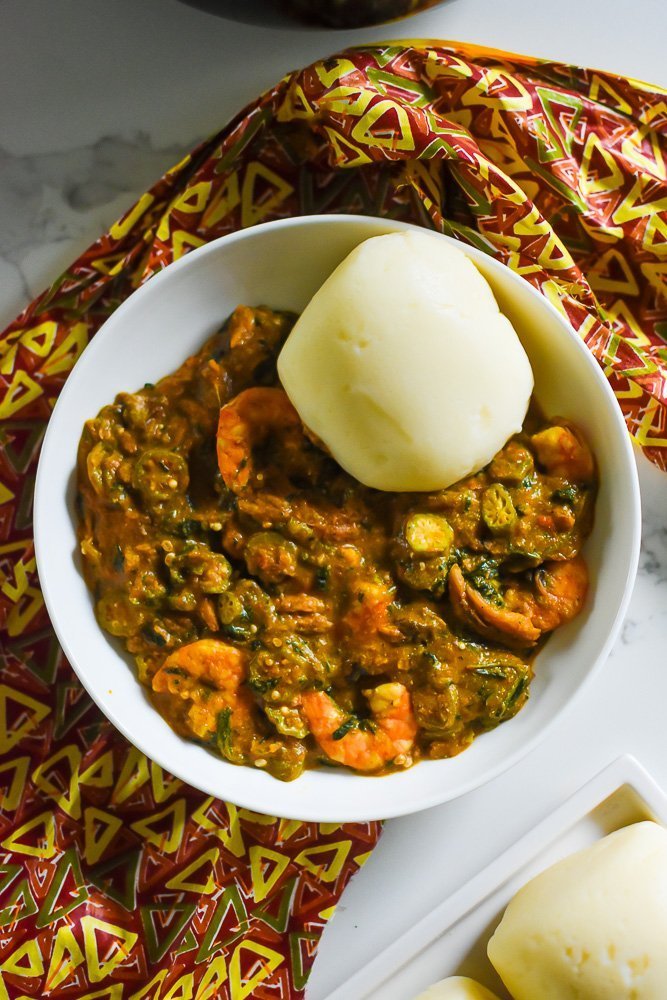
Fufu, the doughy powerhouse of West and Central Africa, paired with thick palm oil soups, is comfort food on steroids, smooth, stretchy balls pounded from cassava, plantains, or yams, dunked into egusi, palm nut, or light soups. This dish traces to the Akan people of Ghana around 1200 AD, spreading via trade routes to Nigeria, Cameroon, and DR Congo. In 2025, it trended hard on TikTok (#FufuChallenge: 500M views) and at Afrobeat concerts, with Davido hosting fufu-eating contests. Google Maps data shows 40% more “fufu near me” searches in U.S. cities.
How to make fufu? Boil peeled cassava/plantains till soft, pound in a mortar with a pestle (or blender for newbies), adding water for that elastic chew, no chewing required, just swallow with soup. Egusi soup (Nigeria): Grind melon seeds, stew with stockfish, ugu spinach, and crayfish in red palm oil; bitter leaf or okra variations add punch. Ghanaian fufu loves groundnut soup (peanuts, chicken, tomatoes). Central Africa’s saka saka (cassava leaves stew) brings smoky vibes. Serves six: 3 lbs cassava yields a mountain; soups simmer 1-2 hours for depth. Per serving: 350 calories, high-fiber cassava fights diabetes (WHO-backed studies).
Pounded yam air-fried for crispiness, or gluten-free banks from cocoyam. Its festival fuel, Igbo New Yam Festival in Nigeria serves 100,000 portions yearly. Health perks: soups burst with vitamins A/C from greens, proteins from bushmeat or fish. In Lagos markets, vendors compete on soup thickness (“swallow test”: does it gulp whole?). Fufu’s not fancy, but it’s love in a bowl, sticky fingers, bold flavors, and stories of grandma’s kitchen. Skip it, and you’re missing Africa’s hug.
Read Next: Top 5 African Billionaires Driving Africa’s Economic Development
4. Bobotie (South Africa)
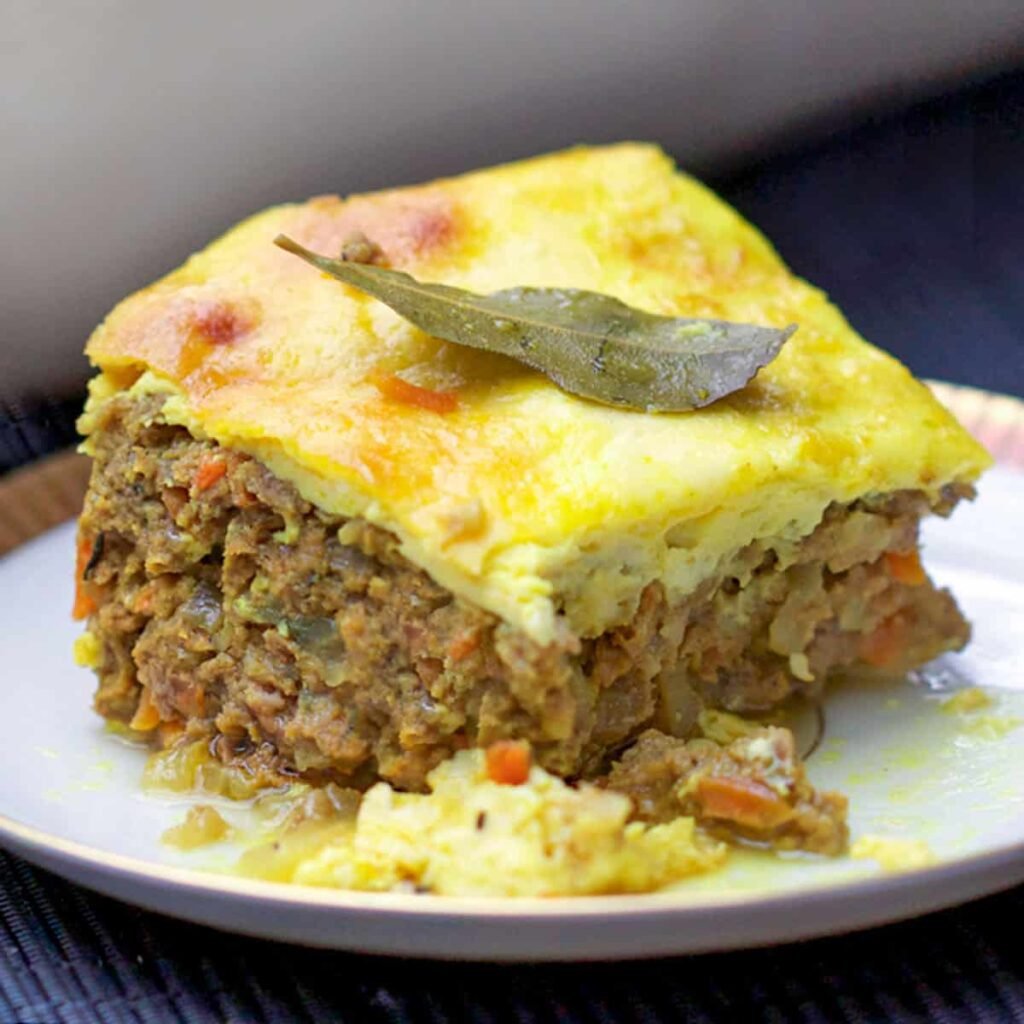
Bobotie, South Africa’s cozy sweet-savory mince bake topped with a golden egg custard, is like a spiced shepherd’s pie that warms your soul, blending Cape Malay, Dutch, and indigenous flavors from the 17th century. Born in the Cape Colony when enslaved cooks from Indonesia and Malaysia fused local game meats with European techniques (as detailed in “Cape Malay Cookbook” by Cass Abrahams), it was a clever way to stretch ingredients during harsh times.
Crowned TasteAtlas’s #1 South African dish in 2025, bobotie’s exploding globally thanks to “braai” (BBQ) culture at events like the Rugby World Cup fan zones and Heritage Day feasts, where over 500,000 portions vanish annually. Biltong (dried meat often mixed in) exports hit R2 billion in 2025 (AgriSA data), and it’s now on menus from Cape Town’s Bo-Kaap eateries to London’s Dishoom pop-ups.
The magic? A balance of heat, sweet, and tang: Brown 500g ground beef or lamb with 2 chopped onions, garlic, 2 tbsp curry powder, 1 tsp turmeric, a handful of raisins or sultanas, apricot jam or chutney, and a splash of vinegar for brightness. Stir in soaked bread (2 slices in milk) to bind, season with salt, pepper, and bay leaves. Layer into a greased dish, pour over egg-milk custard (3 eggs, 1 cup milk, pinch turmeric), and bake at 180°C for 35-45 minutes till puffed and golden. Serves 6; pro tip: Add slivered almonds or lemon zest for crunch. Clocking 450 calories per serving, it’s protein-packed (25g+), with turmeric’s curcumin fighting inflammation (backed by 2025 Lancet studies) and fruit adding fiber for gut health.
Regional twists keep it fresh, Western Cape versions go heavy on fruit for “sweet bobotie”; Eastern Cape adds brawn (pig’s head meat) for heartiness; vegan swaps use lentils, mushrooms, and coconut milk custard, riding the 2026 plant-based wave (Whole Foods predicts 40% menu growth). Health perks shine: Low-carb friendly, high in iron from meat, and antioxidants from spices. Culturally, it’s unity on a plate, post-apartheid South Africans share it at braais, symbolizing rainbow nation fusion.
Fun story: Nelson Mandela called it a favorite, served at state dinners. In 2026, watch for bobotie bowls at fitness retreats (keto-adapted) and airport lounges ( SAA added it mid-2025). Pair with yellow rice and chutney for the full feast. It’s not just dinner; it’s a hug from the Cape, pulling Dutch ovens, Malay spices, and African resilience into every comforting bite.
5. Ugali (Tanzania)
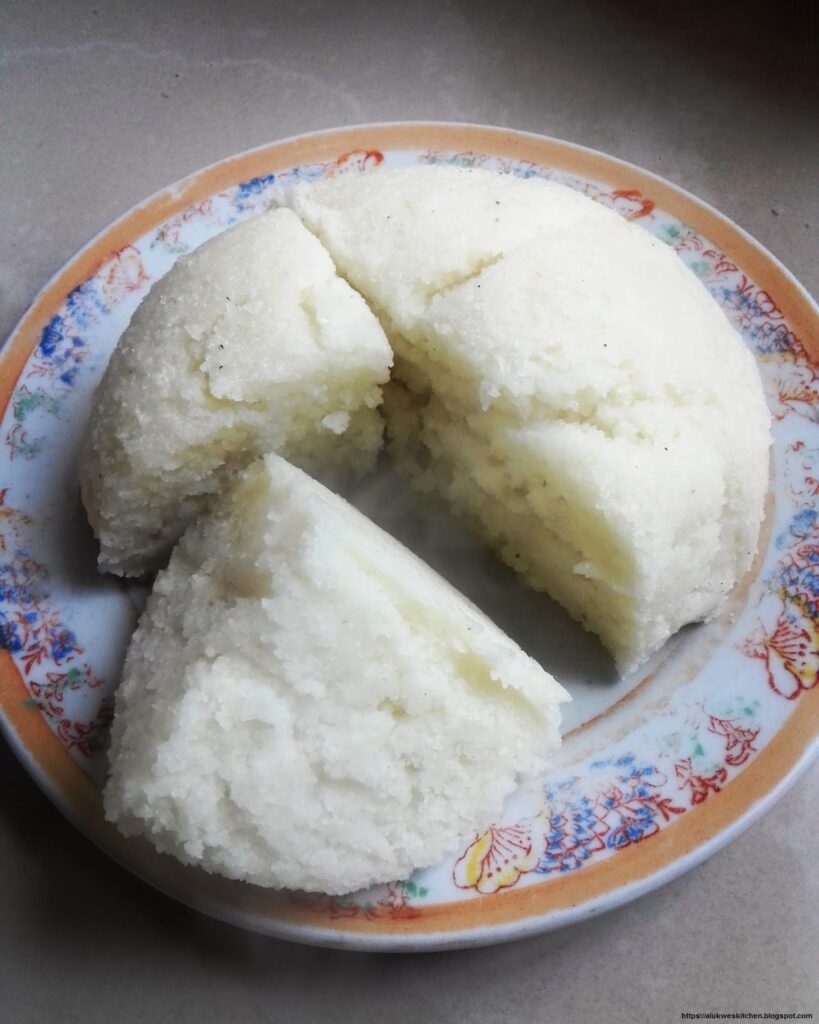
Ugali, East Africa’s no-fuss maize porridge that’s stiff as dough and scooped by hand, is simple genius, paired with nyama choma (grilled meats), sukuma wiki (collard greens), or fish stews for a meal that fuels farmers, fishermen, and festival-goers. Rooted in Swahili coastal trade (maize arrived via Portuguese in the 1500s, per “History of East African Food” by Grace Yia-Hebert), it’s Tanzania’s everyday hero, eaten thrice daily by 80% of households (2025 NBS stats).
UNESCO’s 2025 nod for sustainable grains boosted it, with #UgaliChallenge racking 300M TikTok views amid Kilimanjaro Marathon fueling stations. Maize production hit 6.5M tons in 2025 (FAO), making ugali cheap (under $1/plate) and resilient.
How to cook it: Boil 4 cups water with salt, rain in 2 cups white cornmeal (or posho flour) while whisking furiously to avoid lumps, then stir vigorously for 10-15 minutes over low heat till it pulls away from the pot like elastic dough. Kenyan ugali (ngo’ma) is softer; Tanzanian stays firm for “cutting” with a knife at the table. Serves 4; pair with tilapia in coconut stew (fry onions, tomatoes, garlic, add spiced fish and greens) or beans for vegan vibes. At 300 calories/serving, fortified maize combats micronutrient gaps (USAID programs reach 10M kids yearly), with complex carbs for sustained energy.
Variations pop: Zanzibar’s uro (coconut milk ugali) adds tropical creaminess for spice markets; Ugandan posho mixes cassava for stretch; 2026 climate twists use drought-proof millet or sorghum (per IPCC-adapted farms). Nutritionally, it’s a blank canvas, add spinach for iron (20% DV), beef for B12. Culturally massive: At Dar es Salaam’s Saba Saba rallies, vendors serve mountains to crowds; Maasai warriors swear by it pre-hunts.
Fun fact: Mt. Kilimanjaro guides pack ugali for 7-day treks, lightweight, non-perishable. Modern hacks? Microwave versions or air-fried “ugali chips.” In 2026, expect ugali tacos at Nairobi food halls and Olympic athlete diets. Humble yet heroic, it embodies East African grit, one firm scoop, and you’re part of the rhythm.
Read Also: Top 5 Young African Entrepreneurs Shaping the Future in 2026
Conclusion
These top African dishes, jollof’s fire, injera’s tang, fufu’s comfort, bobotie’s fusion, ugali’s simplicity, capture Africa’s vast flavors. In 2026, try them at festivals, home kitchens, or global spots. They’re more than meals; they’re invitations to culture, health, and community. Grab a spoon (or hand) and dive in, you won’t regret it.
Frequently Asked Questions
1. Which African dish is healthiest?
Injera with lentil wat tops for gluten-free protein and probiotics, but all pack nutrients, fufu soups for fiber, ugali for energy.
2. Can I make these vegan?
Yes! Jollof with veggies, wat sans meat, fufu with palm soup, lentil bobotie, bean ugali stews.
3. Where to try them abroad?
NYC’s Red Rooster (jollof), DC’s Etete (injera), London’s Zoe’s Ghanaian Kitchen (fufu).
4. What’s the Jollof Wars about?
Nigerian vs. Ghanaian recipes, spicier Nigeria or shrimp-y Ghana? Try both and pick a side!