African musicians have also quietly broken the molds of success. The biggest artists in Africa are no longer dependent on streams, performances, or endorsements to keep them in the limelight. They now create lasting businesses that make money even when music is not selling. Record labels, fashion, tech companies, property, energy, and other big brands have since become part of this equation.
This is occurring because fame by music does not always grant stability, and artists have learned this lesson the hard way. The idea of fame transitioning into ownership has emerged as a paradigm, and this has impacted the African entertainment sector.
However, this new dispensation did not come by chance. This came through experience. Many African artists realized how quickly trends change and how quickly the attention of the public shifts. A single song could get one into places, but it will never pay the bills without proper decisions.
Thus, instead of waiting for record companies and foreign investors to control their finances, artists opted to become their own investors. This led them to build a structure around their talent and also think like CEOs.
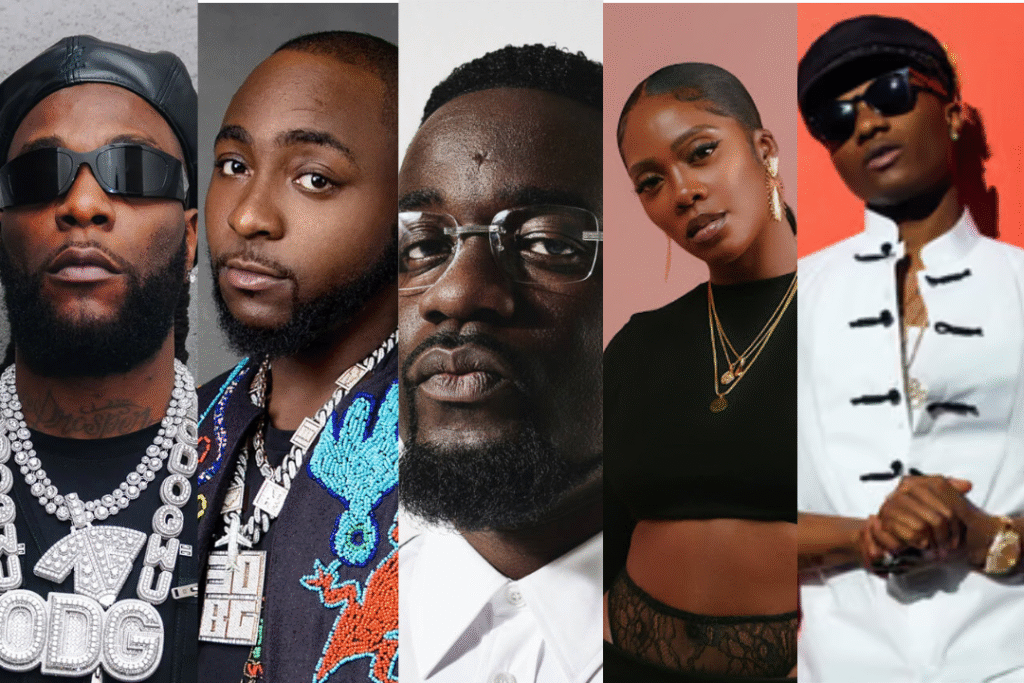
Below are five artists from Africa who can be looked at for having managed to venture into business empires from music to an incredible degree:
Take out time to read – Top 10 African Cities for Startups in 2026: Innovation Hubs to Watch
Table of contents
- Top 5 African Musicians
- 2. Wizkid – Starboy Expanding His Portfolio into Fashion and Blockchain
- 3. Davido: Afrobeats Sensation to Food Processing Entrepreneur
- 4. Sarkodie: Ghanaian Rapper Constructs a Real Estate and Consumer Goods Empire
- 5. Tiwa Savage: Afrobeats Icon Dominates Beauty and Media
- Economic Impact and Strategic Insights
- Key Lessons for Emerging Entrepreneurs
- Conclusion
- Frequently Asked Questions
Top 5 African Musicians
1. Burna Boy: Grammy Winner Diversifies into Premium Spirits
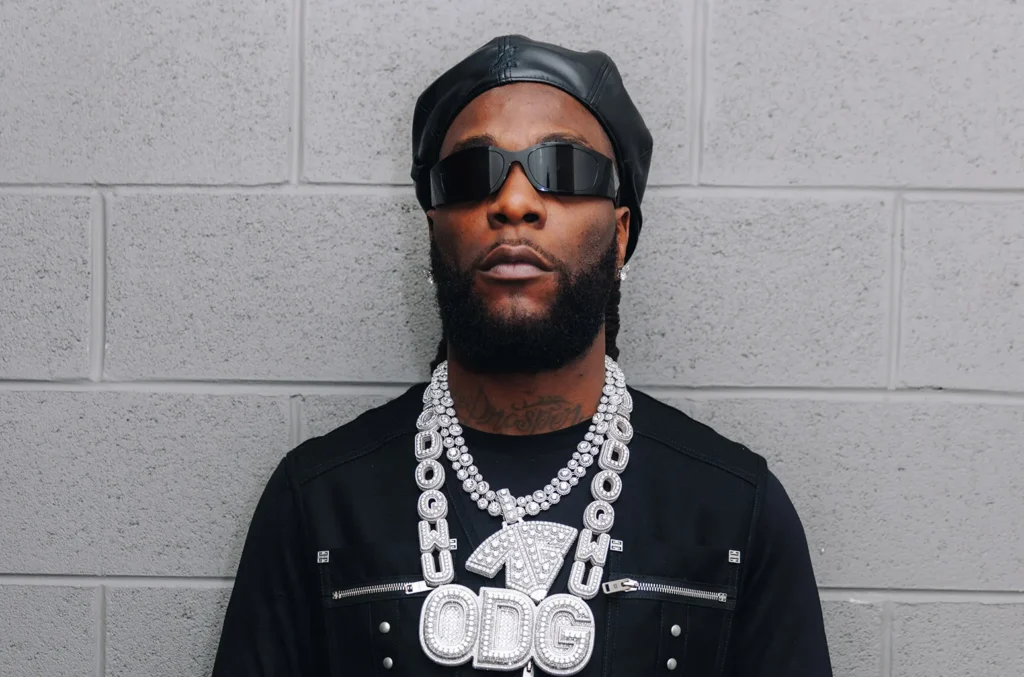
Burna Boy is a Nigerian Afro-fusion musician known for releasing the Grammy-winning album “Twice as Tall.” The artist has been using his international success to invest in the beverage sector. In 2023, Burna Boy created “Odogwu Bitters and Rum,” a high-class alcohol brand with a touch of traditional Nigerian herbs. The brand has been a success with a price range of ₦5,000-₦10,000 on Jumia and other online marketplaces with high sales in Nigeria, the UK, and the US.
Its appeal is in its cultural authenticity; it appeals to Burna Boy’s fans, who are young professionals who appreciate African culture. Initial projections show millions of revenue streams, partly fueled by new product lines in RTD packages set to roll out in 2026. Burna Boy has a record label in his record label company called Spaceship Entertainment, under which he nurtures up-and-coming artists in the genre of Afrobeats.
This diversification represents how African artists who are expanding their business empires leverage personal brands. Burna Boy’s experience from being a grassroots artist to a global icon proves that authenticity and scalability are crucial issues within competitive environments.
2. Wizkid – Starboy Expanding His Portfolio into Fashion and Blockchain
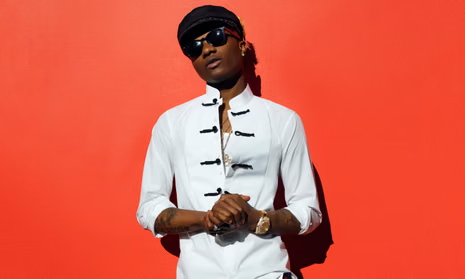
Wizkid, the face of modern Afrobeats and a fan favorite with tracks such as “Ojuelegba,” has transformed his platform, Starboy Entertainment, into a conglomerate. His label, which includes artists Terri and Blaq Jerzee, earns significant streaming royalties on platforms such as Spotify and Apple Music.
Wizkid’s entrepreneurial endeavors also include Starboy Apparel, a streetwear line inspired by Yoruba patterns, sold for ₦20,000 each, accessed through an Instagram shopping service or e-commerce platform. In 2024, he also ventured into the world of cryptocurrencies, launching Starboy Coin, an NFT project associated with visuals of one of his tours, allowing fans to buy them for $50.
Other investments are upscale property holdings in Banana Island and the Lekki areas of Lagos, along with the Starboy Eau de Parfum perfume range that costs ₦15,000 and is a result of his cultural heritage affiliation. Wizkid’s business model proves the lucrative benefits of branching out right away to leverage stardom for a steady and ongoing income stream for musicians in Africa to expand their empire holdings.
Don’t miss out to read – Top 5 Influential African Business Leaders Shaping Africa’s Future
3. Davido: Afrobeats Sensation to Food Processing Entrepreneur
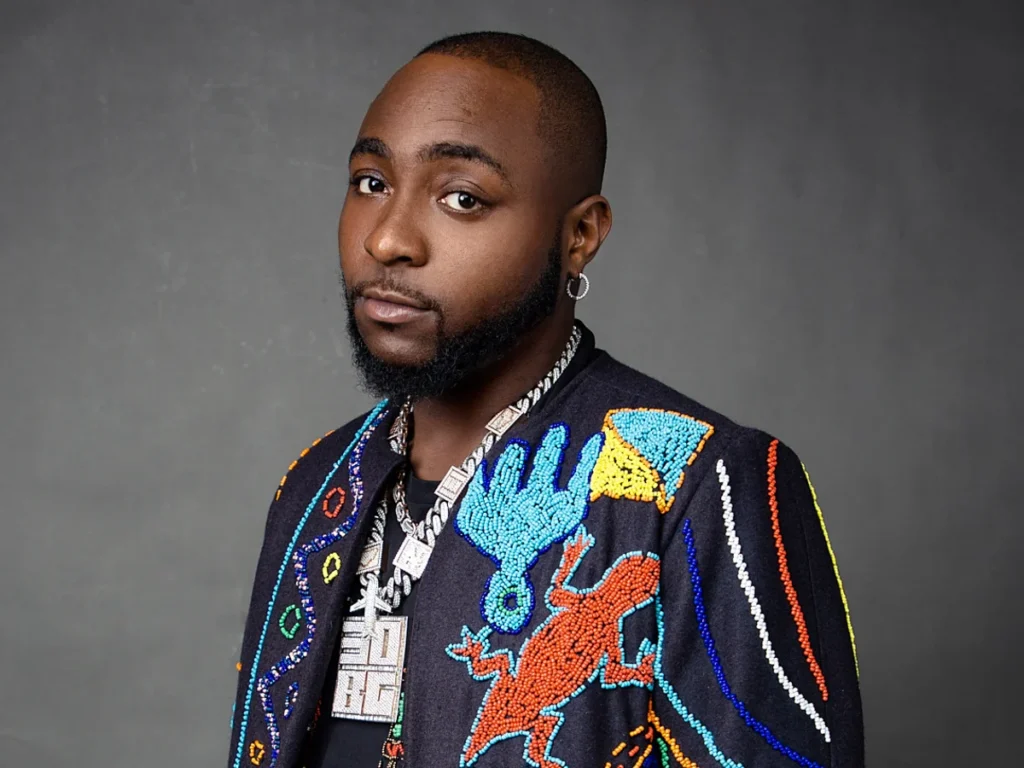
With his breakthrough song Dami Duro, introducing the world to Afrobeats, he chose to use his influence in the industry to create 30 BG, a record company and lifestyle brand that houses the likes of Mayorkun.
One of the flagship businesses is Wingtai Food Processing in Osun State, which deals in processed rice, garri, and spices. They target the N100 billion food industry in Nigeria in 2027 and offer it on the Jumia online platform for between ₦2,000 and ₦5,000. They also intend to export to West Africa. Davido featured in a 2024 PUMA deal that produced sneakers that sold above 50,000 pairs.
He also has investments in “Patricia, which is a cryptocurrency exchange site, and the “30BG Records” app that was developed for merchandising and online events. Looking at Davido’s investment portfolio shows the ability of African artists to expand business empires to mix “entertainment with the provision of essential and technological services.”
4. Sarkodie: Ghanaian Rapper Constructs a Real Estate and Consumer Goods Empire

Sarkodie, Ghana’s most popular rapper, known for “You Go Kill Me,” has built a major label, SarkCess Music, which is a dominant outfit in Ghana’s $100 million annual music industry, signing artists like Black Sherif.
His line for Sarkodie Clothing uses Adinkra symbols and sells for ₦10,000-₦25,000. Real estate is a significant area with properties located in East Legon featuring a boutique hotel that operates well due to Rapperholic performances held every year.
Sarkodie is an ambassador for MTN in Ghana, as well as having founded a new energy drink brand, “Sark Energy Drinks,” to be launched in 2025, targeting Nigeria.His biography, “The Rise of Michael Owusu Addo,” has become a best-seller, adding another income stream from his inspirational life experiences. Sarkodie’s approach teaches African artists about leveraging assets, creating an African blueprint for expansion of their business empires.
5. Tiwa Savage: Afrobeats Icon Dominates Beauty and Media
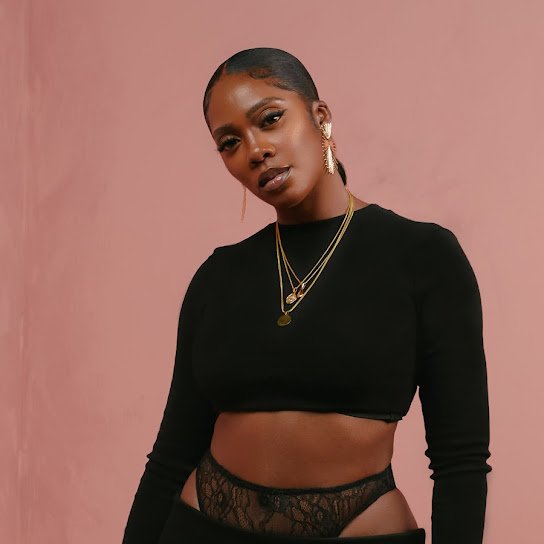
Tiwa Savage is a stalwart of the Afrobeats industry since “Kele Kele Love” and has created entrepreneurial ventures around the ideas of empowerment and consumer goods. Her lingerie business retails for ₦8,000 to ₦20,000 on her site, as well as on Konga
In 2024, she launched Savage Beauty, a skincare line featuring shea butter and African botanical ingredients, reportedly raking in ₦3 billion sales turnover, followed by an entry into the haircare segment. She also executive-produced Water & Garri, a Netflix original film, increasing her exposure in the media network, in addition to an investment in a Lagos sports chain.
Her success points to a business area where African musicians can explore further, especially when considering expanding their business empires.
You might find this interesting to read – Top 5 African Social Entrepreneurs Creating Sustainable Change in 2026
Economic Impact and Strategic Insights
These artists contribute to Africa’s $4.2 billion creative economy, per UNESCO data, with music as a primary driver. Their ventures create jobs, boost exports, and inspire youth entrepreneurship amid challenges like Nigeria’s 30% inflation.
| Musician | Key Ventures | Estimated Impact |
| Burna Boy | Odogwu Rum, Spaceship Ent. | Millions in sales, global exports |
| Wizkid | Apparel, Crypto NFTs | 50K+ units sold, property gains |
| Davido | Wingtai Foods, PUMA | Food sector entry, tech equity |
| Sarkodie | Clothing, Real Estate | Hotel revenue, drink launches |
| Tiwa Savage | Skincare, Film Production | ₦3B beauty sales, media reach |
Key Lessons for Emerging Entrepreneurs
Success stems from personal branding via social media, strategic partnerships, and diversification.
With Africa’s 500 million internet users projected by 2025, digital platforms amplify reach. Aspiring creators should prioritize audience insights, scalable products, and community impact.
African musicians expanding their business empires prove that artistic talent, paired with business acumen, unlocks continental opportunities.
Conclusion
African artists are proving that success is not the end point when it comes to fame. Through the development of record labels, brands, and investments, African artists are converting creativity into ownership. This reflects the awareness they have concerning the rate at which the music sector can shift.
The strength of this movement, however, is that it transcends the artists themselves. Their business endeavors create employment, boost the youth, and demonstrate how Africans can compete and dominate internationally with their talent. Music may open doors, but it takes smart business choices to keep these doors open and ensure a lasting legacy in the industry.
Frequently Asked Questions
Music income can be unpredictable. Streams fluctuate, trends change, and touring isn’t always guaranteed. Many African musicians invest in businesses to create steady income, protect their future, and build wealth that lasts beyond hit songs.
In most instances, they help to strengthen them. Business ownership allows artists to create freely, have control of their work, and have stability to create artistic work.
When African artists develop an industry of their own, it provides employment opportunities and also impacts the perception of African innovation in the global arena in a positive manner.
Wizkid tops the list with active investment presence in five industry categories: the music industry (Starboy Ent.), fashion (Apparel), the cryptocurrency market or NFT segment (Starboy Coin), the realty industry (properties in Lagos), and the fragrances industry