
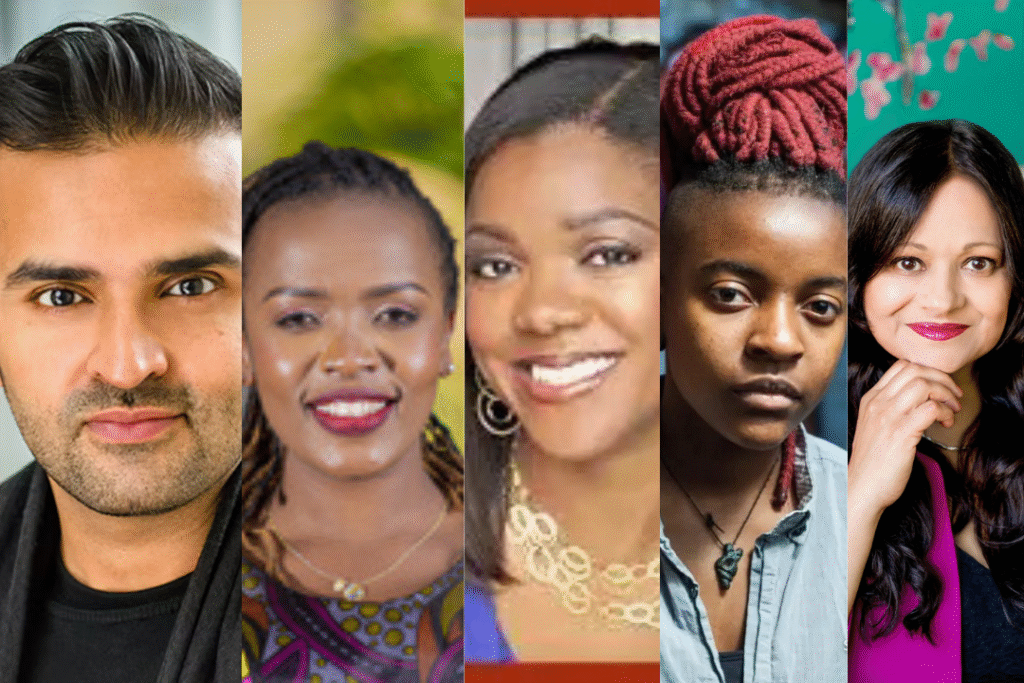
African social entrepreneurs are stepping up to tackle some of the continent’s toughest problems, from gaps in healthcare and education to poverty and environmental challenges. With creativity, collaboration, and relentless commitment, they are turning ideas into real, positive change.
By combining technology, community engagement, and market-driven strategies, these innovators are building solutions that are both scalable and sustainable. They address issues like poor access to quality healthcare, underfunded education, and environmental damage with approaches that can grow and endure.
Their efforts go beyond immediate fixes; they improve livelihoods, strengthen communities, and help create a fairer, more resilient, and thriving Africa.
Through bold ideas and innovative models, these social entrepreneurs are proving that lasting impact is possible, one solution at a time.
This list of some of the brightest and most influential young entrepreneurs who are literally defining the future for Africa in 2026. Now let’s talk about how they’re connecting with people and making change tangible, inspiring, and possible.
Table of contents
- Top 5 African Social Entrepreneurs
- 1. Ashish J. Thakkar — Founder, Mara Foundation (Uganda)
- 2. Njideka Harry — President and CEO, Youth for Africa Technology Foundation (YTF) (Nigeria)
- 3. Dr. Catherine Nyambura, Founder of Medics Healthcare Foundation (Kenya)
- 4. Ellen Chilemba Tiwale — Founder, Tiwale (Malawi)
- 5. Sindy Kaur — Founder, Project Dignity (South Africa)
- Why These Social Entrepreneurs Are Standing Out in 2026
- The Ripples Across Africa
- How Their Work Shapes the Future
- Conclusion
- FAQs on African Social Entrepreneurs Creating Sustainable Change
Top 5 African Social Entrepreneurs
1. Ashish J. Thakkar — Founder, Mara Foundation (Uganda)
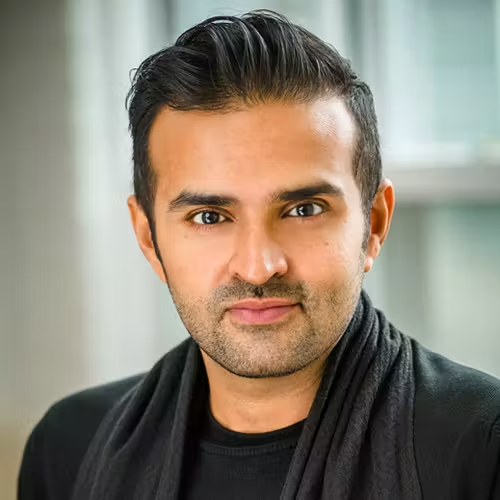
Ashish J. Thakkar is a Ugandan social entrepreneur who has committed his work to supporting the next generation of young people with big ideas but limited opportunities. He designed the Mara Foundation to provide young entrepreneurs from all over Africa with mentorship, training, and early funding. It is often the case that such young innovators need only someone to show them the way, and Ashish has built just such a platform.
The foundation focuses on practical skills that help young Africans establish and expand sustainable businesses. The support ranges from business development training to mentorship from experienced professionals. These changes go way beyond mere personal success stories, strengthening communities and creating new jobs in places where options are often very limited.
The Mara Foundation will have provided support to thousands of young entrepreneurs across different African countries. Many have moved on to create businesses that solve real community problems, thereby creating long-term economic value. Ashish’s work is building a future wherein African youth can lead, innovate, and shape their own paths.
2. Njideka Harry — President and CEO, Youth for Africa Technology Foundation (YTF) (Nigeria)

Njideka Harry is a social entrepreneur from Nigeria and the leader of the Youth for Africa Technology Foundation, an organization that deploys technology for the empowerment of youths and women in developing countries. She was an Ashoka Fellow, and she had been announced as the Social Entrepreneur of the Year at the Schwab Foundation and the World Economic Forum.
YTF imparts business training, financial inclusion programs, and technology education that enable young people and women to have sustainable livelihoods. Programs such as the 3D Printing Academy for Girls teach practical skills while encouraging entrepreneurship as a career choice.
Njideka is motivated by the desire for long-term change, and she believes social entrepreneurship involves creating real impact with integrity and persistence. Her work awakens young Africans to harness technology as a tool for changing their communities and lives.
3. Dr. Catherine Nyambura, Founder of Medics Healthcare Foundation (Kenya)
Dr. Catherine Nyambura is a Kenyan social entrepreneur; throughout her career, she has dedicated herself to the promotion of health access for underprivileged communities. She founded the Medics Healthcare Foundation to provide affordable medical services, supplies, and education to rural populations. Most people in these areas find it very difficult to reach clinics or get proper care, and Dr. Nyambura provided a system right at the heart of such challenges.
This foundation focuses its investments on practical solutions to keep communities healthier. The services include mobile clinics, health education, and outreach programs that also train locals in handling basic healthcare needs. The impact is greater than on individual patients: Entire communities learn, consistent care for families, and strengthening the local health system.
Through the Medics Healthcare Foundation, Nyambura has reached thousands of people throughout the country. Communities have more regular access to health care now, have fewer preventable ailments, and are stronger overall in their well-being. Dr. Nyambura’s work aspires to bring about a society in which good health ceases to be a privilege for the few but rather a right entitled to all Kenyans.
4. Ellen Chilemba Tiwale — Founder, Tiwale (Malawi)
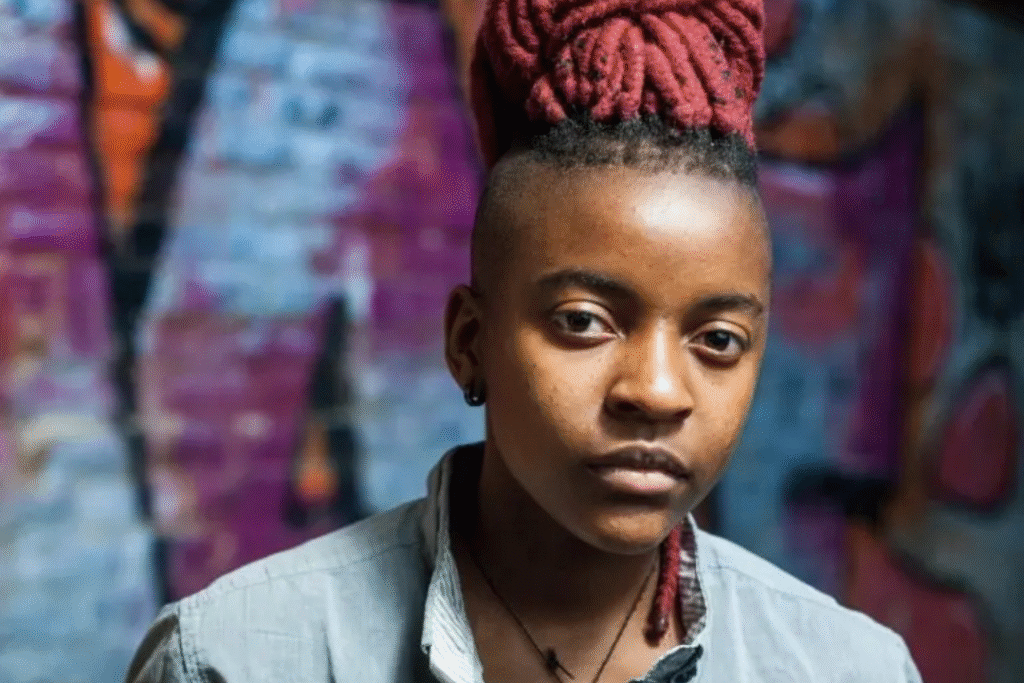
Her name, Ellen Chilemba Tiwale, translated to Chichewa, literally means “let us shine or glow. She is a Malawian social entrepreneur who focuses on the empowerment of women and girls. She founded Tiwale to provide access to education, entrepreneurial training, and economic opportunity for women in her community.
The organization started with a business workshop for 40 women and expanded into vocational training in fashion design, sewing, and tie-dye. Tiwale also provides microloans to women looking to start or grow sustainable ventures that transform communities and lift families out of poverty.
Her work is underlined by a passion for social entrepreneurship and creating ripples of sustainable impact. In recognition of her influence and commitment to empowering women, Forbes included her in the 30 under 30 list of Africa’s most promising social entrepreneurs in 2015.
5. Sindy Kaur — Founder, Project Dignity (South Africa)
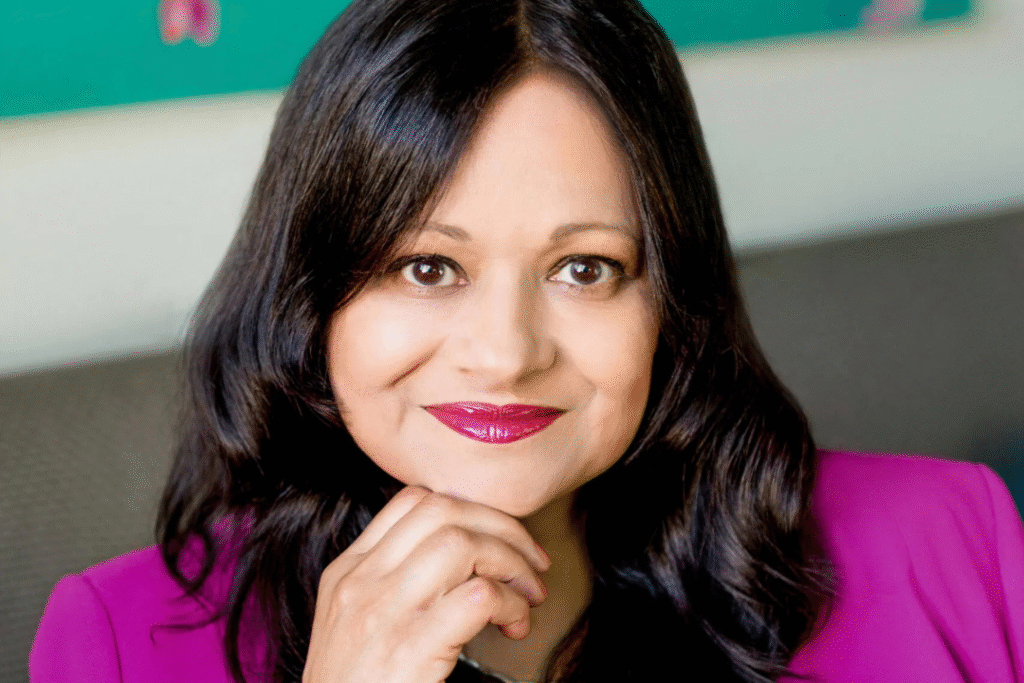
Sindy Kaur is a South African social entrepreneur who has rapidly become one of the strongest voices for girls’ education and dignity. It was after seeing the shocking number of girls in rural communities missing school simply because they could not afford sanitary products that she created Project Dignity. It was a quiet problem that caused long-term setbacks, and she decided to change that.
Project Dignity provides reusable sanitary pads in addition to offering basic education on menstrual health. The support is simple yet powerful. Girls remain at school and grow in confidence. Teachers are no longer concerned about losing some of the bright students every month. Parents, too, are relieved because they no longer have to struggle to provide products that are mostly too expensive.
By 2026, Sindy’s work will have reached thousands of girls throughout several provinces in South Africa, attendance will have greatly improved, and many schools have already begun to make her program part of the community support system. She is creating a future wherein no girl has to choose between her education and her dignity. As her reach grows-one school at a time-so does her impact.
Why These Social Entrepreneurs Are Standing Out in 2026
There are literally thousands of innovators doing amazing work in Africa, but these five stand out because of their ability to scale, sustain, and stay rooted in real community needs. Their solutions feel practical, not theoretical. The impact is visible. Families experience the change daily.
In 2026, sustainability will go center stage in the world, not only environmental but also social. In Africa, these entrepreneurs represent what can be achieved when creativity meets purpose.
The work they put in touches major pain points:
- Waste management and climate change resilient system
- Access to rural healthcare
- Empowerment of women through agriculture
- Inclusion of the youth in digital.
- Energy Poverty in Remote Areas
These are not small challenges. Their resolution requires heart and persistence. That is why these entrepreneurs count: They don’t just create businesses; they build hope.
The Ripples Across Africa
Each of these founders started with a tiny idea, something personal. Today, they have created ripple effects far beyond their communities.
Children learn to recycle. Farmers make more money. Women own land. Teenagers join the global tech space. Villages have solar-powered nights. Real wins.
And, the beautiful thing? Their success inspires others to start their own social enterprises. Young Africans now know what is possible and can thus know that they can do even better.
This is how a continent changes story by story, village by village, entrepreneur by entrepreneur.
How Their Work Shapes the Future
A different future for Africa exists because people like Temilade, Kwabena, Lindiwe, Brian, and Aisha are making a difference. They are building new systems and not waiting for the old ones to change. Their models can be replicated. Their methods can be taught. Also, their results speak loudly.
By 2030, we might look back to 2026 as the year African social entrepreneurship became unstoppable; the year the spotlight found its way to ordinary people doing extraordinary work.
Conclusion
The rise of African social entrepreneurs in 2026 is more than a trend; it’s a strong shift in how the solution of problems is taking place on the continent. These five innovators truly show that sustainable change does not often come from big institutions; rather, it comes from ordinary people who simply refuse to ignore the needs around them.
They’re changing the game. Their stories are a true inspiration to many. Their work is helping build the Africa that many of us dream about-an Africa where opportunity isn’t limited by location, gender, or background.
If you have ever wondered whether a single idea can change a community, then these entrepreneurs will answer that question. Their journeys remind us that transformation starts with one step, one brave decision, and a heart that really wants things to get better.
FAQs on African Social Entrepreneurs Creating Sustainable Change
While regular entrepreneurs have their main focus on profit, African social entrepreneurs solve community problems while running commercially viable businesses. It is impact first, then income. They build solutions to improve livelihoods in education, health, energy, agriculture, and technology.
Yes, but their purpose is different. They reinvest a vast percentage of their earnings towards their mission. The business has to survive, but the impact remains the priority. Many of them run hybrid models, which indeed blend profits with social good.
Start small: identify one problem around you and create a simple solution. You don’t need massive funding at first; you need empathy, creativity, and consistency. Join social innovation hubs, mentorship programs, or youth entrepreneurship platforms to grow your idea.
It can make quite a big difference: social enterprises often employ people where they are, providing youth with training. They also create new industries, especially in tech, green energy, and agriculture.