
How the Serenità Foundation Is Connecting Ecology, Public Health, and Youth Empowerment Across Nigeria.
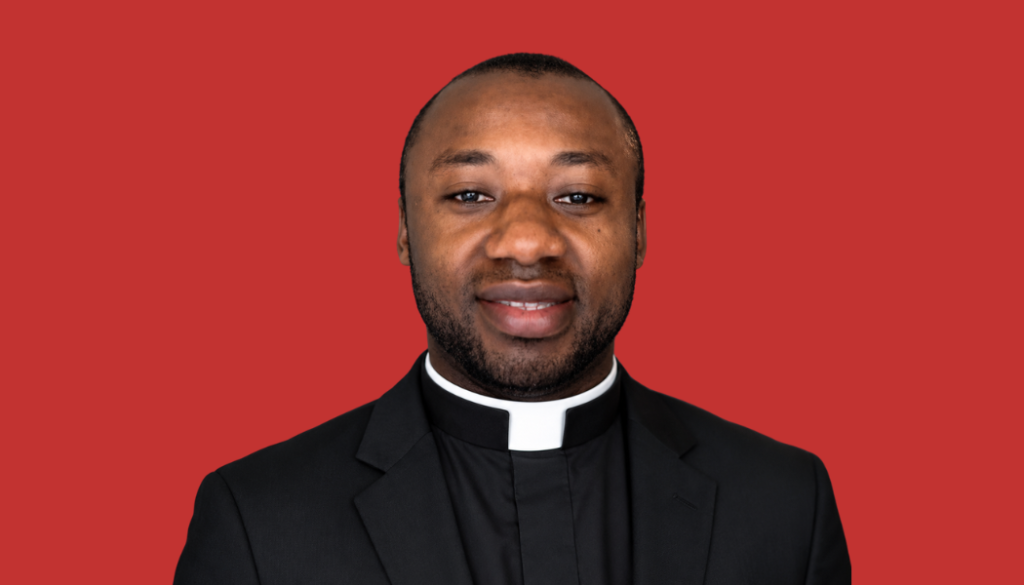
When the judging panel for the Africa Innovators International Awards 2024 reviewed nominees for the Social Impact Excellence Award category, one theme consistently stood out in the work of Rev. Fr. Dr. Justin Chukwunonso Nzekwe: the ability to transform research, faith, and community engagement into measurable social impact.
From a competitive field of nine nominees, Rev. Fr. Dr. Justin Chukwunonso Nzekwe emerged as one of the top three honorees in the category, recognized for building a community-centered model that connects environmental responsibility with healthcare awareness, youth leadership, and sustainable development.
His work through the Serenità Foundation has become a growing force for ecological education and public health advocacy in Nigeria, particularly among young people and underserved communities. Through school outreach programs, sanitation campaigns, environmental education workshops, and faith-based community initiatives, the foundation continues to address the direct relationship between environmental neglect and human well-being.
For the award committee, his recognition was not based on symbolism or visibility alone. It reflected measurable community engagement, long-term sustainability efforts, educational impact, and a practical approach to social transformation.
At a time when conversations around climate change and public health are becoming increasingly urgent across Africa, Fr. Nzekwe’s work offers a model that is both locally grounded and globally relevant.
A Scholar, Priest, and Social Innovator
Rev. Fr. Dr. Justin Chukwunonso Nzekwe’s journey into ecological and healthcare-centered advocacy began within the world of theology and ethics.
A Catholic priest and researcher, he pursued advanced academic studies at the Pontificia Università della Santa Croce in Rome, where he completed both his master’s and doctoral studies with a specialization in moral theology. His academic research focused on the moral responsibility of caring for creation and the growing relationship between environmental degradation, disease, poverty, sanitation, and social instability.
Rather than treating ecology as a distant environmental concern, his work explored how poor environmental conditions directly affect human dignity and healthcare outcomes, especially in vulnerable communities.
His studies examined critical realities affecting many African communities: contaminated water sources, air pollution, flooding, poor sanitation systems, food insecurity, and climate-related health risks. He also researched how faith institutions can become effective platforms for environmental education and sustainable community transformation.
Beyond theology, Fr. Nzekwe expanded his academic interests into climate and healthcare studies. He completed programs in Integral Ecology and climate-health education, strengthening his interdisciplinary understanding of how environmental conditions shape public health systems and everyday community life.
His scholarly contributions further reinforced this direction. Through peer-reviewed academic publications, he explored themes such as environmental accountability within healthcare systems, climate-related disease patterns, bioethics, air quality, respiratory health, and the moral dimensions of ecological responsibility.
But while his research gained academic recognition, he believed its real value would only emerge if it could improve lives beyond university circles.
That conviction would eventually lead to the creation of the Serenità Foundation.
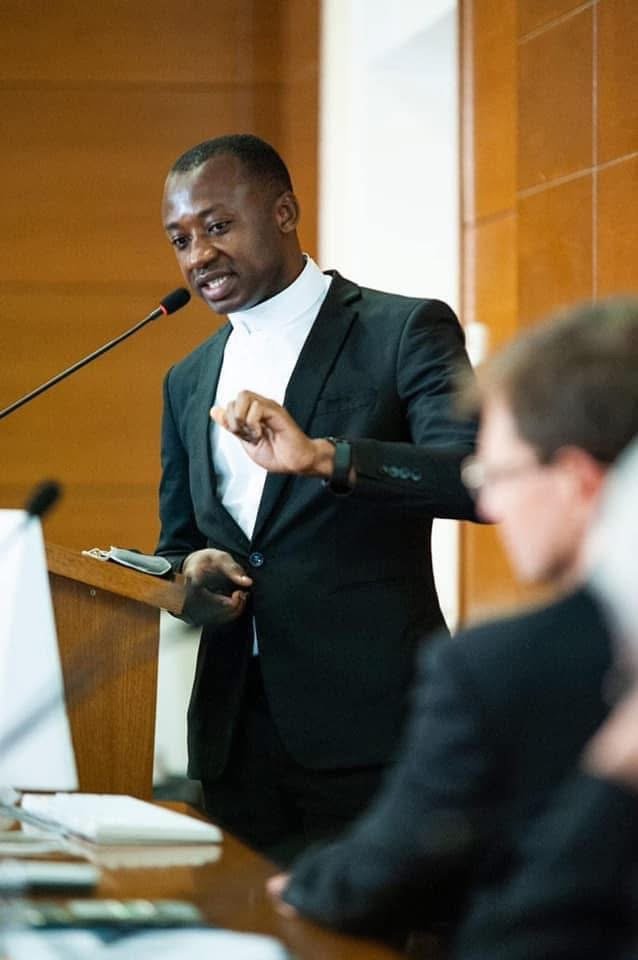
The Birth of the Serenità Foundation
The Serenità Foundation was established as a practical response to the realities Fr. Nzekwe encountered through both research and community engagement.
The organization was built on a simple but powerful principle: environmental sustainability is not only an ecological concern, it is also a healthcare and human development issue.
In many communities, environmental neglect contributes directly to illness, unsafe living conditions, poor sanitation, and economic hardship. Flooded streets increase disease risks. Poor waste disposal contaminates water systems. Air pollution contributes to respiratory complications. Erosion and deforestation weaken livelihoods and increase social vulnerability.
The Serenità Foundation was created to address these interconnected challenges through education, awareness, mentorship, and community action.
Its mission combines ecological responsibility with healthcare education, youth empowerment, sanitation awareness, and sustainable living practices. Rather than relying solely on short-term interventions, the foundation focuses on long-term behavioral change and grassroots education.
Through seminars, workshops, public campaigns, and school outreach initiatives, Serenità helps communities understand the direct relationship between environmental conditions and human health.
This approach has allowed the organization to operate at the intersection of sustainability, public health, and community development.
Raising a New Generation of Environmentally Conscious Leaders
One of the foundation’s strongest areas of impact has been youth formation and leadership development.
Across schools and youth-centered programs, the Serenità Foundation introduces young people to conversations around climate change, sanitation, environmental health risks, and sustainable living. But beyond theory, the programs emphasize practical responsibility.
Students are taught recycling practices, tree planting, proper waste disposal, environmental sanitation, and community hygiene awareness. They also learn how environmental degradation contributes to waterborne diseases, respiratory infections, malnutrition, and other healthcare challenges.
By connecting environmental awareness with everyday health realities, the foundation helps young people see sustainability not as an abstract global issue, but as something directly connected to the well-being of their families and communities.
This educational model has created lasting grassroots influence.
Many participants have gone on to organize sanitation projects, environmental awareness drives, and community clean-up campaigns within their schools and neighborhoods. Others have become active advocates for healthier and more sustainable living practices.
For Fr. Nzekwe, youth empowerment is central to long-term transformation.
“Environmental care and human well-being are deeply connected. Communities become healthier when people understand that protecting the environment also means protecting human life.”
That philosophy continues to shape the foundation’s outreach strategy.
Community Transformation Through Ecological Awareness
Beyond schools and youth mentorship programs, the Serenità Foundation has also expanded its work into wider community engagement initiatives.
Through public workshops and awareness campaigns, the organization addresses pressing environmental challenges affecting local communities, including flooding, erosion, deforestation, pollution, and improper waste management.
These issues are often discussed primarily as environmental problems. Serenità approaches them differently by highlighting their healthcare implications.
Communities participating in the foundation’s programs are educated on how poor sanitation contributes to disease outbreaks, how polluted environments affect respiratory health, and how environmental neglect places additional strain on already challenged healthcare systems.
The result is a more practical understanding of sustainability.
Rather than presenting environmental advocacy as a distant policy conversation, the foundation connects it directly to daily survival, healthcare costs, hygiene, and community well-being.
In several outreach areas, these initiatives have contributed to improved sanitation awareness, safer waste disposal habits, and stronger community participation in environmental health activities.
This grassroots approach remains one of the defining strengths of the organization.
Where Faith and Sustainability Meet
A defining feature of Rev. Fr. Dr. Justin Chukwunonso Nzekwe’s work is the integration of faith with ecological and healthcare advocacy.
In many African communities, religious institutions remain among the most trusted social structures. Churches often serve as centers for education, moral guidance, and community mobilization.
Recognizing this influence, Fr. Nzekwe developed a model that encourages churches and faith communities to become active participants in environmental responsibility and public health awareness.
Through collaborations with parishes and religious communities, the Serenità Foundation promotes environmentally responsible practices while presenting care for creation as both a spiritual responsibility and a human-centered moral obligation.
This framework has helped communities better understand that protecting the environment is closely connected to protecting human life, especially among vulnerable populations affected by poor sanitation, disease risks, and environmental instability.
It has also created a more culturally grounded approach to sustainability education.
Rather than separating faith from social development, Fr. Nzekwe’s work demonstrates how moral leadership and community action can work together to promote healthier and more sustainable societies.
Why He Won the Social Impact Excellence Award 2024
The Africa Innovators International Awards recognizes individuals whose work demonstrates measurable impact, innovation, sustainability, and meaningful community influence.
For the judging panel, Rev. Fr. Dr. Justin Chukwunonso Nzekwe’s work through the Serenità Foundation reflected all four.
His initiatives stood out for their ability to bridge multiple sectors that are often treated separately: theology, ecology, healthcare awareness, sanitation education, youth leadership, and sustainable community development.
The committee also recognized the long-term relevance of his work.
Across Africa, environmental decline is increasingly linked to healthcare challenges, food insecurity, poverty, and social instability. Fr. Nzekwe’s work directly addresses these realities through education-driven and community-centered interventions.
Another major factor in his recognition was sustainability.
Rather than focusing on temporary visibility, the Serenità Foundation emphasizes long-term awareness, behavioral change, and youth empowerment. Its programs are designed to create local ownership and encourage communities to participate actively in protecting their environments and improving public health conditions.
The award also acknowledges the uniqueness of his model.
Few social impact initiatives successfully combine faith-based advocacy, healthcare education, ecological responsibility, and youth leadership into one integrated framework. Through the Serenità Foundation, Fr. Nzekwe has demonstrated how scholarship, moral leadership, and grassroots action can work together to produce meaningful social transformation.
“Care for the environment is ultimately care for people. Sustainable communities are built when health, dignity, and ecological responsibility are treated as connected priorities.”
A Model for Africa’s Future
As African communities continue to confront growing environmental and healthcare pressures, the relevance of Rev. Fr. Dr. Justin Chukwunonso Nzekwe’s work continues to expand.
Issues such as pollution, poor sanitation, flooding, waste management, climate-related health risks, and environmental degradation are no longer isolated concerns. They increasingly shape economic stability, healthcare systems, education, and community well-being.
Through the Serenità Foundation, Fr. Nzekwe has helped demonstrate that lasting social impact requires more than awareness campaigns alone. It requires education, grassroots participation, ethical responsibility, and long-term community engagement.
His work presents a practical model for sustainable development, one that connects environmental stewardship with healthcare advocacy, youth empowerment, and moral leadership.
That model has become increasingly important in communities where environmental challenges are often treated separately from healthcare conversations. By helping people understand the direct relationship between cleaner environments and healthier lives, the Serenità Foundation has created a framework that communities can adapt, sustain, and grow.
Beyond environmental education itself, the foundation’s broader influence lies in the mindset it is helping to cultivate among young people. Through mentorship and leadership development initiatives, many participants are learning to view social responsibility not as a distant ideal, but as an active commitment to improving the spaces where they live.
This generational impact may ultimately become one of the foundation’s most enduring contributions.
At a time when Africa is searching for sustainable approaches to development, healthcare resilience, and community transformation, Fr. Nzekwe’s work demonstrates the importance of locally rooted solutions driven by education, ethical leadership, and grassroots participation.
His approach also challenges long-standing assumptions about the role of faith institutions in social development. Rather than limiting religious engagement to spiritual guidance alone, his work shows how churches and faith communities can become active partners in public health education, environmental awareness, and sustainable social action.
This balance between scholarship, faith, and community engagement is what continues to distinguish his contribution.
The Social Impact Excellence Award 2024 recognizes more than a single initiative. It recognizes a growing body of work dedicated to improving lives through ecological awareness, healthcare advocacy, youth empowerment, and sustainable development.
For the Africa Innovators International Awards, honoring Rev. Fr. Dr. Justin Chukwunonso Nzekwe reflects the increasing importance of leaders who can bridge research with practical action and transform ideas into measurable community impact.
Through the Serenità Foundation, he continues to advance a vision rooted in responsibility, human dignity, and long-term social well-being.
And in a continent where environmental and healthcare challenges continue to shape everyday life, that work is becoming more necessary with every passing year.